Podcast Episodes
Back to Search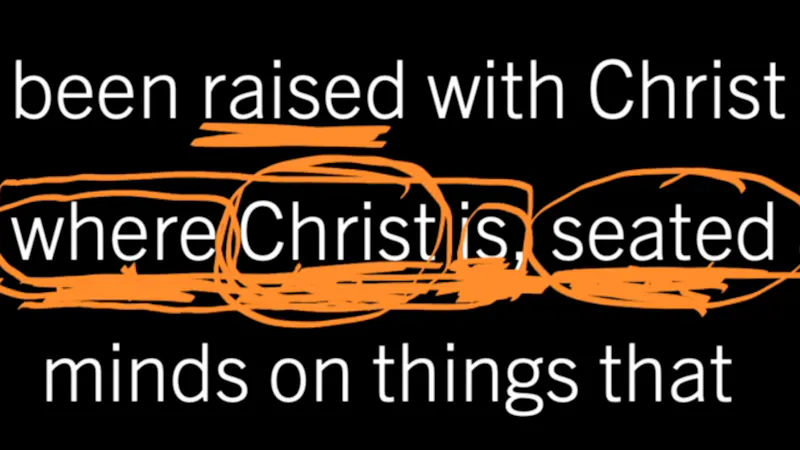
Seated at the Right Hand of God: Colossians 3:1–4, Part 4
Why is it significant that Jesus sits at the right hand of God? Exult in the current physical location of Christ.
3 years, 1 month ago

Christian, You Have Been Raised! Colossians 3:1–4, Part 3
Satan entices us to believe that our sin defines us. How does unity with Christ forever change the way we battle that lie?
3 years, 1 month ago
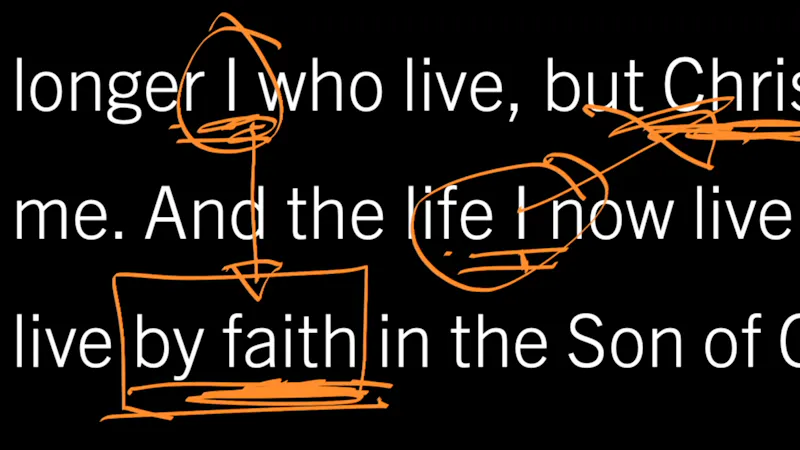
Christian, You Are Dead! Colossians 3:1–4, Part 2
Death precedes true life. Christ exemplifies this, and we follow in his footsteps. How should this change how we live?
3 years, 1 month ago
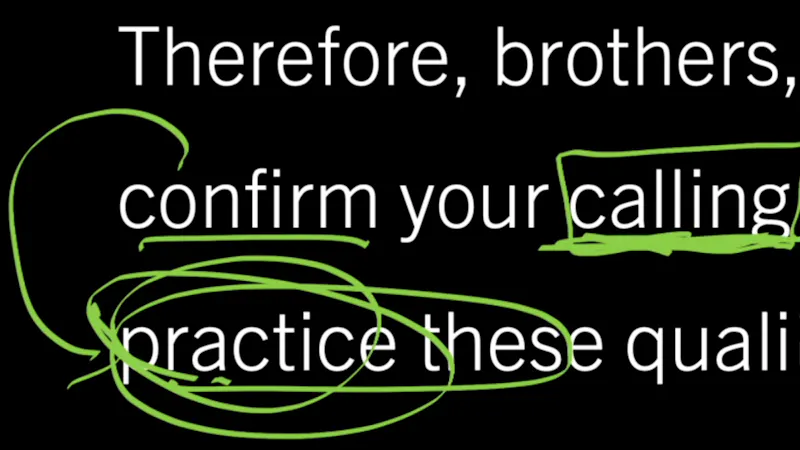
Obedience Confirms Our Resurrection: Colossians 3:1–4, Part 1
Christ calls his disciples to be doers of the word, not hearers only. How does our union with Christ relate to obeying his commands?
3 years, 1 month ago
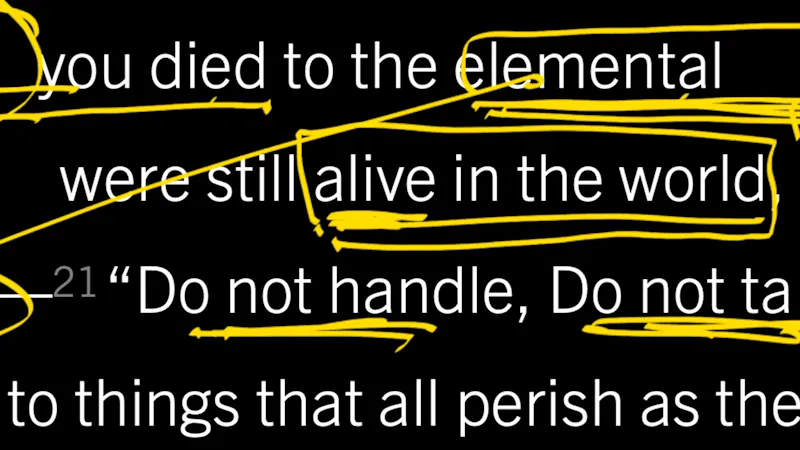
Self-Made Religion Is Useless: Colossians 2:20–23
Christians have died to man-made worship and any religious effort that would try to commend them to God apart from Christ.
3 years, 1 month ago
Why We Do Not Worship Angels: Colossians 2:18–19
God has provided one Mediator between God and man, and he is far greater than any heavenly or fallen angel.
3 years, 1 month ago
Shadows of Christ, the Substance: Colossians 2:16–17
If Christianity is rooted in the Old Testament, why are Christians not keeping so much of what God commanded there?
3 years, 1 month ago
How Did the Cross Defeat Satan? Colossians 2:13–15, Part 5
Through his crucifixion, Christ silenced the accuser, nullified the terror of death, and delivered sinners from the dominion of sin.
3 years, 1 month ago
Can the Innocent Die for the Guilty? Colossians 2:13–15, Part 4
Does it satisfy the standards of God’s justice for an innocent one to die for the guilty?
3 years, 1 month ago
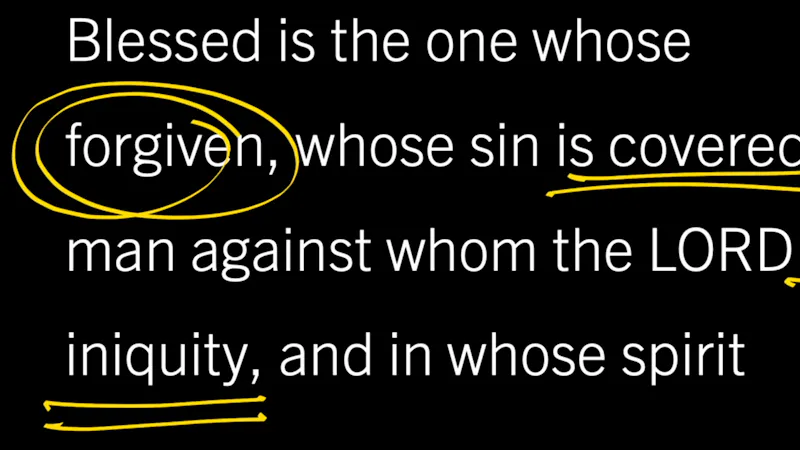
The Gospel: Salvation by Substitution: Colossians 2:13–15, Part 3
God obliterates our record of debt by nailing it to the cross through the substitutionary death of Christ.
3 years, 1 month ago