Podcast Episodes
Back to Search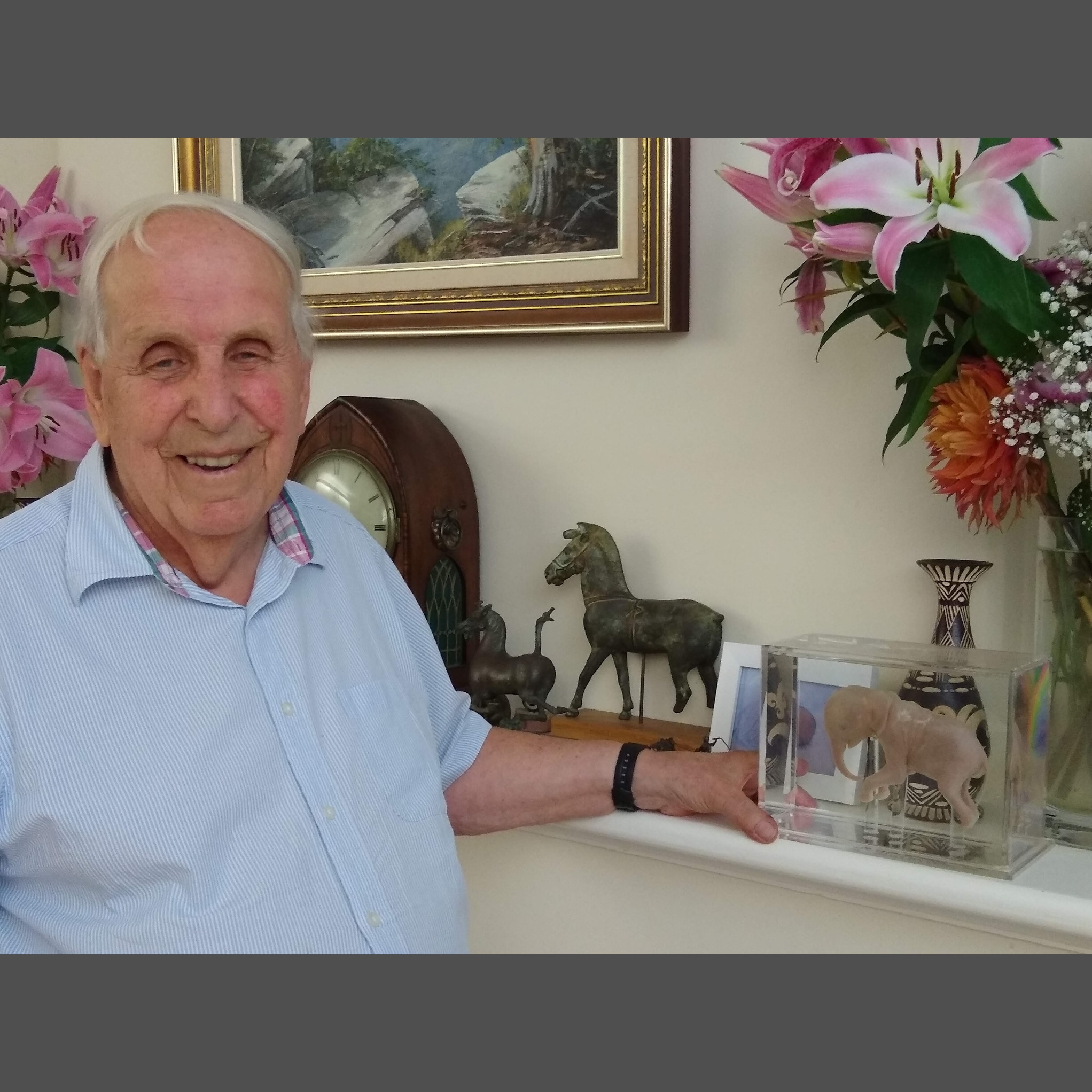
Professor Roger Short, reproductive biologist
Roger Short (1930-2021) discusses influences in his early life, and some of his research achievements including melatonin as a controller of circadia…
1 year, 5 months ago
Lab Notes: What makes Sydney's cockies so clever?
First they learnt how to flip open wheelie bin lids. Now they're using water fountains.
Masters of the urban landscape, sulphur-crested cockatoos (Cac…
1 year, 5 months ago
Hang on – we’re about to enter a wormhole!
Get ready for gravitons, dark photons and transition states. Kathryn Zurek takes us on a tour of the bewildering world of quantum physics.
1 year, 5 months ago
Lab Notes: How microscopic algae can devastate ocean life
A couple of months ago, a killer started mobilising off the South Australian shore — one that would wipe out marine life, make surfers feel sick, and…
1 year, 5 months ago
Black white and green
People have been in the Australian wilderness for generations. But can people be considered part of the natural landscape or will they always have an…
1 year, 5 months ago
Lab Notes: AI that outperforms humans is coming
If you were impressed by generative AI such as ChatGPT, then artificial general intelligence or AGI promises to really knock your socks off.
Over the …
1 year, 5 months ago
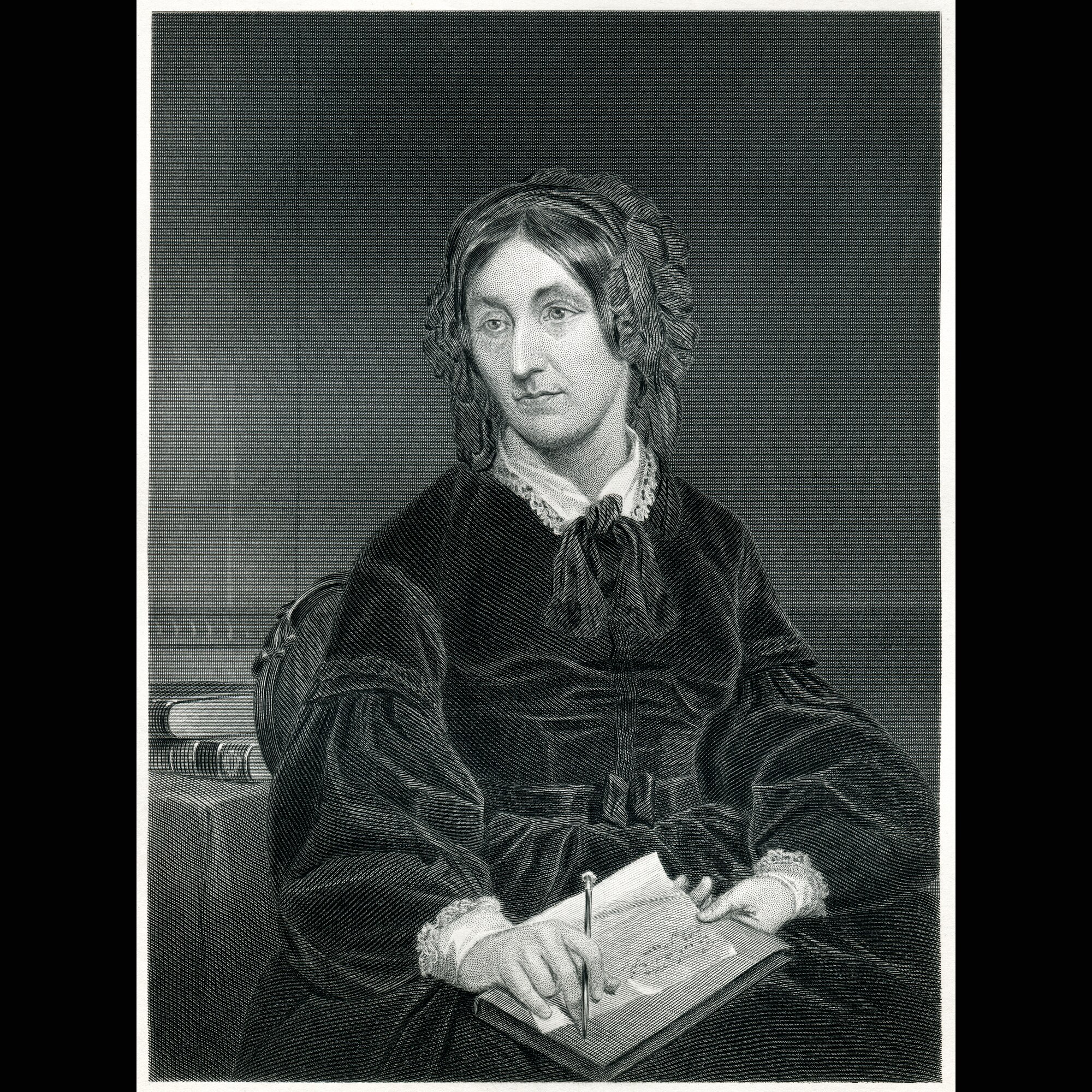
Mary Somerville - Brilliant polymath, scientific genius triumphed against the odds
She could only read and write from age 10. She reared children and had a first unsupportive husband. But Mary Somerville was able to correct the work…
1 year, 5 months ago
Lab Notes: Why a metre is a metre long
The next time you pick up a bag of spuds from the supermarket or fill up the car with petrol, you can thank the Treaty of the Metre for the metric sy…
1 year, 5 months ago
Evidence of oldest reptiles found in Victoria
Amateur fossil hunters make a major discovery. And Marilyn Renfree describes the sophisticated reproduction of marsupials.
1 year, 6 months ago
Lab Notes: The plight of the southern right whales
Southern right whales (Eubalaena australis) were named by whalers because their high oil content made them the "right" ones to kill.
In the decades si…
1 year, 6 months ago