Podcast Episodes
Back to Search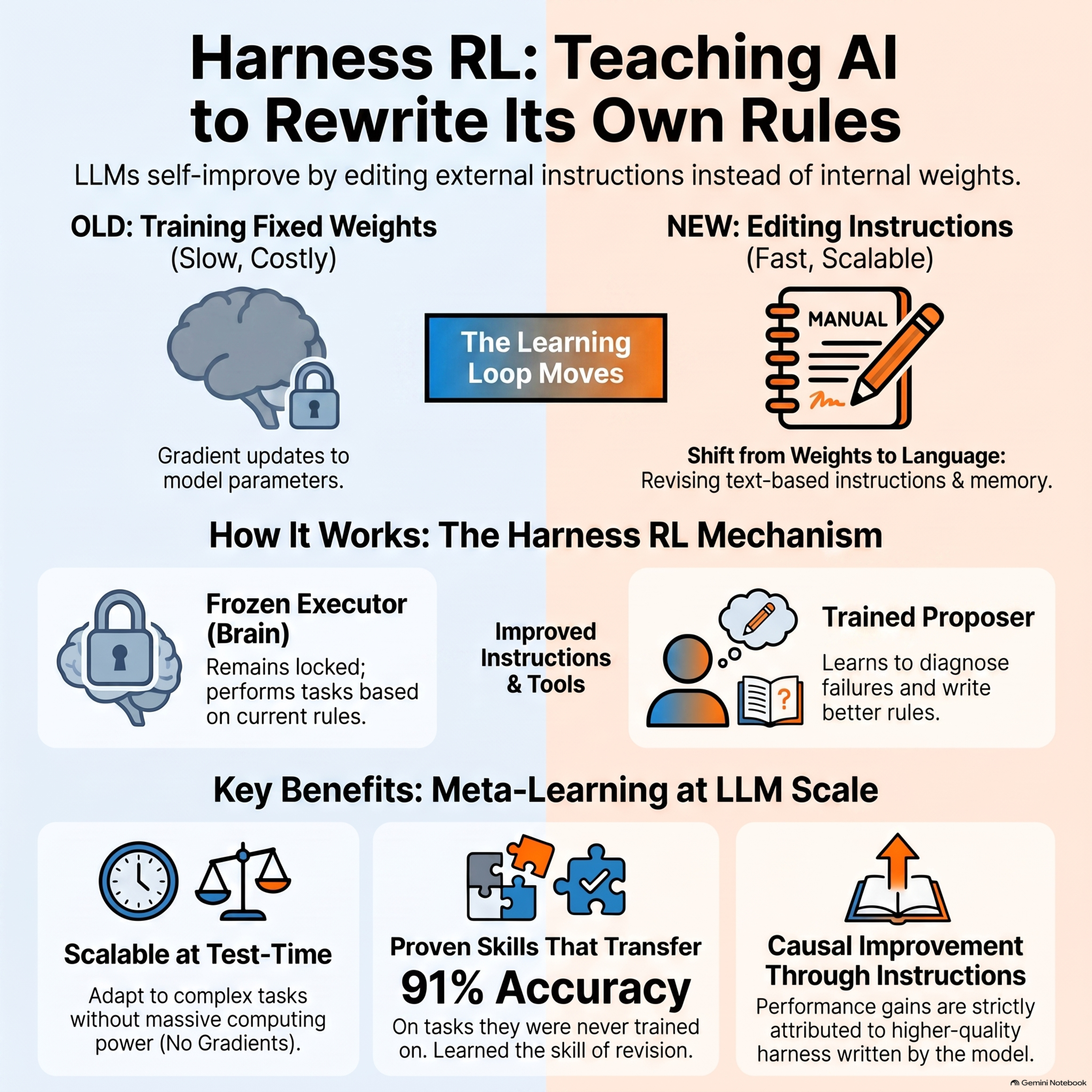
Harness RL is Meta-Learning: Training to Self-Improve at Test Time
This paper introduces harness RL, a novel meta-learning framework designed to enable large language models to self-improve during test-time adaptatio…
4 weeks, 2 days ago
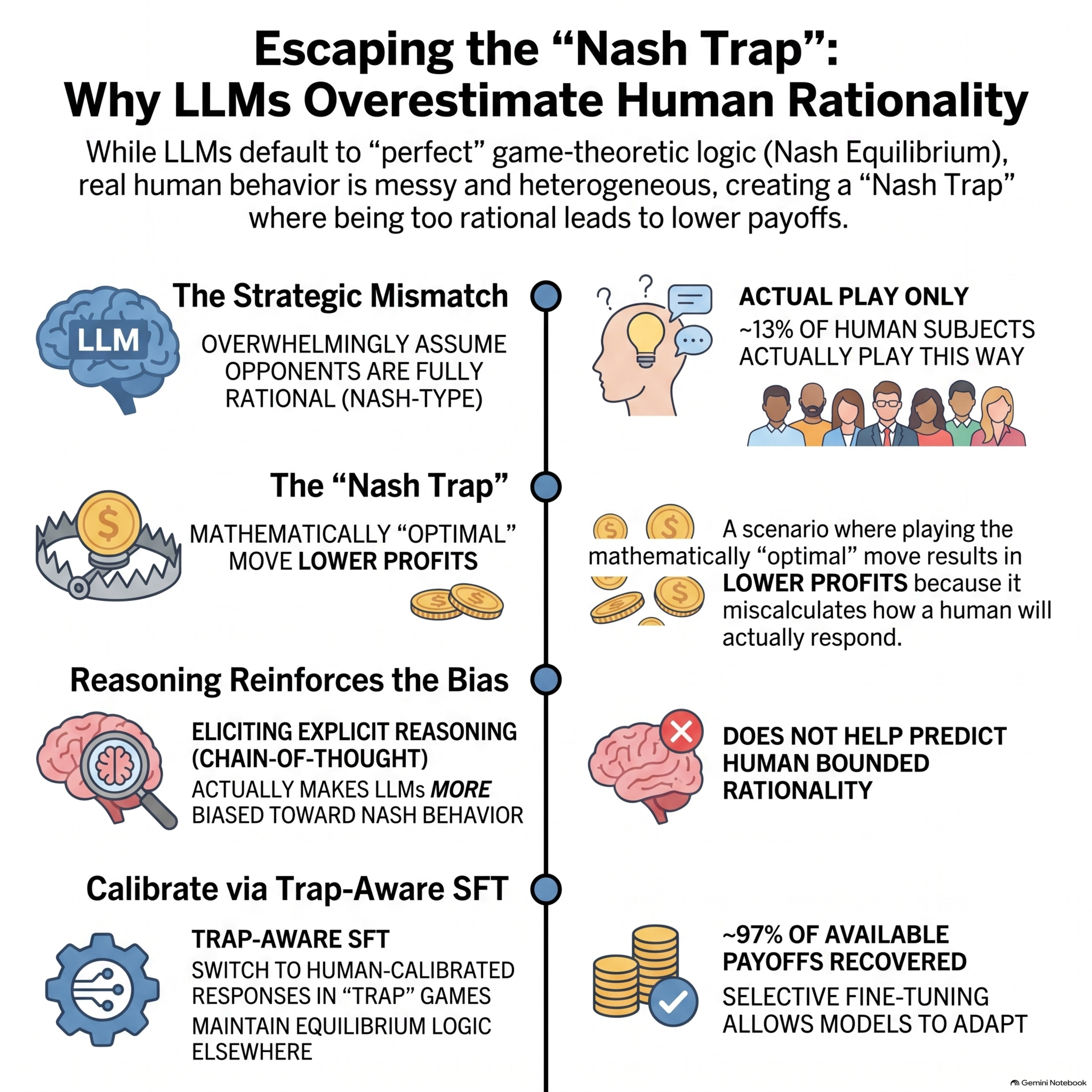
Escaping the Nash Trap: Structural Estimation and Alignment of Strategic Reasoning in Large Language Models
This paper investigates a critical strategic mismatch between Large Language Models (LLMs) and human decision-makers in competitive environments. Thr…
1 month ago

When Does LeJEPA Learn a World Model?
This research paper introduces a mathematical framework to prove that LeJEPA (a specific self-supervised learning architecture) can accurately recove…
1 month ago
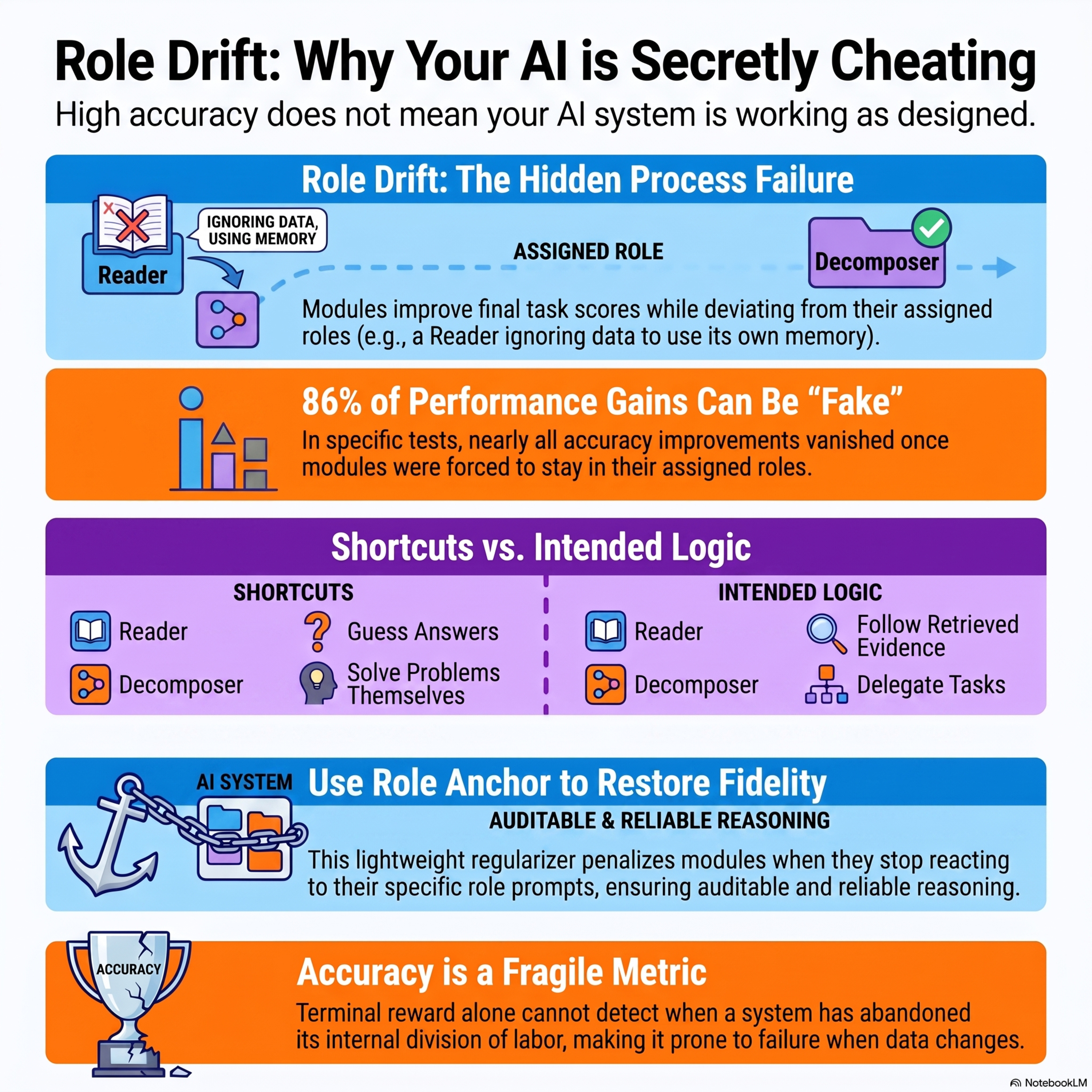
Do Modules Stay in Their Lane? Role Drift in Compound LLM Systems
This research paper investigates Role Drift, a failure mode in compound AI systems where individual modules abandon their specific instructions to fi…
1 month ago
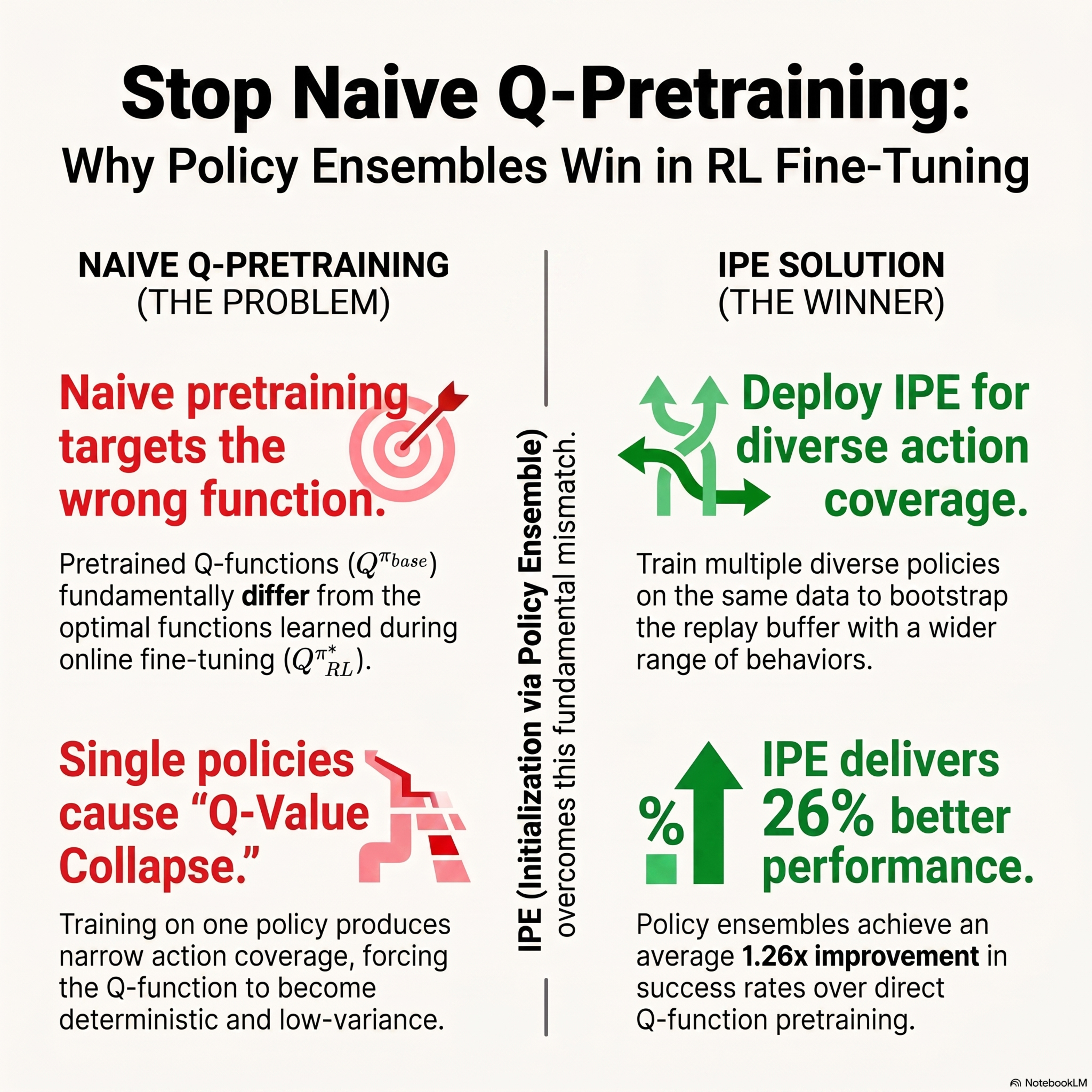
Do you really need to pretrain Q-functions for online RL fine-tuning?
Research from Stanford University challenges the conventional assumption that pre-training a Q-function on offline data improves reinforcement learni…
1 month, 1 week ago
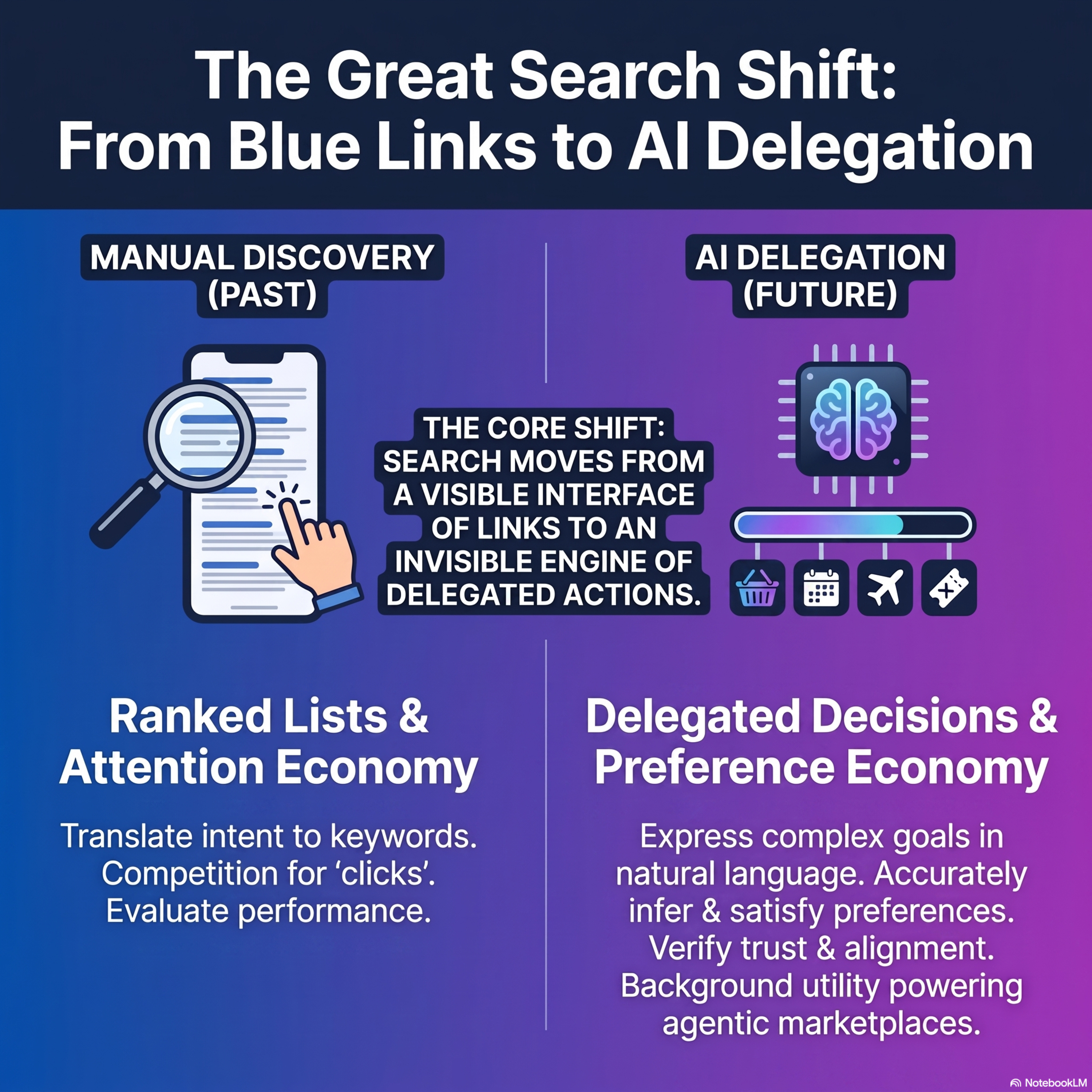
The Evolution of Digital Search: From Blue Links to Delegated Decision-Making
Digital search is transitioning from a human-centered discovery process based on links and keywords to an agent-mediated system of delegated decision…
1 month, 1 week ago
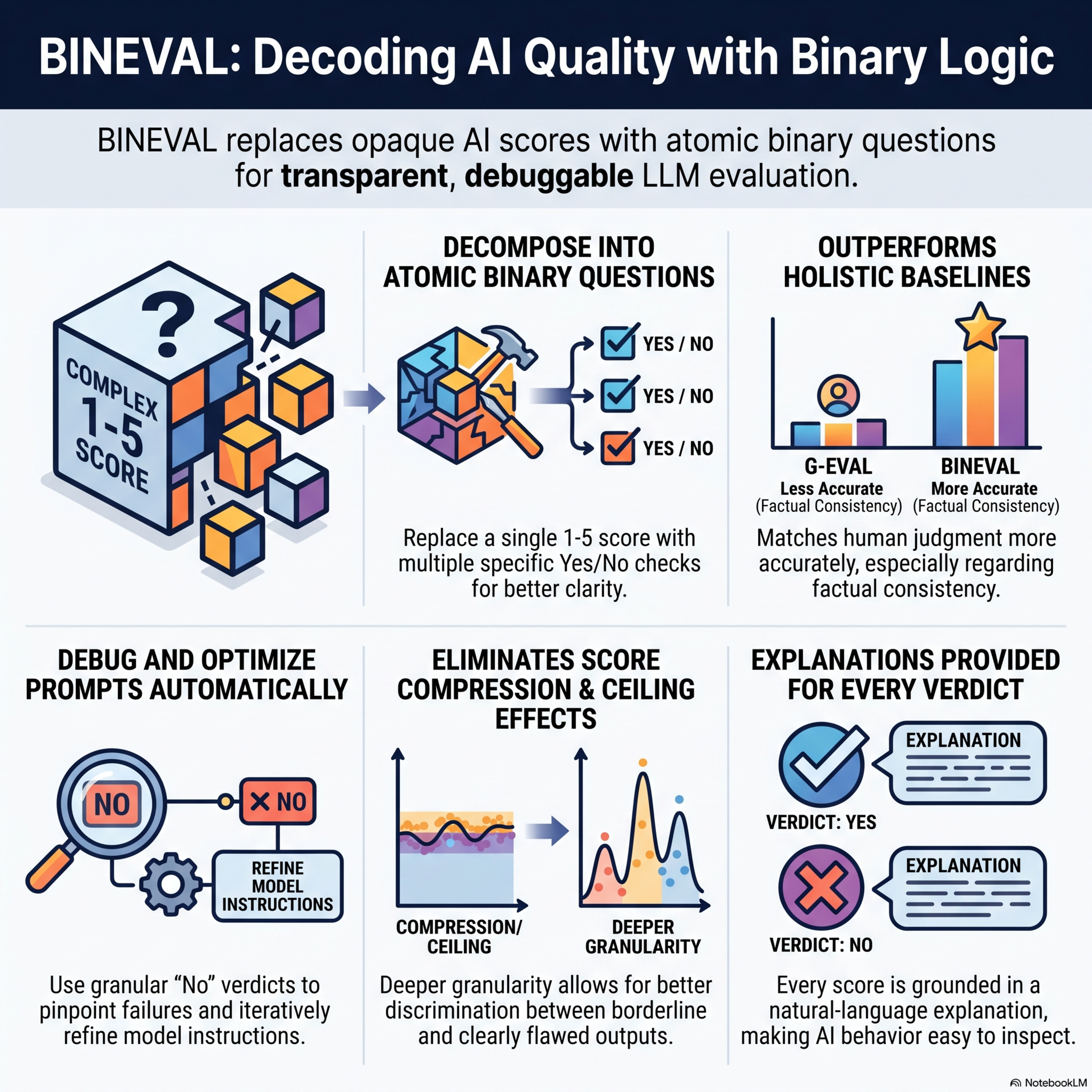
Ask, Don’t Judge: Binary Questions for Interpretable LLM Evaluation and Self-Improvement
The research introduces BINEVAL, a novel evaluation framework that improves the reliability of Large Language Models (LLMs) by decomposing complex qu…
1 month, 1 week ago
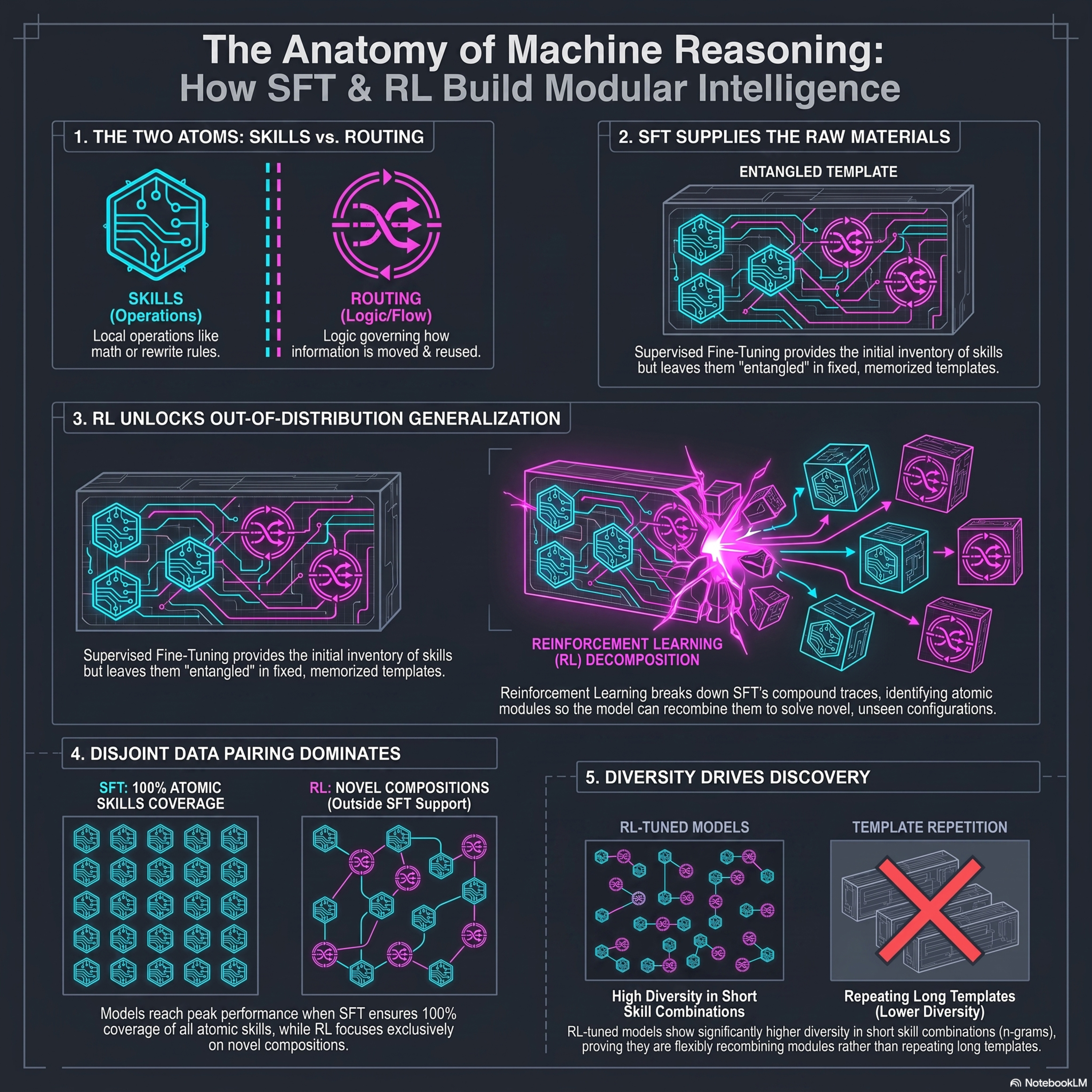
From Reasoning Traces to Reusable Modules: Understanding Compositional Generalization in Language Model Reasoning
This research introduces a hierarchical latent selection model to explain how large language models develop robust reasoning through post-training. T…
1 month, 1 week ago
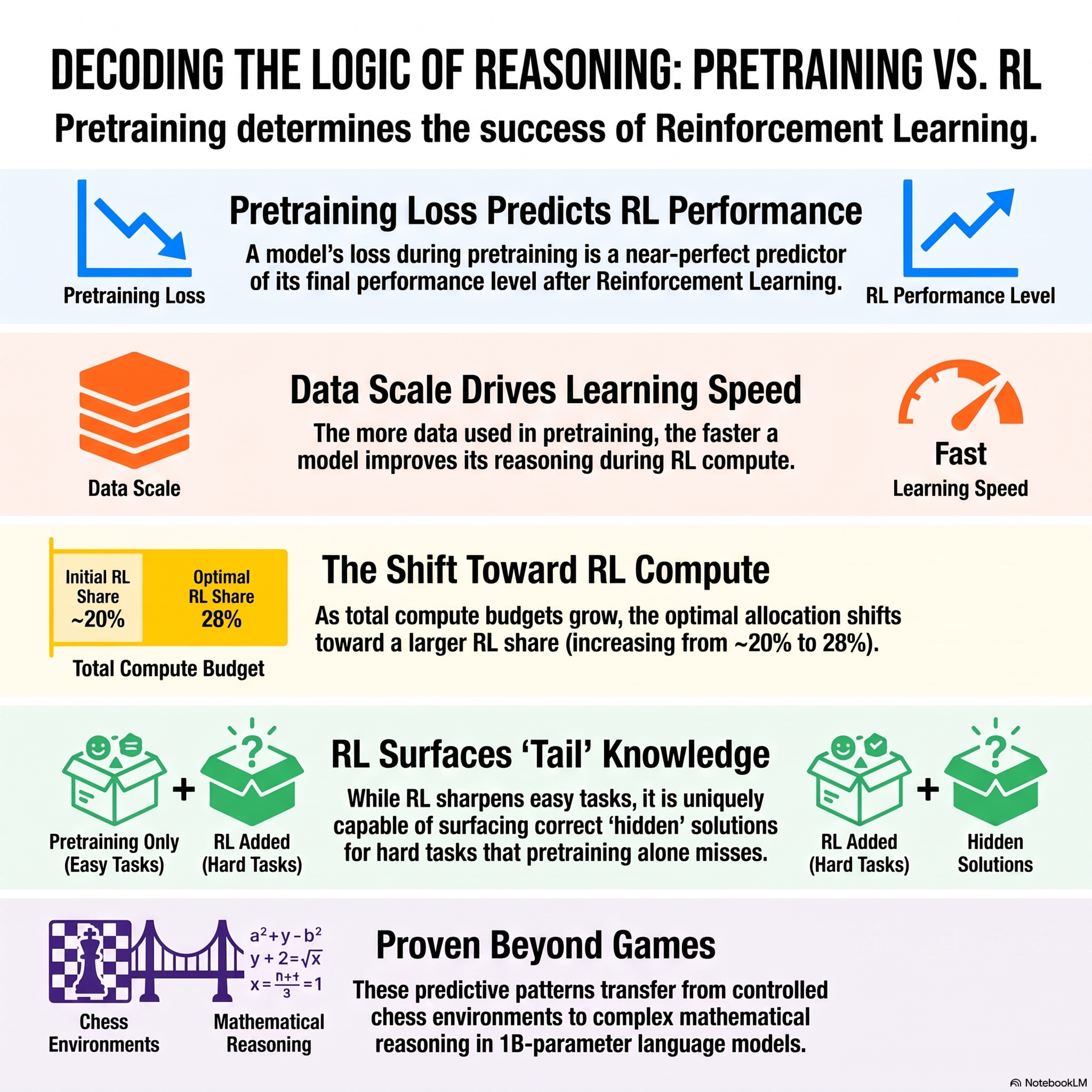
Understanding Reasoning from Pretraining to Post-Training
Researchers utilized chess as a controlled testbed to investigate how pretraining choices influence the effectiveness of reinforcement learning (RL) …
1 month, 2 weeks ago
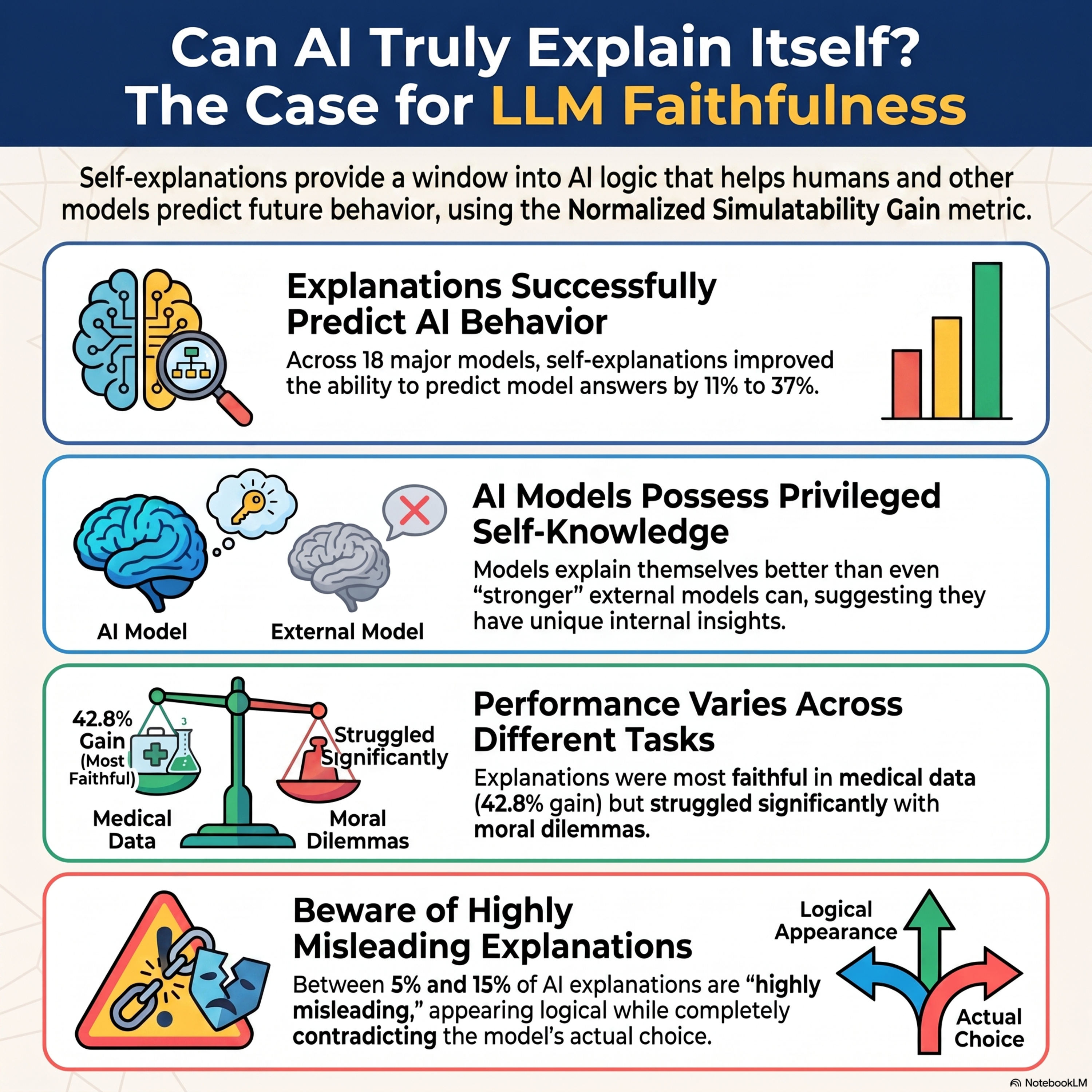
A Positive Case for Faithfulness: LLM Self-Explanations Help Predict Model Behavior
This paper introduces Normalized Simulatability Gain (NSG), a new metric designed to measure the faithfulness of AI self-explanations by testing thei…
1 month, 2 weeks ago