Podcast Episodes
Back to Search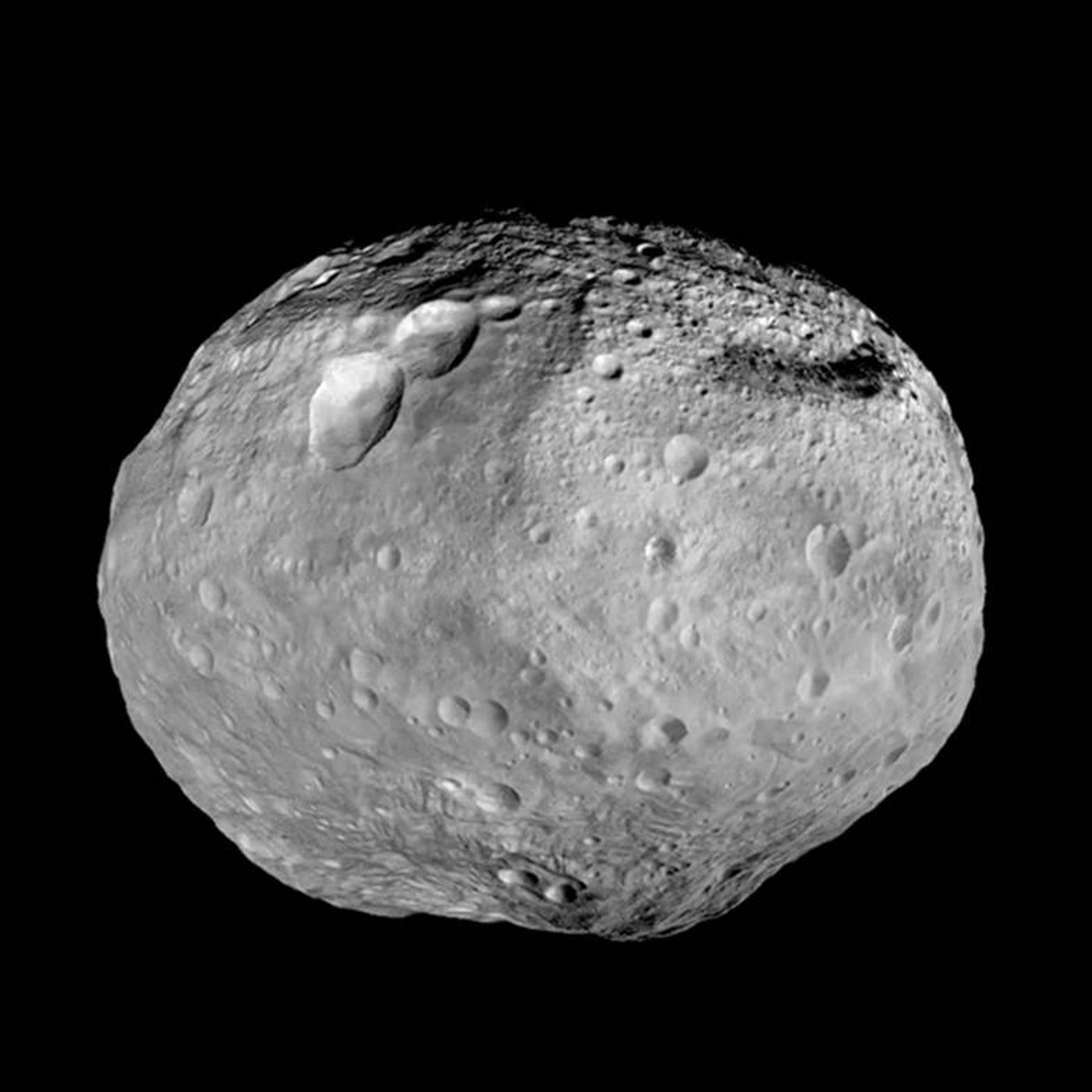
803-Monster NEO
Since larger space rocks are rare, it was surprising when my Catalina Sky Survey teammate Hannes Groller found a half mile diameter asteroid travelin…
2 years, 3 months ago
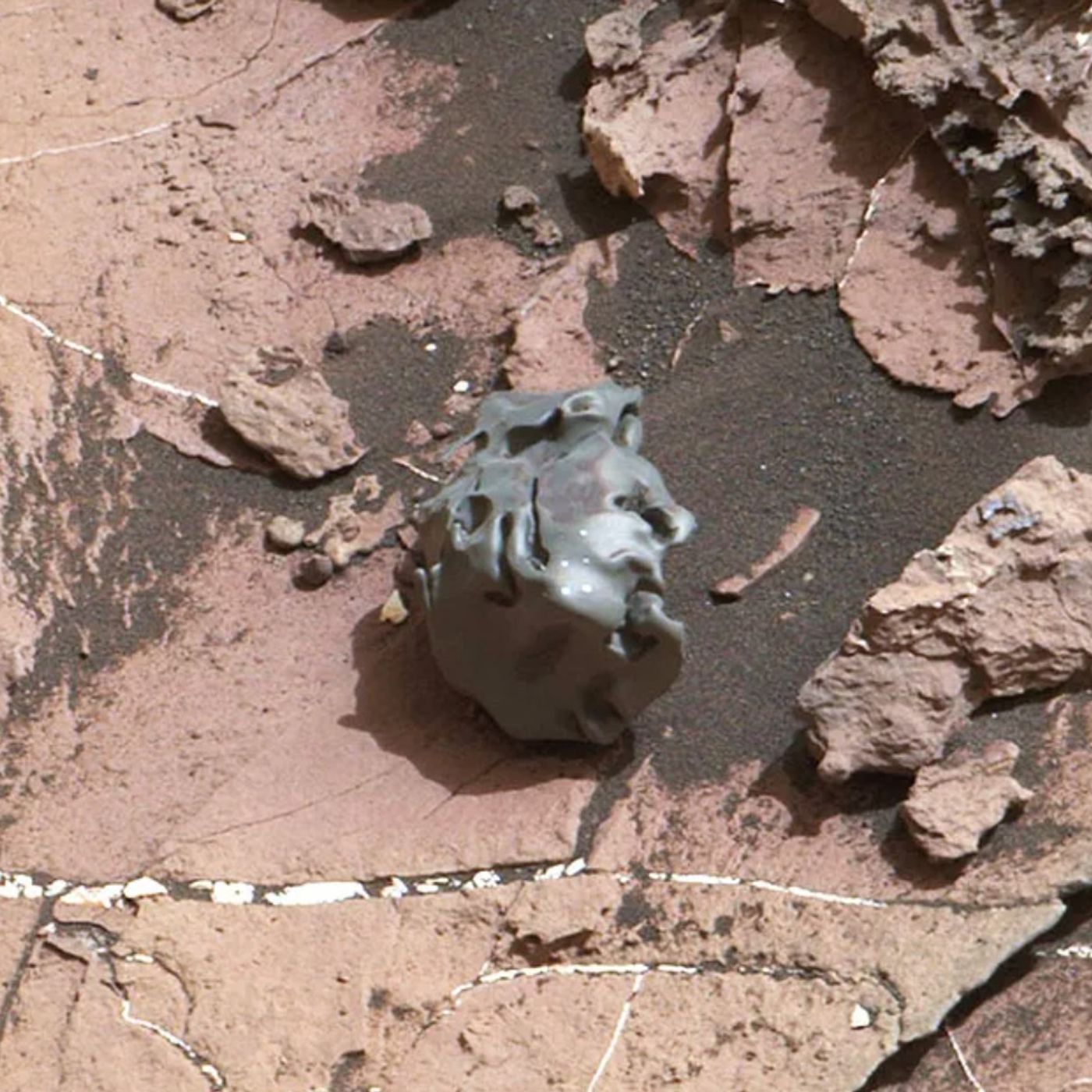
290E-306-Egg Rock
Egg rock's chemical composition and visual appearance is so different from other native Mars rocks that scientists have concluded that it is a meteor…
2 years, 4 months ago
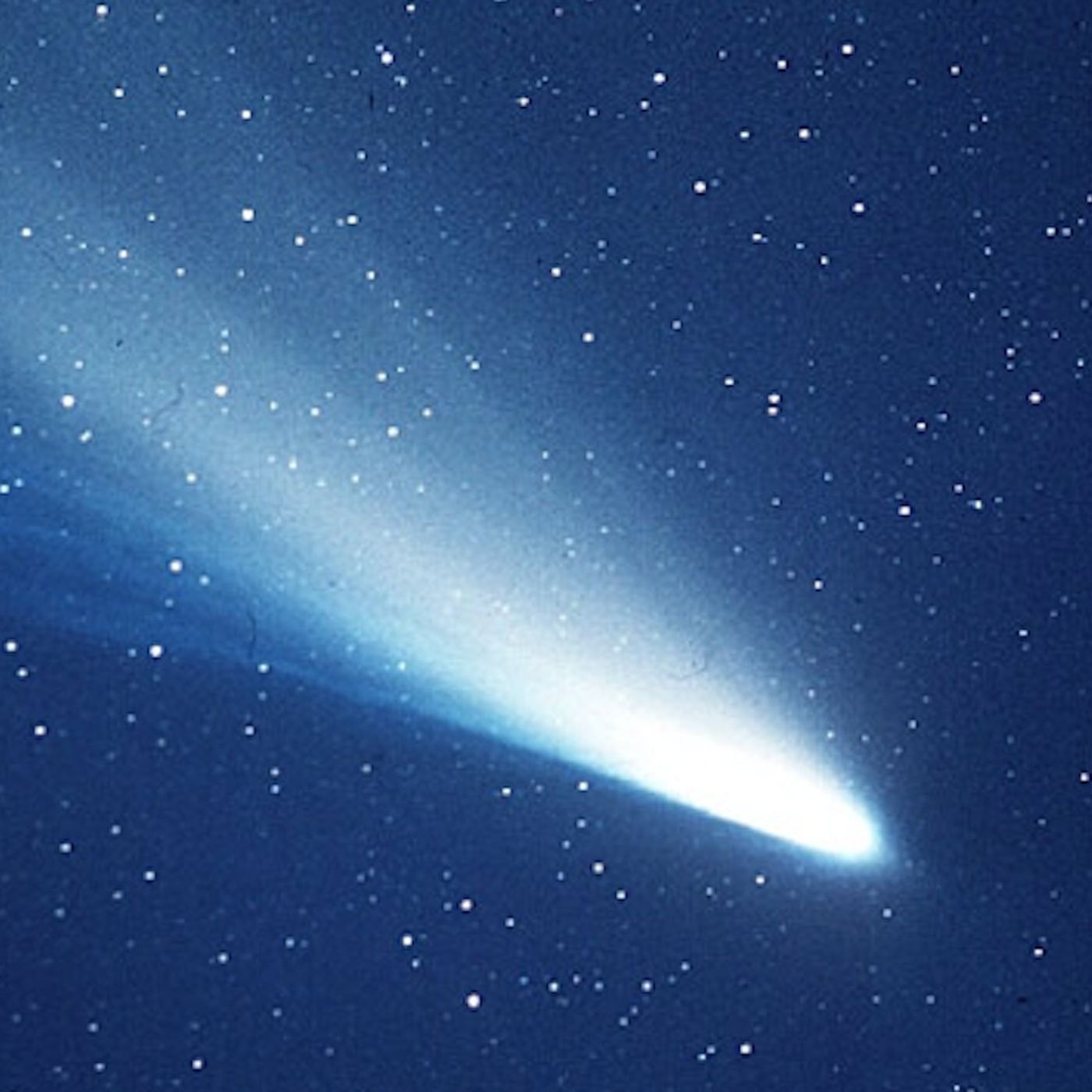
802-Bok Comet
My Catalina Sky Survey teammate Kacper Wierzchos was asteroid hunting in the constellation of Draco with the Steward Observatory Bok 90 inch telescop…
2 years, 4 months ago
289E-305-Murky
It was murky cloudy night on Mt. Lemmon where I was trying to find Earth approaching objects with the Catalina Sky Survey 60 inch telescope. At about…
2 years, 4 months ago

801-Jacqui's PHA
My Catalina Sky Survey teammate Jacqueline Fazekas was asteroid hunting with our small but mighty Schmidt telescope on Mt. Bigelow, Arizona when she …
2 years, 4 months ago
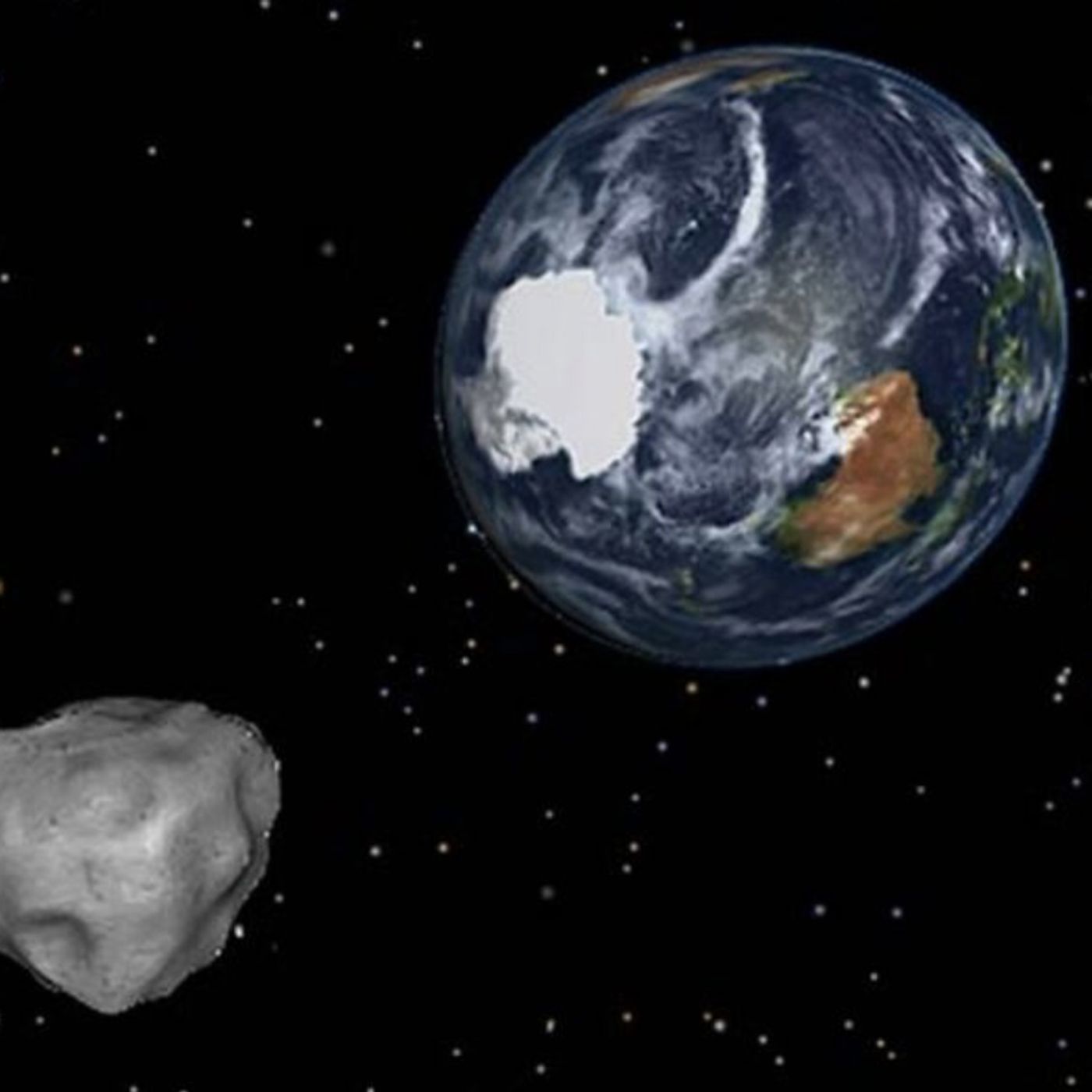
288E-304-Close One
My Catalina Sky Survey teammate Rose Matheny had no way of knowing that the fast moving point of light that she had just discovered would create such…
2 years, 4 months ago
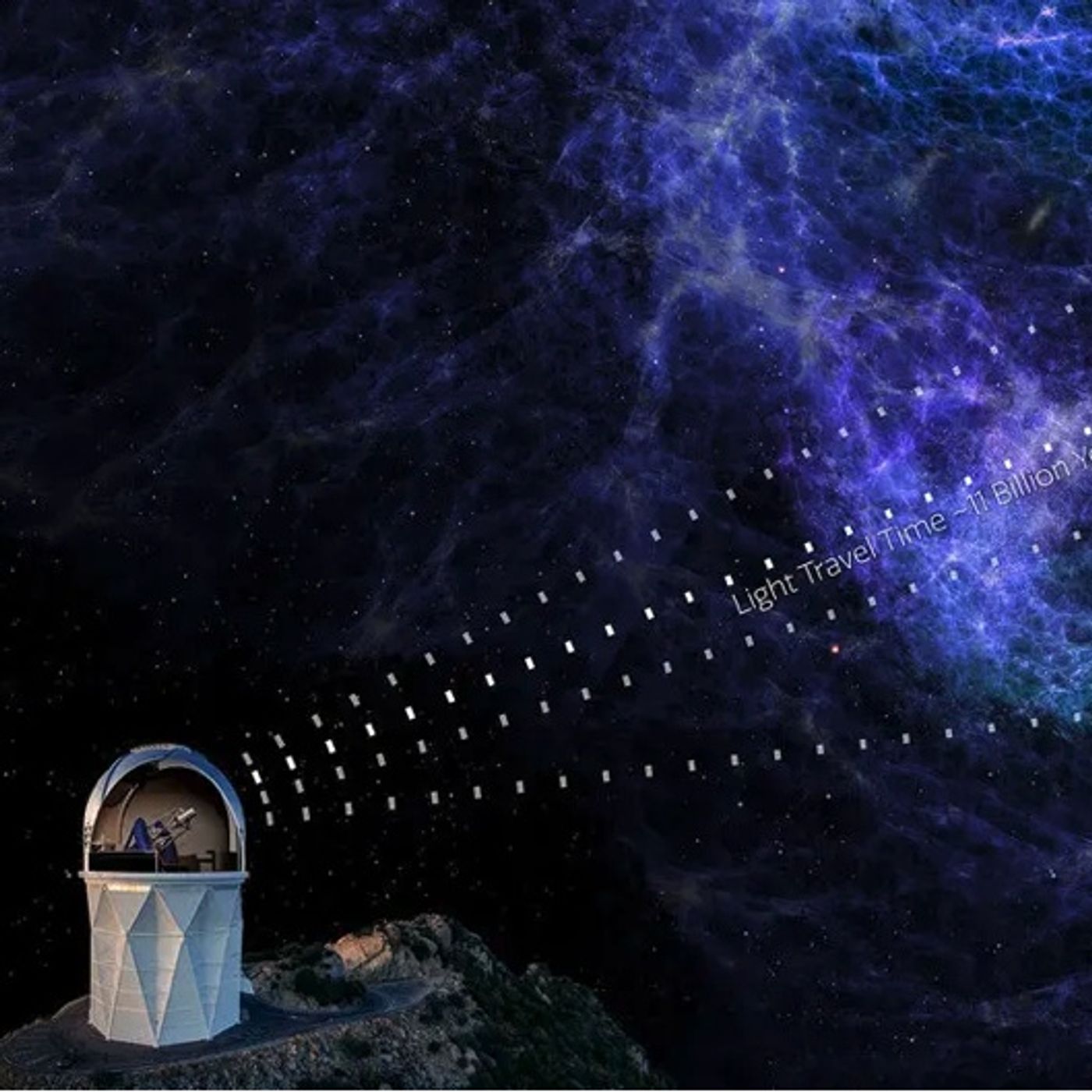
800-Telescope Reborn
In an astonishing rebirth, the Mayall 4-m telescope has jumped to the forefront of astronomy once again because it is sturdy and precise enough to ca…
2 years, 4 months ago
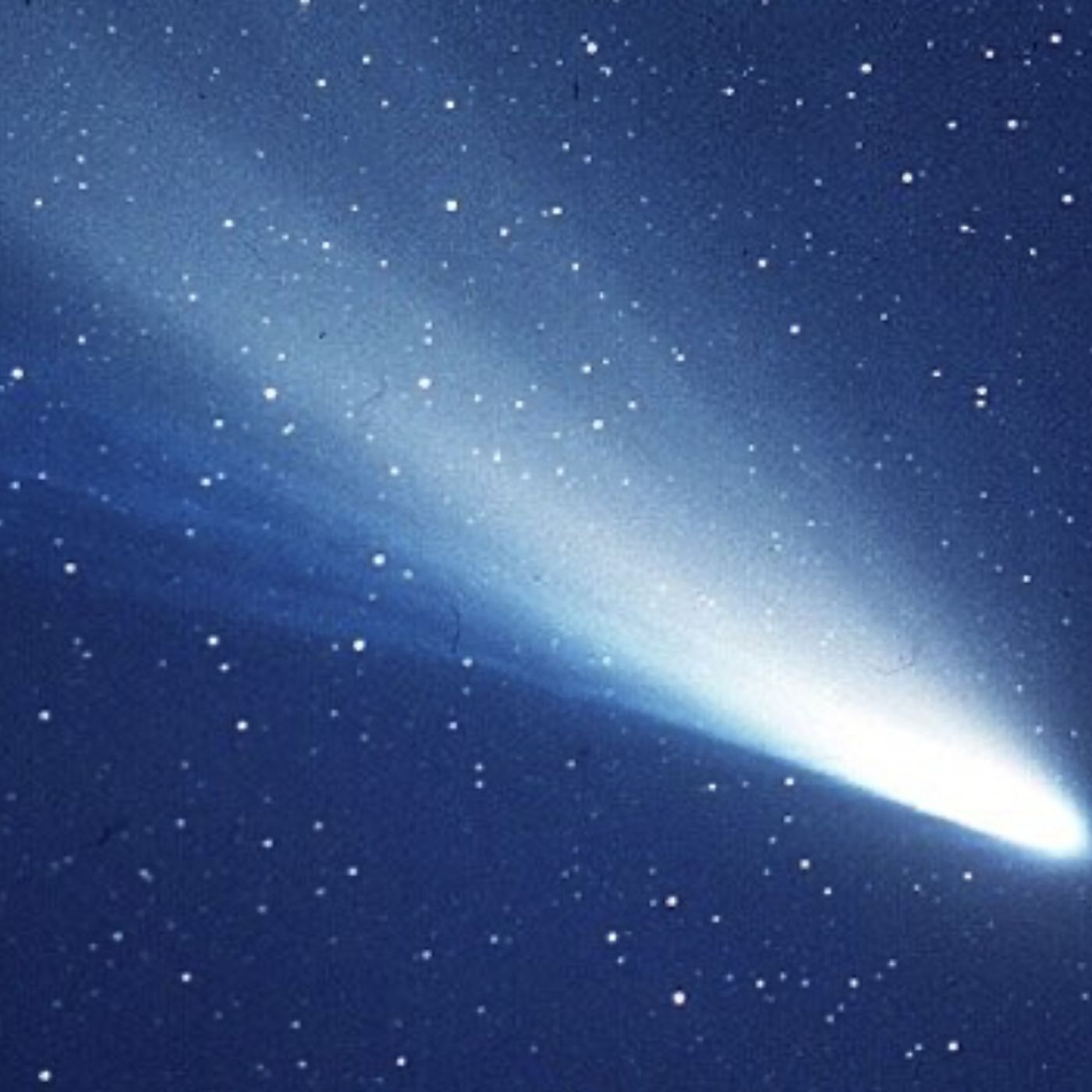
287E-302-Sensing A Comet
More than 400 years ago Galileo Galilei expanded human vision using a telescope to view the cosmos. Since then humans have extended their senses to v…
2 years, 4 months ago
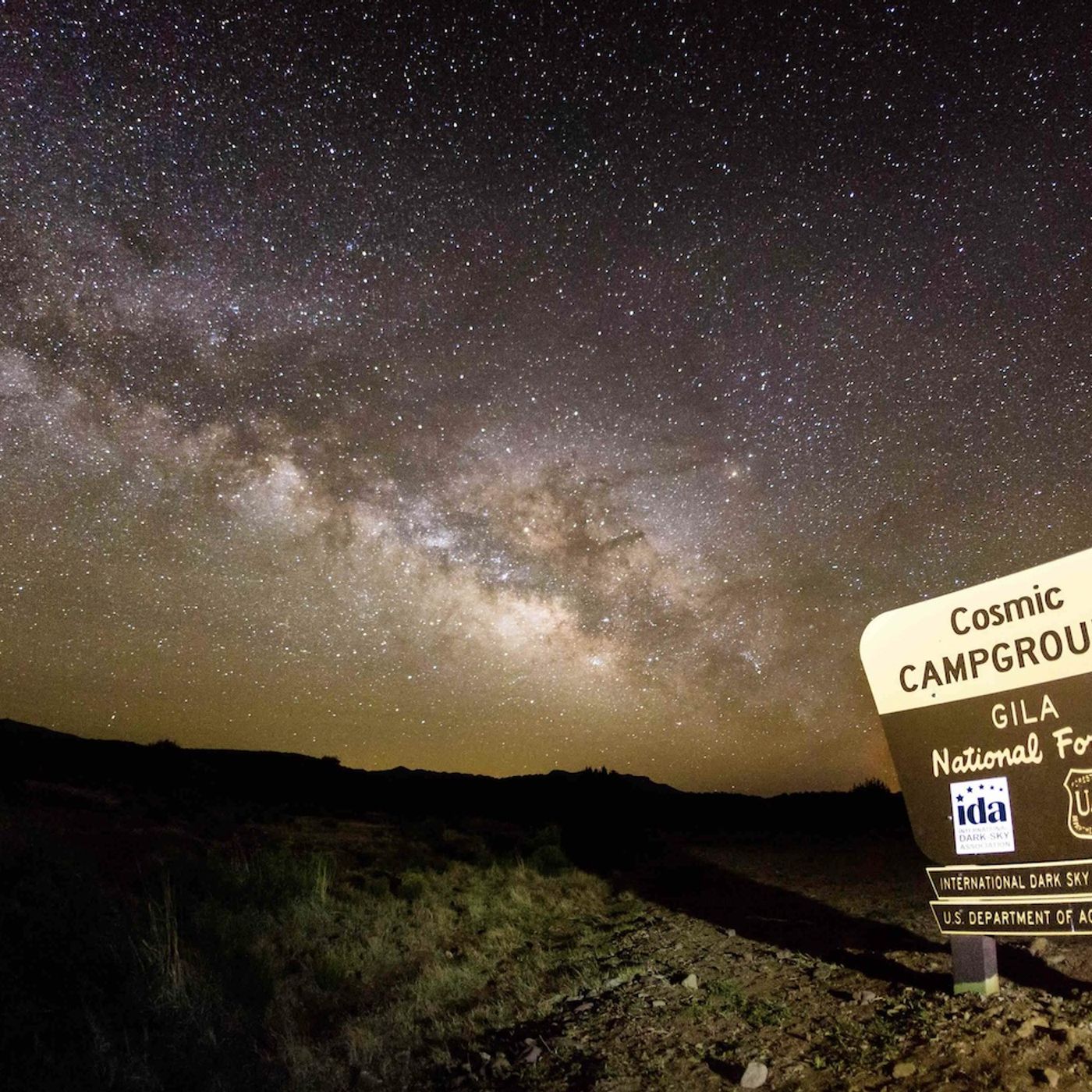
799-Nature's Gateways
The Cosmic Campground International Dark Sky Sanctuary and the Aldo Leopold Gila Wilderness in New Mexico are gateways to nature where man is only a …
2 years, 4 months ago
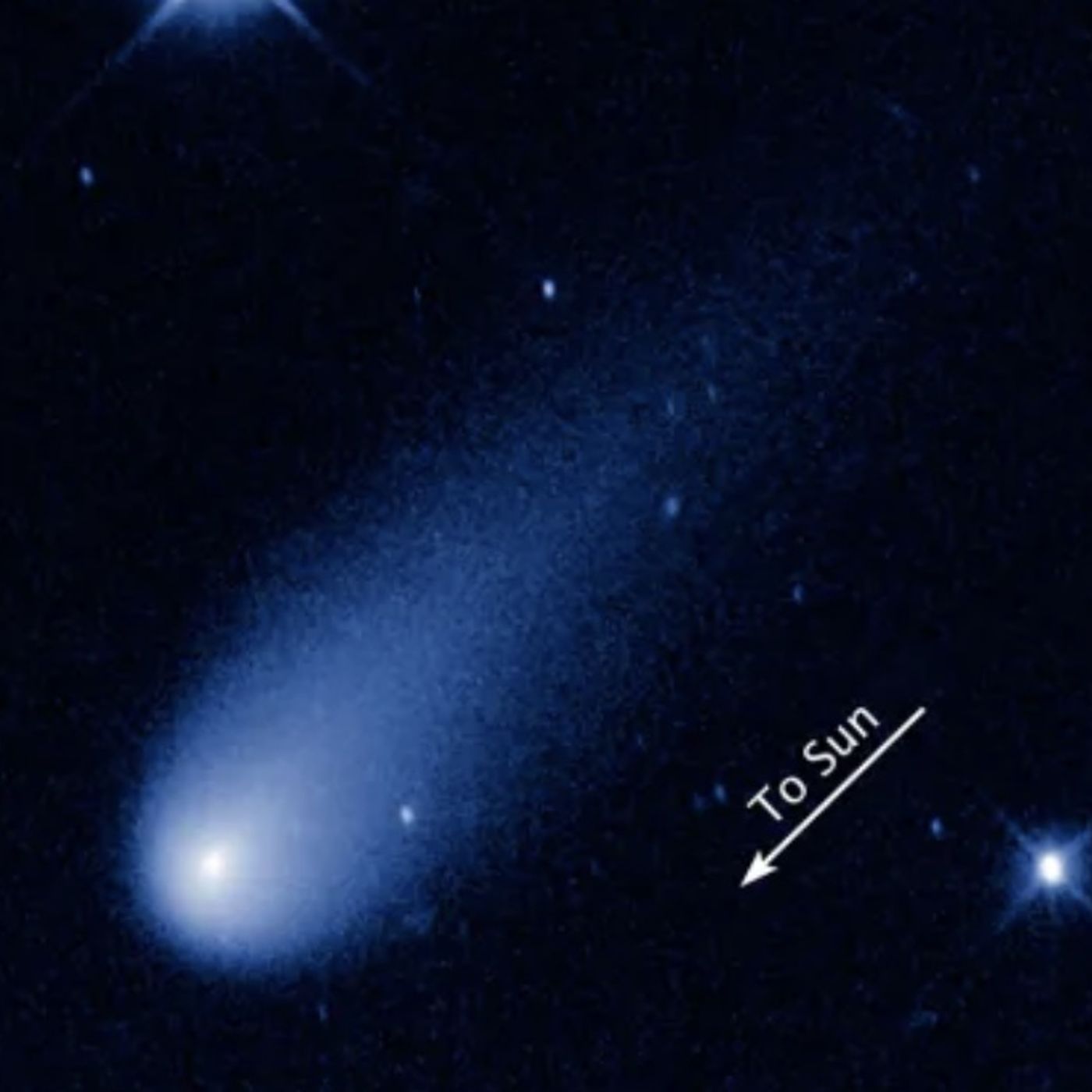
286E-301-Visitors From Afar
A pair of comets visiting our neighborhood are discovered in a matter of 4 days.
One of the perks of being an asteroid hunter is having a comet named…
2 years, 4 months ago