Episode Details
Back to Episodes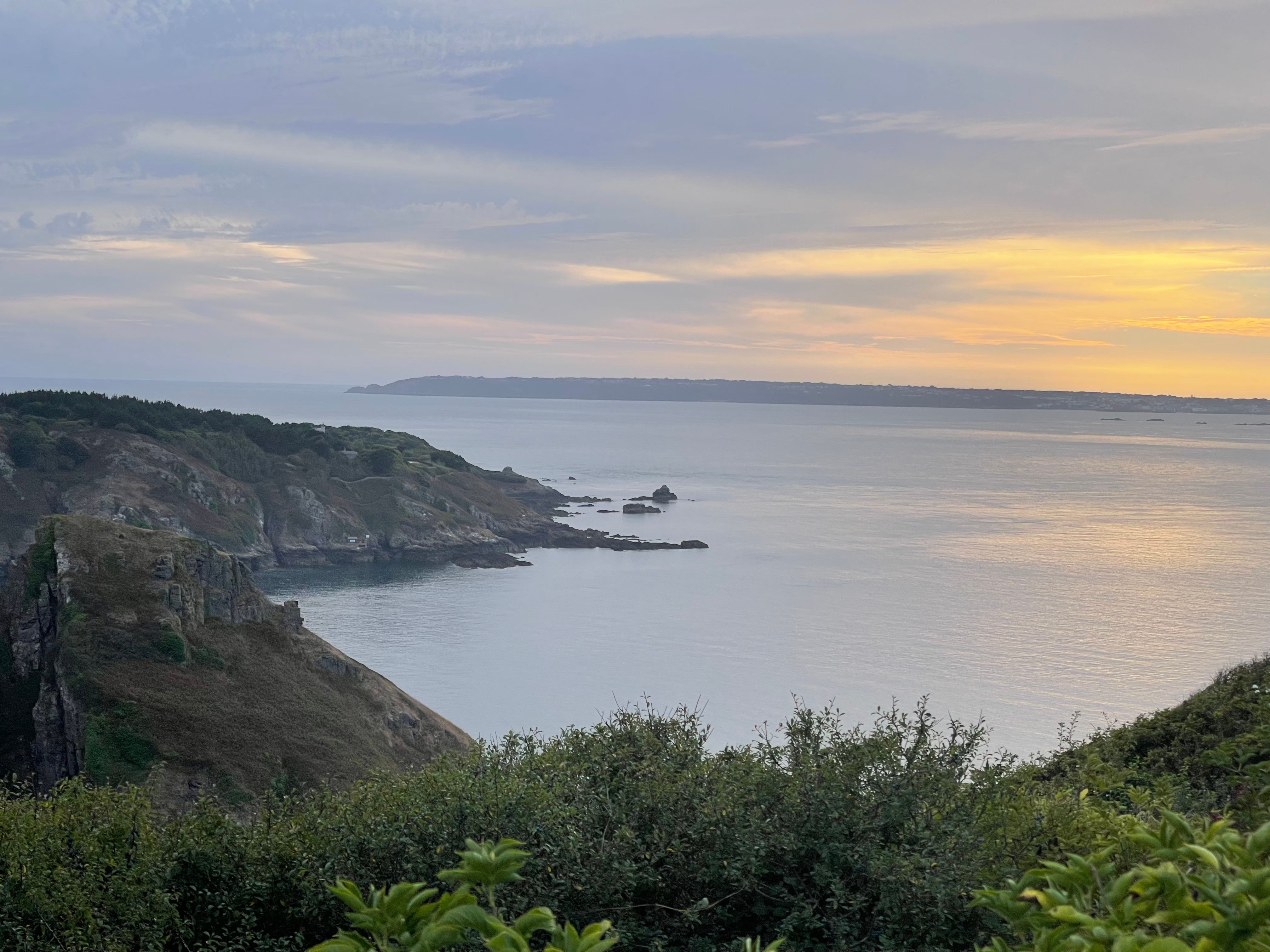
An eternal lesson for investors from a ill-fated silver mine
Description
While on holiday in Sark this week, I stumbled across a book in the local post office: “Silver Mining On Sark” by David Synnott, which describes an ill-fated mining operation on the island between 1836 and 1847.
Books are distilled knowledge, and I love the stuff you can find in them. Often stuff you don’t find online.
“Plus ça change, plus c’est la même chose”, runs the old French saying. It applies to mining, it seems, as much as anything.
We don’t use canaries any more; mines are powered by diesel and electricity, not horse-, donkey- or and manpower; helmets have torches instead of candles and there is underground lighting; and a higher premium is placed on human life than in the early 1800s, when workers were much more disposable.
But the game is exactly the same: you’re trying to extract metal from rock and sell it at a higher price than you mine it for.
The tricks of the trade, aka scams, are the same too.
So let me tell you the story of Sark’s silver mine.
How a silver mine brought the boom times to a tiny island
Sark, by the way, is a tiny island about two miles square, located between Guernsey and Jersey in the English Channel – much closer to France (25 miles) than England, which is over 200 miles away.
Remains show the island was inhabited in Neolithic times, but for many periods in the island’s history there was nobody here at all. Today it has around 500 residents. There are famously no cars on the islands – only tractors, horses, bikes and mobility scooters – and no street lights, giving you probably the best view of the night sky in Europe.
It’s famous for its harsh, windswept landscape with sheer cliffs and jagged rocks. It still has a feudal lord – who, by the way I beat at table tennis – and its own parliament.
In the early 1800s the language spoken here – the patois – was similar to Old Frankish. Very different from the Cornish spoken by the miners who would soon settle there.
If you take a boat trip round the island, there are visible copper salts leaching in the cliffs – which no doubt explains its appeal during the Bronze Age – and it was these visible salts that attracted prospectors to the island in the early part of the 19th century.
The Cornish at the time had one of the most evolved mining cultures in the world (also dating back to the Bronze Age), and they were operating mines as far afield as Argentina, North America (especially California, Wisconsin, Pennsylvania, Michigan and Virginia – in Chesapeake they even have a Cornish accent) and South Africa, where they operated the world’s largest copper mine at Okiep, 300 miles north of Cape Town. They were in Australia and New Zealand as well.
Even the great Mark Twain – he of “a mine is a hole in the ground with a liar standing next to it” fame – was of Cornish descent.
In 1835, funded by an English mining adventurer called John Hunt – adventurer is a far better term than entrepreneur, is it not? – a team of Cornish miners arrived on the island to mine the copper. They soon found lead and silver nearby, and began mining that too. And so was Sark’s Hope Mine built.
They should have called it the No Hope Mine – what was prospering in 1839 went badly wrong. How?
Profits erased by extravagant dinners and lax accounting
In the age old tradition of mining, management misled the shareholders. When the ore body was clearly not enough to support the mine, the mine captain deceived where possible to keep the game going.
Management had a vested interest in doing so, even if it was no longer profitable. Their salaries depended on it. There were also some two hundred Cornish workers were employed by the mine, together with their wives (who may also have been employees – “bal maidens”, they were known as) and their families. Sark’s population soared to 790, the highest ever recorded.