Episode Details
Back to Episodes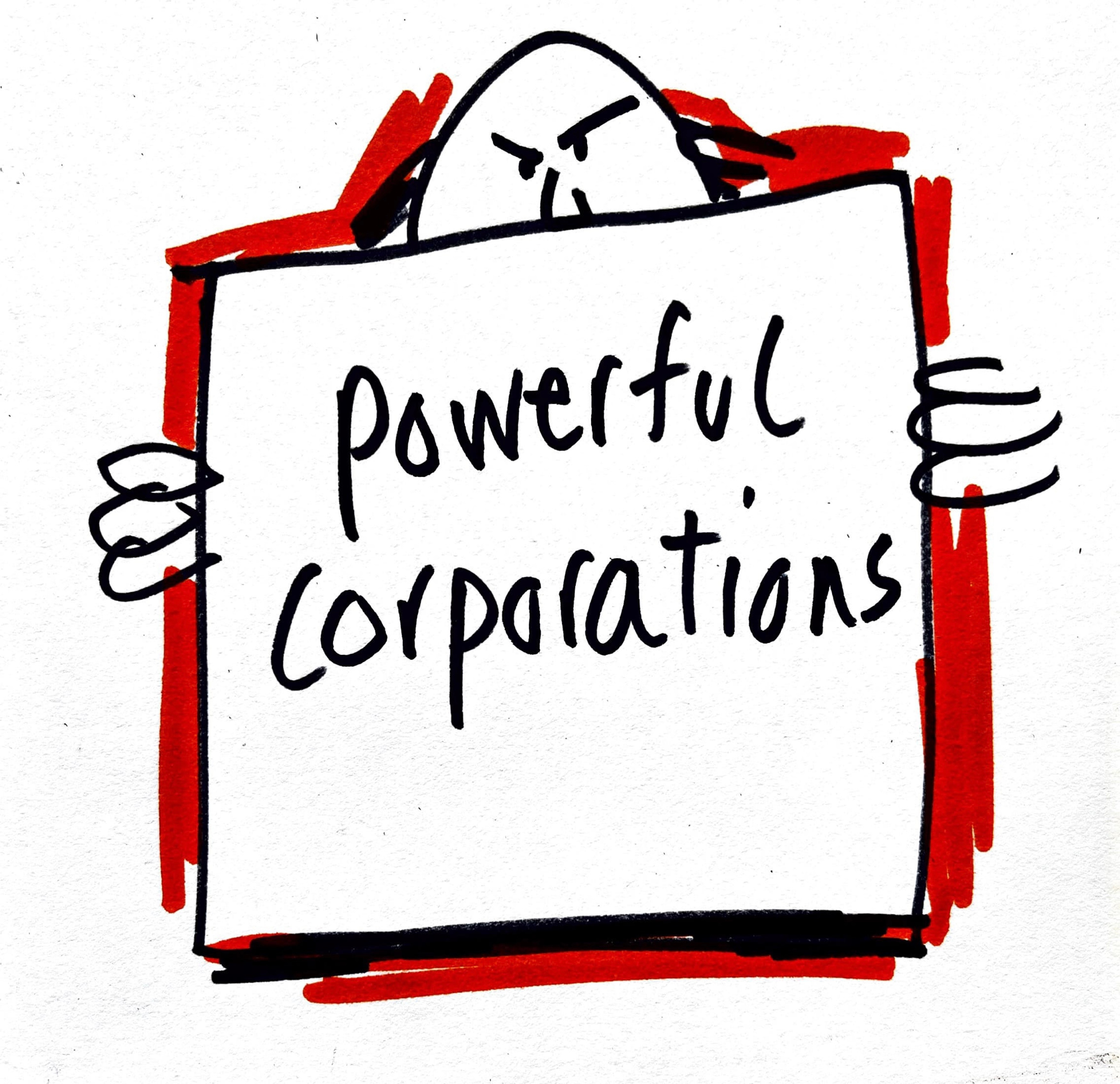
How Biden did it
Description
The Clean Air Act of 1970 authorized the government to regulate air pollution.
The Inflation Reduction Act, which Joe Biden just signed into law, allocates more than $300 billion to energy and climate reform, including $30 billion in subsidies for manufacturers of solar panels and components, wind turbines, inverters, and batteries for electric vehicles and the power grid.
Notice the difference?
The Inflation Reduction Act is a large and important step toward slowing or reversing climate change. It also illustrates the nation’s shift away from regulating businesses to subsidizing businesses.
From 1932 through the late 1970s, the government mainly regulated businesses. This was the era of the alphabet soup of regulatory agencies begun under Franklin D. Roosevelt (the SEC, ICC, FCC, CAB, and so on), culminating in the EPA of 1970.
The government still regulates businesses, of course, but the biggest thing the federal government now does with businesses is subsidize them.
Consider Joe Biden’s biggest first-term accomplishments:
— the CHIPS and Science Act (with $52 billion of subsidies to semiconductor firms, plus another $24 billion in manufacturing tax credits);
— the Infrastructure Investment and Jobs Act ($550 billion of new spending on railroads, broadband, and the electric grid, among other things);
— and now the Inflation Reduction Act (including, as I noted, $30 billion specifically for solar and wind manufacturers).
This shift from regulation to subsidy isn’t just a central feature of the Biden administration. It has characterized every recent administration. Trump’s “Operation Warp Speed” delivered $10 billion of subsidies to Covid vaccine manufacturers. Obama’s Affordable Care Act subsidized the health care and pharmaceutical industries (indirectly, through massive subsidies to the purchasers of health care and pharmaceuticals). And Obama spent some $489 billion bailing out the financial industry (and, notably, never fully restored financial regulations that previous administrations had repealed), as well as GM and Chrysler.
Before the 1980s, America would have done all this differently. Instead of subsidizing broadband, semiconductors, energy companies, vaccine manufacturers, health care and pharmaceutical businesses, and the financial sector, we would have regulated them. Corporations would have had to produce public goods (or avoid the public “bads” like, say, pollution or a financial meltdown) as conditions for staying in business.
If this regulatory alternative seems far-fetched today, that’s because of how far we’ve come from the regulatory state of the 1930s to the 1970s, to the subsidy state beginning in the 1980s.
Why this big shift? Because of the change in the balance of power between large corporations and government. Today it’s politically difficult, if not impossible, for government to demand that corporations (and their shareholders) bear the costs of public goods.
For one thing, corporations now have more clout in Washington than any other political player. Spending by corporations on lobbying increased from $1.44 billion in 1999 to $3.77 billion in 2021 and is on track to exceed $4 billion this year, according to OpenSecrets.org, a nonprofit that tracks lobbying spending. Industries that have spent the most on lobbying and campaign contributions are those that have been engaged in the most dramatic shift from r