Episode Details
Back to Episodes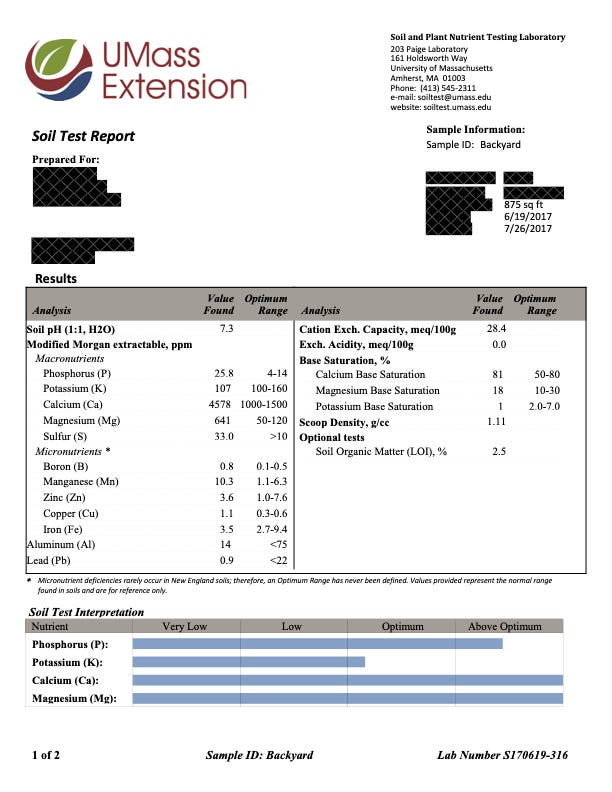
Should You Add Bagged Soil To Your Garden?
Description
As you can hear in the podcast above, adding bagged soil products to your garden might cause problems with your plants, due to impeded water movement. What to do? Debbie Flower, our favorite retired college horticultural professor, says to stick to the native soil. But, she does offer tips on how you can use bagged soil in your garden. Give a listen. And if you want to hear the whole conversation, head to Episode 166 of the Garden Basics podcast, released Tuesday, February 8. Also in that episode: thwarting weeds around rosebushes, without resorting to chemical weed killers. But if you do choose to use them, how to do it safely.
Also in this edition of the Garden Basics “Beyond Basics” Newsletter:
• Do you need to fertilize cool season flowers and vegetables?
• What Your Yellowing Citrus Leaves Are Trying to Tell You
• When is a rock mulch on top of your soil most appropriate?
• A Deep Dive into How Water Flows Through Soil
• Soil Testing: Do It Yourself, or Send It Out
Do You Need to Fertilize Your Cool Season Annual Vegetables and Flowers?
Maybe. Maybe not. It depends. Listen to the entire conversation in Episode 167 of the Garden Basics with Farmer Fred podcast. Here’s a transcription of the salient points from the podcast to that question:
Fred: Do you need to fertilize cool season annuals?
Debbie: "Need" is a strong word. And it would apply to fertilizing anything, really. Plants make their own food and they use nutrients that they get through the environment and absorbed through their roots to make that food. The time to fertilize is when they show you that they don't have enough of those nutrients. And that is when they have very small new leaves and they're losing all of their older leaves down at the bottom or closer to the trunk or they're all turning yellow, that would be a nitrogen deficiency. Or when you're seeing different streaks of yellow, let's say, in the leaves. That could be a micronutrient deficiency, the plants should be flowering, producing flower buds and opening them and it's not or the plant should be producing fruit and the fruit should be expanding. And it's not. Those are deficiency symptoms. And that's when you apply nutrition, which is in the form of fertilizer in the cool season. All those processes are very slow in the plant. And if you have soil that has been mulched with organic matter for a long time, long enough that the organic matter has started to break down and release nutrients to the soil, you typically will not need to fertilize the winter annuals.
Fred: That makes a lot of sense too. Because mulch is a slow release fertilizer as it breaks down. It's feeding the soil and if you've had that mulch for a long time, like you say, then your plants are slow. Slowly, slowly being fed. And I think we all prefer to be fed, slowly slowly.
Debbie: It's painful to eat too much at one sitting. Yeah, exactly. And a plant can show that symptom as well. They can burn when you give them too much fertilizer. Yes, cool season annuals need nutrition, because they're alive and they're flowering or fruiting or whatever it is you you have them for, even just growing them for their showy green parts. But do we need to add fertilizer only if we see deficiency symptoms.
Fred: And it can't hurt to do a soil test.
Debbie: Absolutely. Find out exactly what it needs.
Fred: And you can buy soil tests that do more than just measure pH, which the less expensive soil test kits do. A step up are the test kits that also measure nitrogen, phosphorus and potassium. But you can go beyond that and buy more expen