Episode Details
Back to Episodes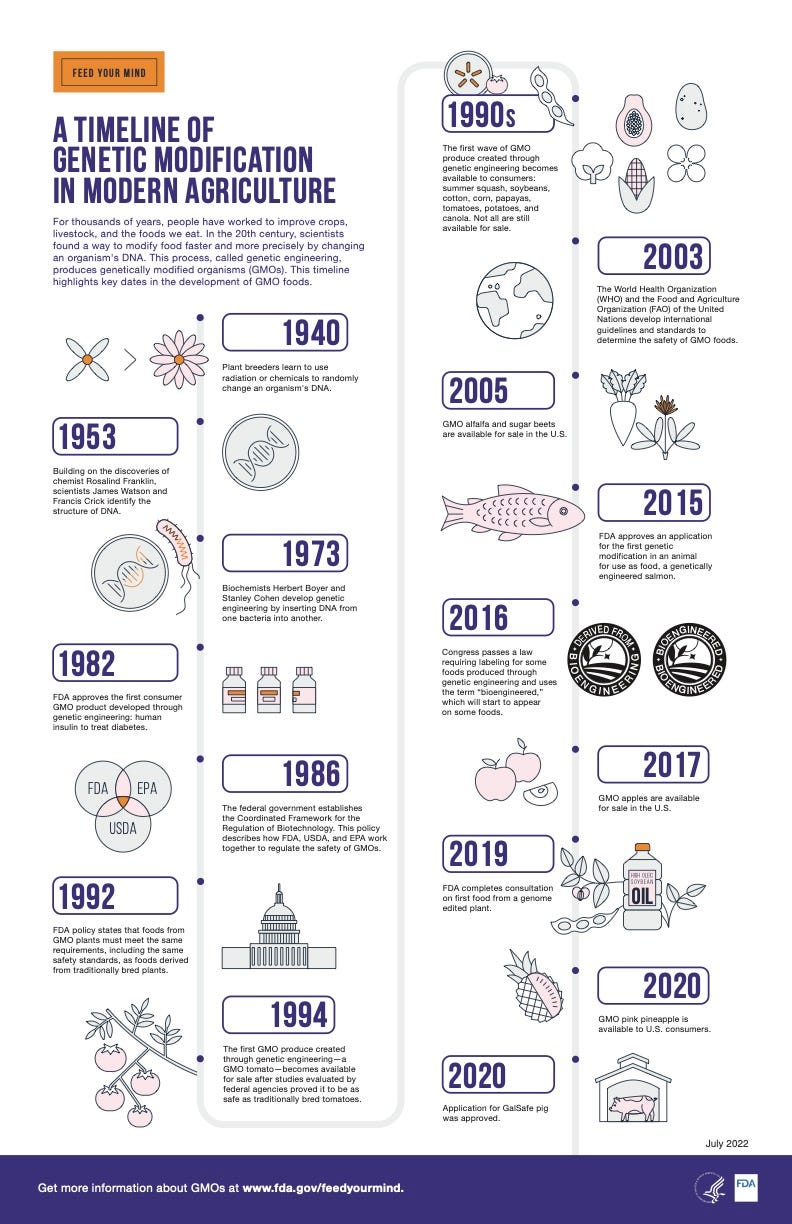
Should Chicken Manure Fertilizer Be Considered "Organic"?
Description
Today’s “Beyond the Garden Basics” podcast takes a closer look at a very popular organic fertilizer: chicken manure. As retired organic landscape consultant Steve Zien of Living Resources Company points out, manures are an excellent soil amendment, especially their contribution to the soil biology. In this day and age, however, should chicken manure still be considered organic? Up to 90% of the corn produced in America is from Genetically Engineered seed. A major part of a chicken’s diet is corn, along with soybeans, of which a substantial portion is also grown with GE seed. Can we trust that what comes out of the other end of those chickens is organic? It depends who you ask.
One chicken manure fertilizer supplier, who specializes in organic fertilizers, danced around that topic…anonymously.
“I occasionally get this same question from home gardeners. Usually the person asking prefers a more “purist” definition of organic so it’s unlikely that I am going to change their opinion.
Dictionary.com: https://www.dictionary.com/browse/organic
Organic is:
* derived from a living organism
* a substance, as a fertilizer or pesticide, of animal or vegetable origin.
Chicken manure meets both of these definitions.
In addition, the National Organic Program (NOP) is responsible for the regulatory program that is part of the USDA agricultural marketing services that determine crops that can receive the USDA Organic Seal. The NOP clearly indicates that animal manure is an approved input for organic crop production: https://www.ecfr.gov/current/title-7/subtitle-B/chapter-I/subchapter-M/part-205/subpart-C/section-205.203
Most likely the “purist” will not accept that the kale they purchased with the USDA Organic Seal grown with poultry manure is truly organic but that is what the USDA has decided. I usually like to ask; what then is your definition of an organic input? Feather meal, blood meal, meat & bone meal are common organic fertilizer products and are all produced and processed from conventionally raised poultry, swine, or bovine. If the position is that only an organically raised livestock manure can be considered “organic” then the consumer needs to recognize that the organic feed that those organically raised chickens are eating is likely grown with conventionally raised chicken manure or conventionally raised feather meal, etc…
Often what I’ve found is the person questioning “is your chicken manure really organic” is more concerned about the about the use of steroids, hormones, and/or antibiotics fed to the conventionally raised livestock. Steroids & hormones are a complete myth with modern farming practices – they are banned by the USDA and not used:
Antibiotics are occasionally used in broiler operations and rarely used in layer operations. Still, I would argue that even if antibiotics have been used, residual levels do not exist in the manure. The c