Episode Details
Back to EpisodesLost Heads
Description
As June 24, the feast of St. John the Baptist approaches, the folklore of decapitation suggested itself as an appropriate theme for this episode. We begin by way of an old English children’s rhyme and game, “Oranges and Lemons” based on melody played by the bells of St. Clemens church in London. The rhyme ends with the couplet:
Here comes a candle to light you to bed
And here comes a chopper to chop of your head
Chip chop chip chop the last man is dead
… which should explain our inclusion here. We hear this melody (played by local bagpipers) during a procession in the 1973 folk-horror classic The Wicker Man. In the film,the tune accompanies a mock beheading game that the director borrowed from a traditional sword dance, one particularly well preserved in the south Yorkshire town of Grenoside.
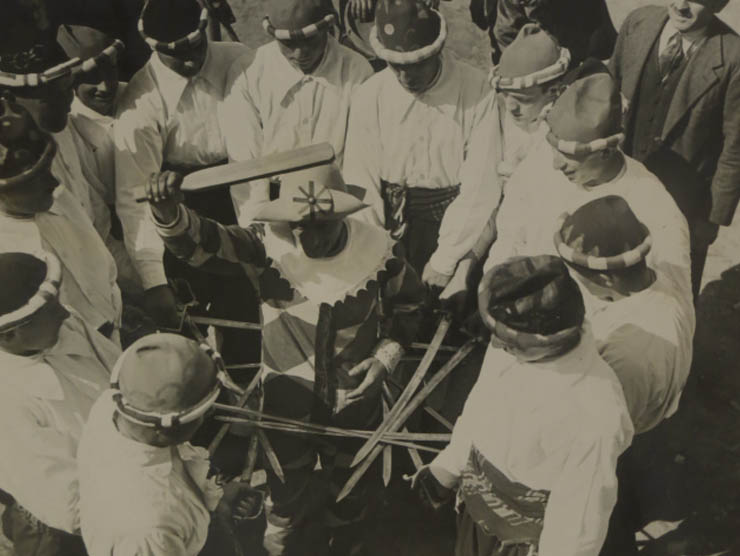
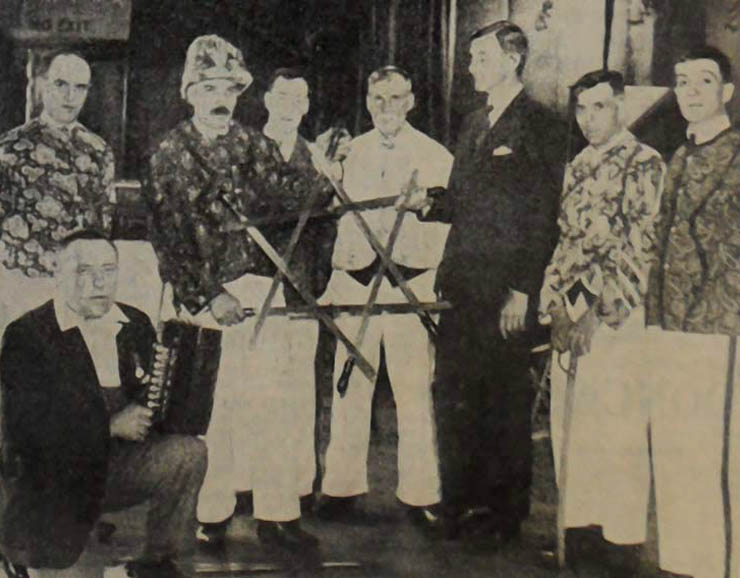
We then review the John the Baptist story, how Salome offers a very pleasing “Dance of the Seven Veils” to King Herod, receiving in gratitude for the performance, a reward of her choosing, Thanks to Salome’s mother, Herodias, the reward chosen is the head of John the Baptist’s. We learn a bit more Herodias, and hear a delightful tale (or tales) of divine punishment she received as well as her late medieval association with the folklore of witchcraft.
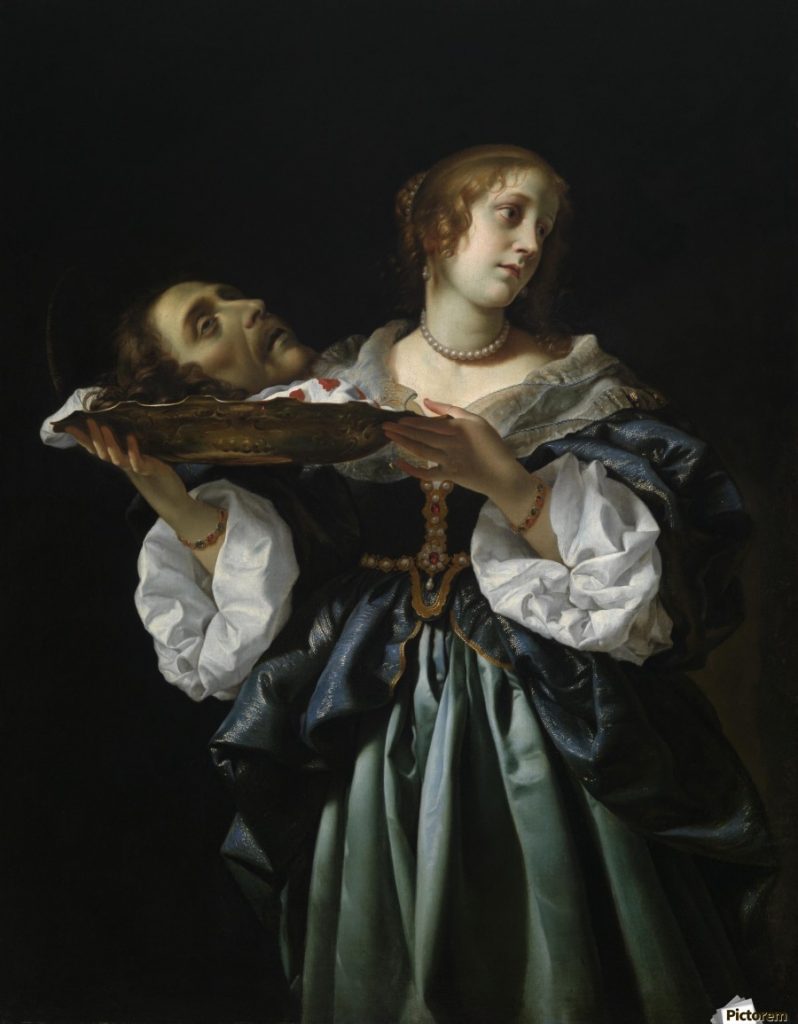
Next we move on the to the discussion of cephalaphores, or saints who suffer decapitation but stubbornly refuse to die, instead traipsing about holding their severed heads. We discuss the cephalaphores St. Denis, St. Edmund (who’s head was guarded by a remarkably tame wolf) and St. Winifred, better known for her holy well.
Listen Now
Love PodBriefly?
If you like Podbriefly.com, please consider donating to support the ongoing development.
Support Us