Episode Details
Back to EpisodesSaint, Devil, Sugar-bread and Whip
Description
The Krampus and St. Nicholas represent a folkloric duality embodying a mode of childrearing the Germans call “sugar-bread and whip” — in English, “carrot and stick.” In this episode, the first of three exploring the darker folklore of the season, we look at the Krampus’ origins in the old custom of Krampus and Nicholas house-visits and the older Alpine “Nicholas Plays.”
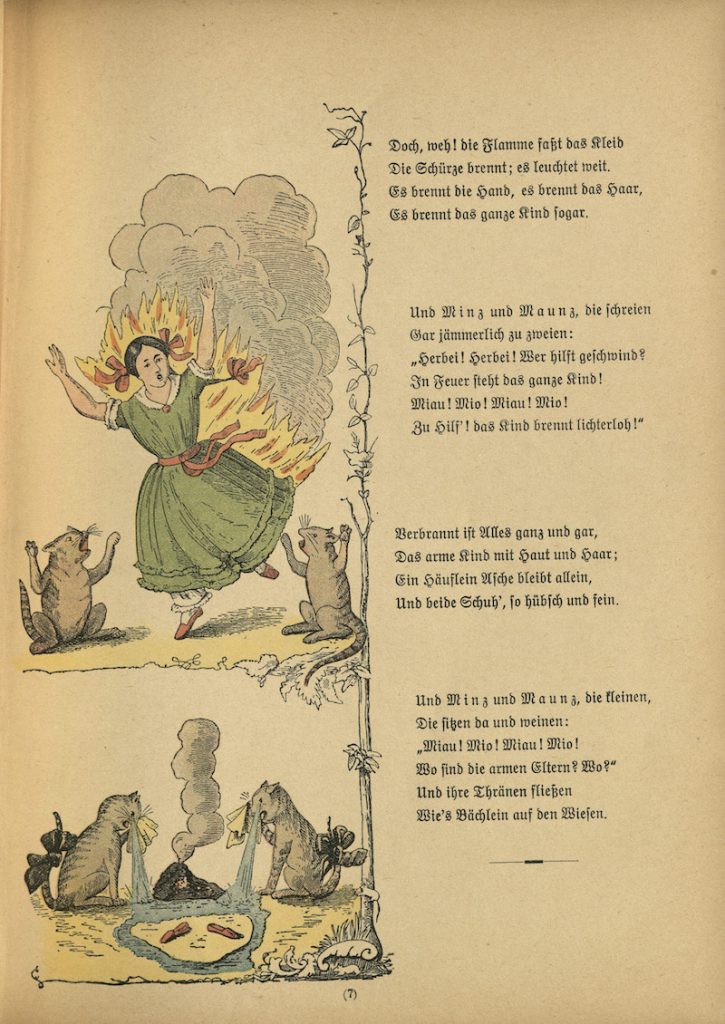
We begin our discussion with a consideration of the “sugar-bread and whip” literary example par excellence, Der Struwwelpeter, the 19th-century German children’s book in which “un-groomed Peter,” and other misbehaving children meet dreadful ends. An clip from a 1955 cinematic version of the story from Germany, and a bit of The Tiger Lillies’ “junk opera,” Shockheaded Peter is included.
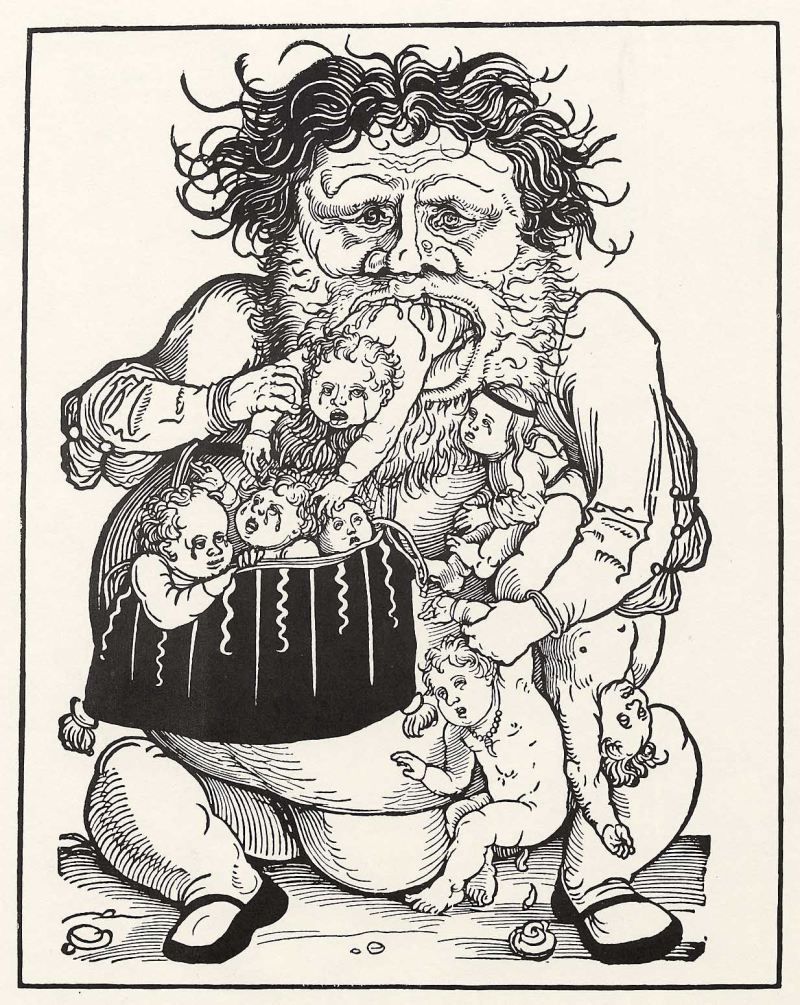
As the Krampus is, at root, simply a bogeyman, we discuss some early (and ghastly) images of German bogeymen from Carnival broadsides, which might be considered forerunners of the Krampus. The “Child-Eater Fountain” in Bern, Switzerland, a sculptural rendering of these same figures, is also mentioned.
A soliloquy delivered by a rhyming Krampus in an old 19th-century Alpine “Nicholas play,” introduces us to the figure. The verse is a translation from your host’s book The Krampus and The Old, Dark Christmas, as is much of the material in this episode.
https://vimeo.com/178244669
Next we discuss the source of the Krampuslauf (Krampus run) tradition in the old custom of house-visits made by costumed troupes consisting of a St. Nicholas, Krampuses, angel assistants to the saint, and an odd backwoodsy character called Körbelträger (basket carrier). Part of the visit discussed is small test of the children’s good character consisting of a performance for St. Nicholas of a memorized poem or song. A traditional song for this occasion is “
Listen Now
Love PodBriefly?
If you like Podbriefly.com, please consider donating to support the ongoing development.
Support Us