Episode Details
Back to EpisodesGhastly Saint Stories
Description
Our collection of ghastly stories of saints highlights notions of extreme self-mortification as a spiritual practice along with a preoccupation with the saintly body after death.
While these aspects of Catholicism are anathema to secular outsiders and jarring to many contemporary adherents, they’ve been embraced by the Gothic. We begin with an illustrative clip from John Huston’s 1979 adaptation of Flannery O’Connor’s Southern Gothic classic Wise Blood.
The case of 15th-century Florentine Maria Magdalena de’Pazzi provides an example in terms of extreme mortification from an early age. Wilkinson reads some passages noting her ingenious use of found materials in her program of suffering. Along the way, we note some more traditional tools of self-punishment like the cilice, or hair-shirt and its varieties.
Submission to the natural process can also be a form of mortification when it comes to the carnivorous habits of insects. We hear some stories in this regard from the hagiographies of Ita of Killedy, St. Macarius of Alexandria, as well as Rita of Cascia.
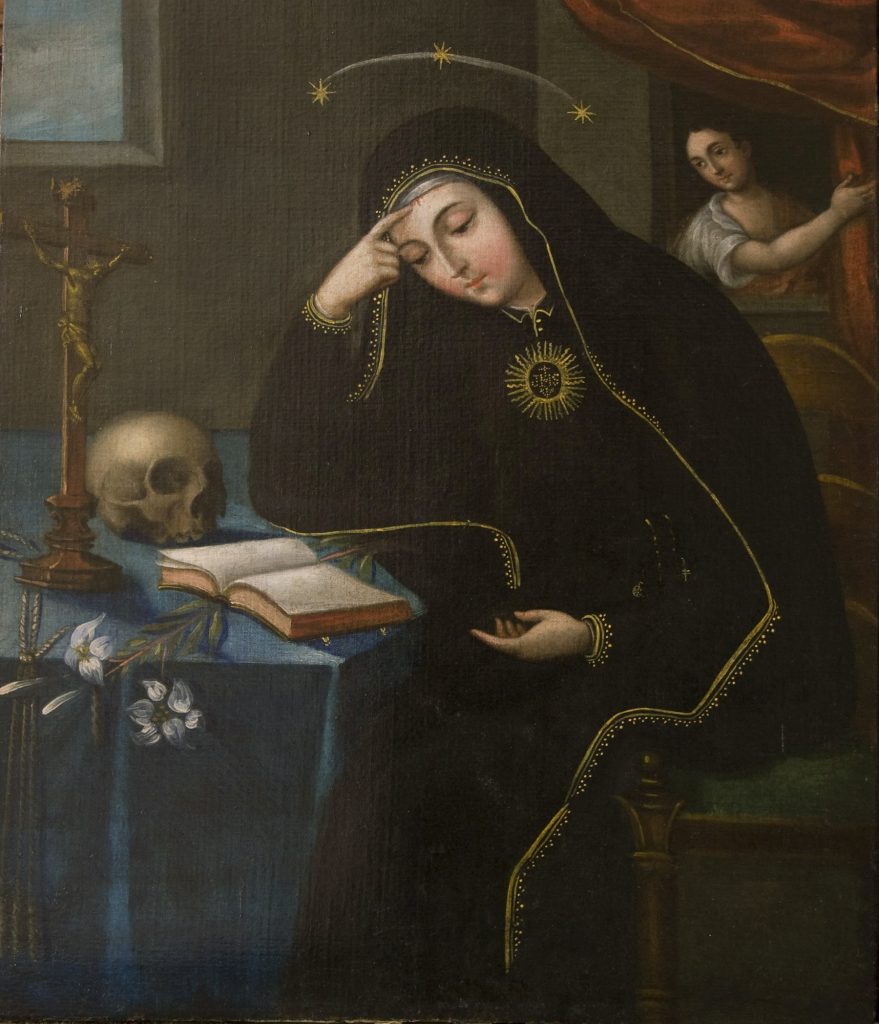
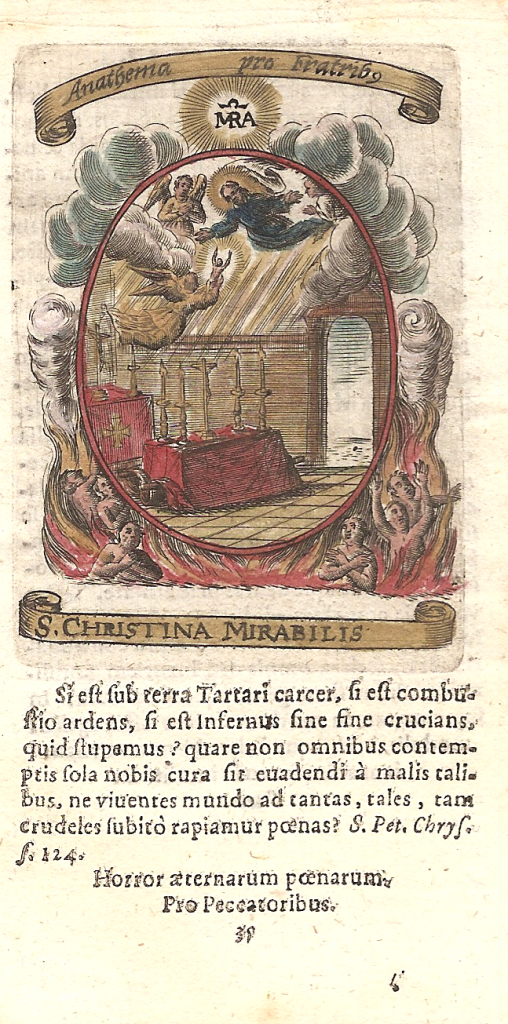
The story of Belgium’s holy woman Christina the Astonishing includes not only fantastical tales of self-destructiveness, but also her resurrection from death at the age of 21. Some listeners will be familiar with Christina from the song of that name by Nick Cave, from which we hear a clip. Christina’s ability to smell “the scent of human corruption,” we also learn, was shared by saints Joseph of Cupertino, Saint John of the Cross, and Gemma Galgani, to name a few.
Listen Now
Love PodBriefly?
If you like Podbriefly.com, please consider donating to support the ongoing development.
Support Us