Episode Details
Back to EpisodesDeath by Mother
Description
For Mother’s Day this year we examine murderous mothers and maternal instincts gone very, very wrong in folklore, legends, and ballads.
We begin with a look at the Latin American legend of La Llorona (“the weeping woman”). We begin with a snippet of the trailer from the recently released film The Curse of La Llorona and also hear a clip from a 1961 Mexican film released in the US as The Curse of the Crying Woman. We also here an alleged recording of La Llorona herself captured in one of many such user videos uploaded to YouTube.
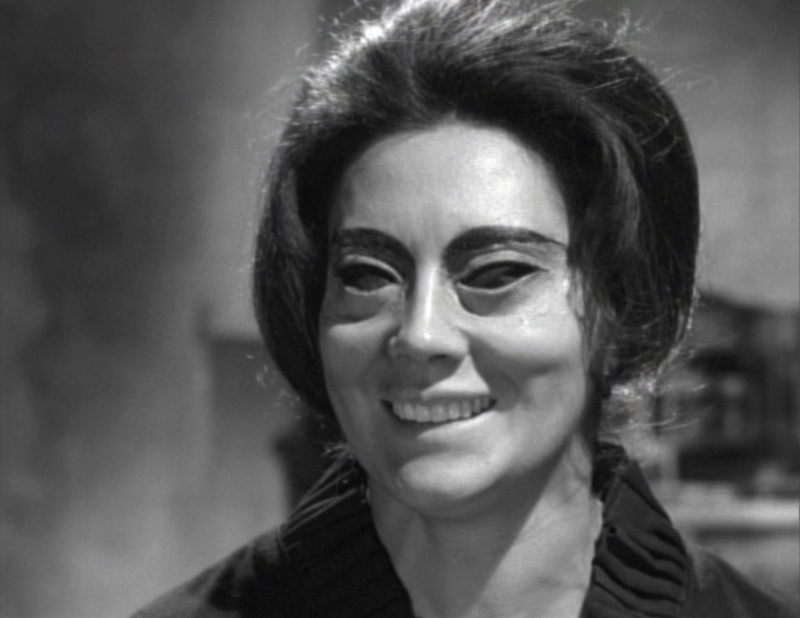
La Llorona’s story is that of a mortal woman who drowns her two children to avenge herself on faithless husband. In the afterlife she becomes a remorseful ghost and fearsome child-snatching bugaboo. We learn that this form of the legend is relatively modern, with the name “La Llorona” earlier attaching itself to a variety of tales that ascribe rather different motives and actions to the figure. Wilkinson reads for us a few of these earlier descriptions.
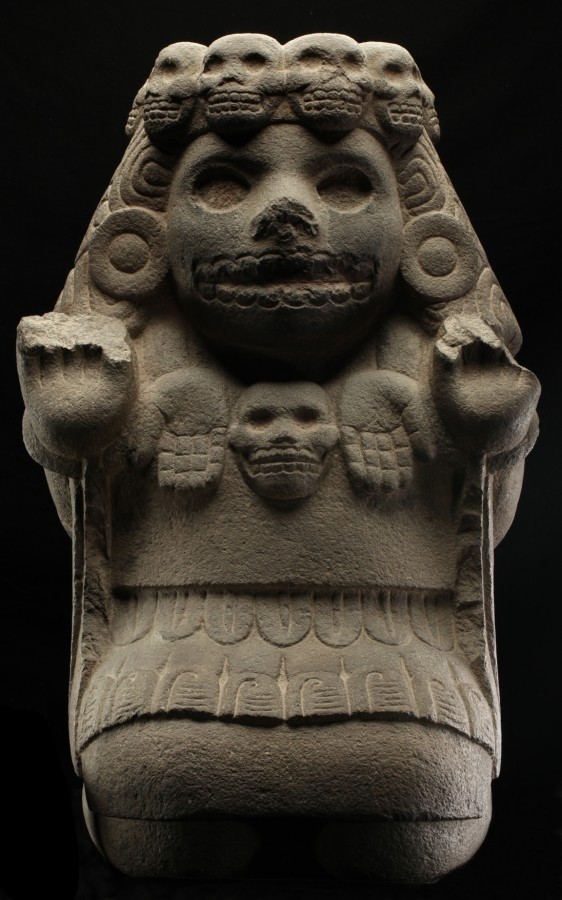
Next we have a look at some possible antecedents to the figure including the Aztec Cihuateteo (deified women who die during childbirth later becoming child-snatching spirits) as well as a water goddess Chalchiuhtlicue, a figure sometimes associated with drownings. Somewhat less credibly, a connection to tales brought by 19th-century German settlers in Mexico has even been suggested, namely that of the Weisse Frau (“White Lady”) who haunts the Hohenzollern Castle of Baden-Württemberg. She also does away with children in the context of a thwarted love relationship (in a particularly gruesome way).
Whatever the source of the Llorana legend, it is not difficult to find parallels. Our next example is the Greek myth of Medea, who kills the children she’s had with Jason to punish him for taking a new lover. Her revenge on her rival, Princess Glauke of Corinth, is also dreadful, and dreadfully interesting in the description Euripides provides in his play. We hear Wilkinson read this passage and also hear a snippet of dialo