Episode Details
Back to EpisodesGog, Magog, and the Bones of Giants
Description
This time we look at the myths of British giants Gog and Magog, and a belief in biblical giants seemingly confirmed by giant bones dug from the earth.
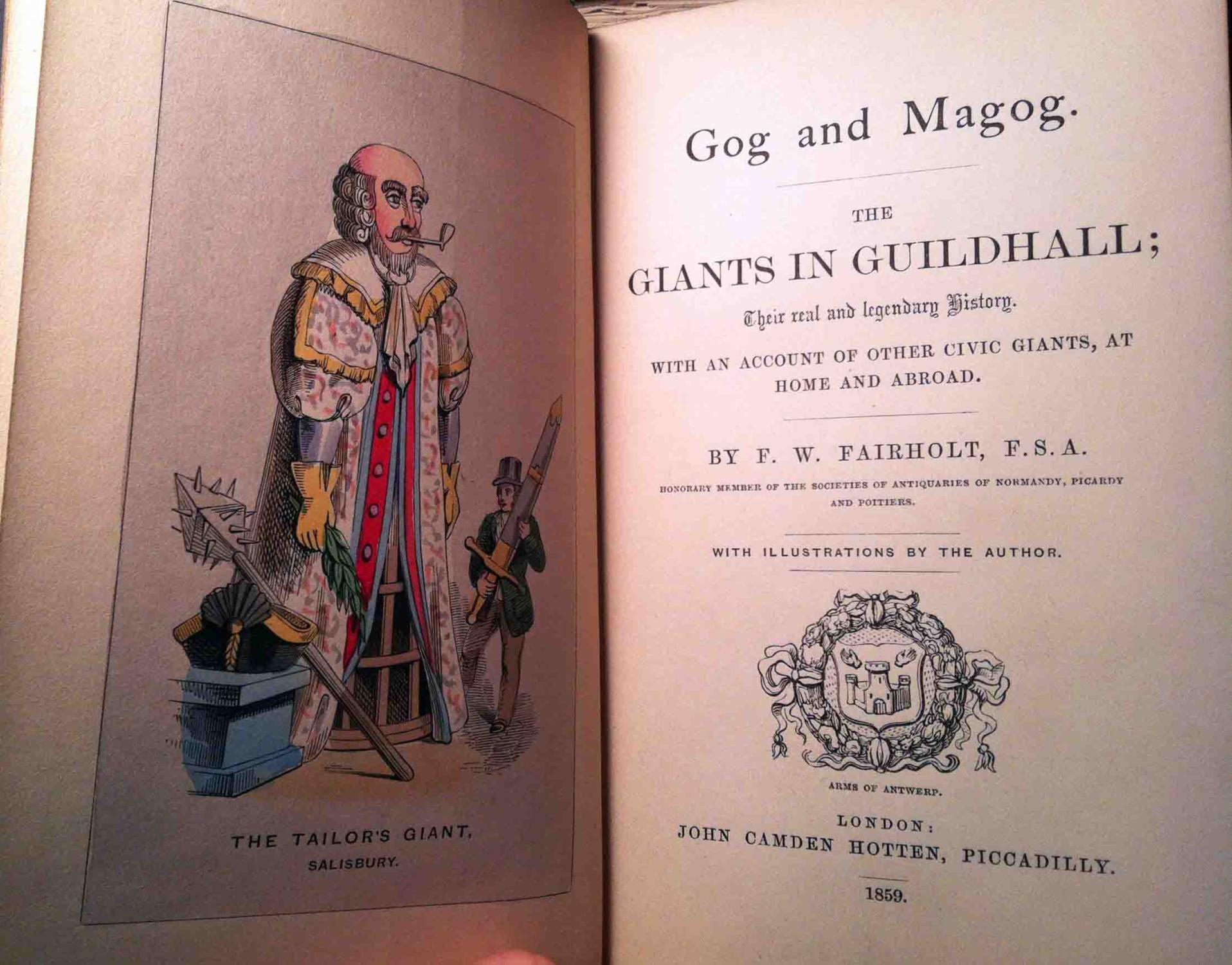
We begin with a 1953 newsreel welcoming reconstructed figures of Gog and Magog back to the London Guildhall after the Nazi bombing of the city destroyed the originals. While Londoners may know the figures as those paraded in the Lord Mayor’s show each November, we also look at a more American perspective on Gog and Magog as figures representing nations allied with the Antichrist from the biblical book of Revelation.
Our next stop in the Bible is a verse from Genesis Chapter 6, speaking of “giants in the earth in those days,” (before the Flood). The word “giant,” we learn, was chosen to translate the Hebrew “Nephilim.” Our Genesis passage suggests the Nephilim are the offspring of angels mating with human women, and this notion is reinforced by apocryphal texts, such as the Book of Enoch, which dubs these fallen angels “Watchers.” We hear a snippet featuring kindly Watchers from Darren Aronofsky’s 2014 film, Noah, which whitewashes the traditional understandings of the Watchers.
The word, “Nephilim,” we learn, literally means “fallen ones,” (“fallen” as in divine beings tainted by human hybridization.) The suggestion that they are physically large comes from another Genesis story in which Moses sends spies to the land of Canaan in preparation for a Hebrew invasion and receives a report on “Nephilim” who in size compare to men as men do to grasshoppers. We also hear some amusing stories of the biblical King Og, whose 13-foot bed is mentioned in the book of Deuteronomy.
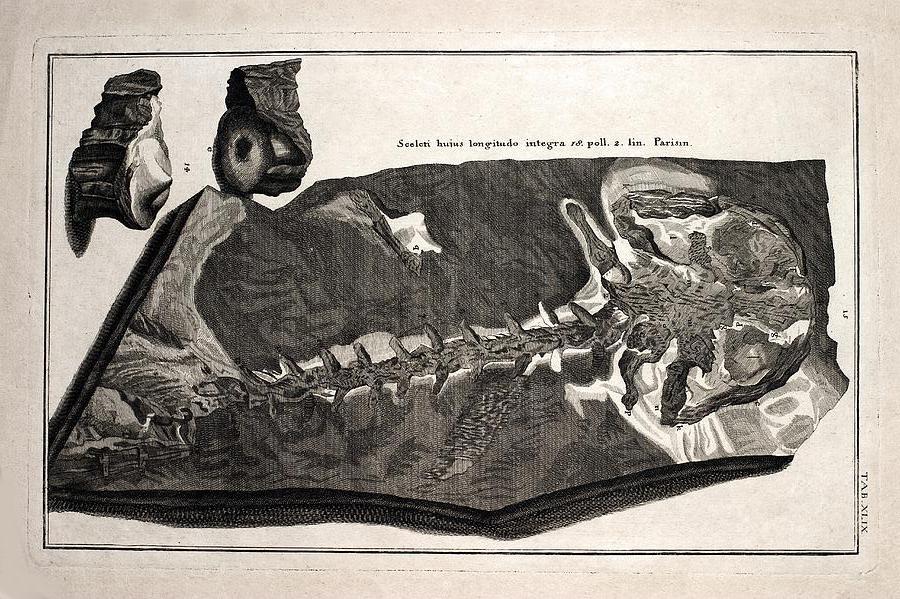
Next follows a quick survey of the bones of prehistoric animals mistaken for the bones of biblical Nephilim (or St. Christophe