Episode Details
Back to EpisodesGhosts from Purgatory
Description
Hear how notions of Purgatory influenced medieval ghost stories, the tradition of All Souls’ Day, and a Neapolitan “cult of skulls.”
We set the scene with a clip from “The Lyke Wake Dirge,” a 14th–century British song sung or chanted as a sort of charm over the body of the deceased in the night before burial. It describes the perils confronted by the soul during its journey into the afterlife, describing a “thorny moor,” and “Bridge of Doom,” which must be traversed to arrive in a none-too-friendly Purgatory.
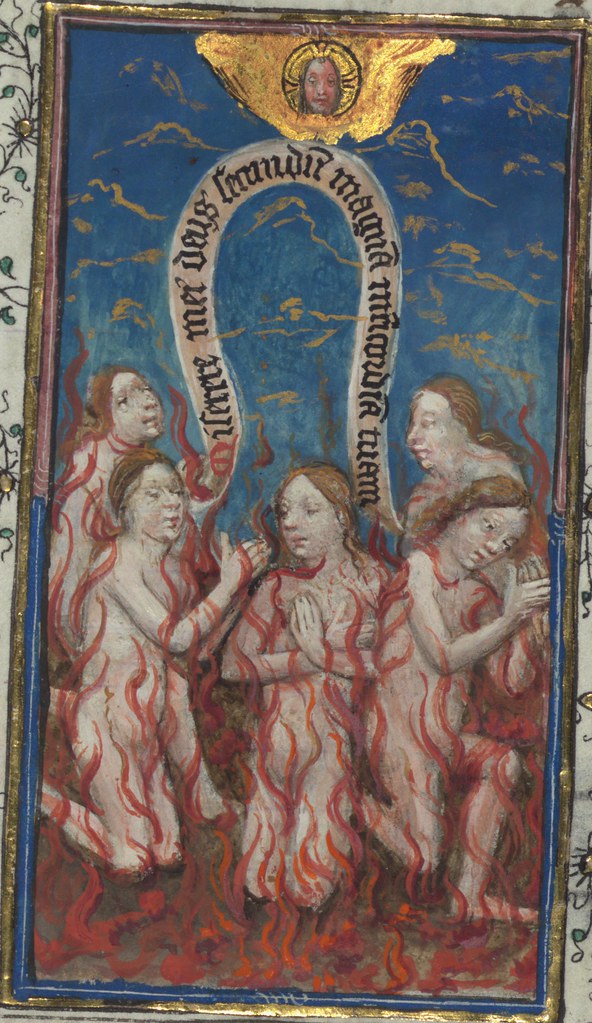
We take a moment to review the historical Catholic concept of Purgatory, one usually associated with fire and torment, albeit of a temporary rather than everlasting nature and geared toward the further purification of the soul bound for Heaven.
Gregory the Great, the 6th-century pope, is one of the earliest influences on the notion of Purgatory offering as evidence a ghost story of a wicked bishop condemmed to haunt the baths. We also hear of a grisly apparition of Gregory’s dead mother that supposedly appeared in a church where, legend has it, Gregory was saying mass.
From the 8th-century English chronicler Bede, we hear of a man named Drythelm who is granted a vision of Hell, that is “not the Hell you imagine,” (i.e., Purgatory instead) and of the Irish saint. Fursey, who was flown by an angel over purgatorial fires, where a surprising encounter with a demon provides him a curious souvenir.
St. Patrick went one better than ghost stories, at least according to legend. With a tap of his bishop’s crook, he’s said to have cracked open the earth to reveal a gateway to Purgatory itself, all in an effort to convert those stubborn pagans who wanted something a bit more concrete to validate the gospel. A variety of medieval legends chronicle adventures through this underworld, and the site (though not the cave itself) is still open to visitors to a tiny Irish island in Loch Dergh (“the lake of the cave.”)
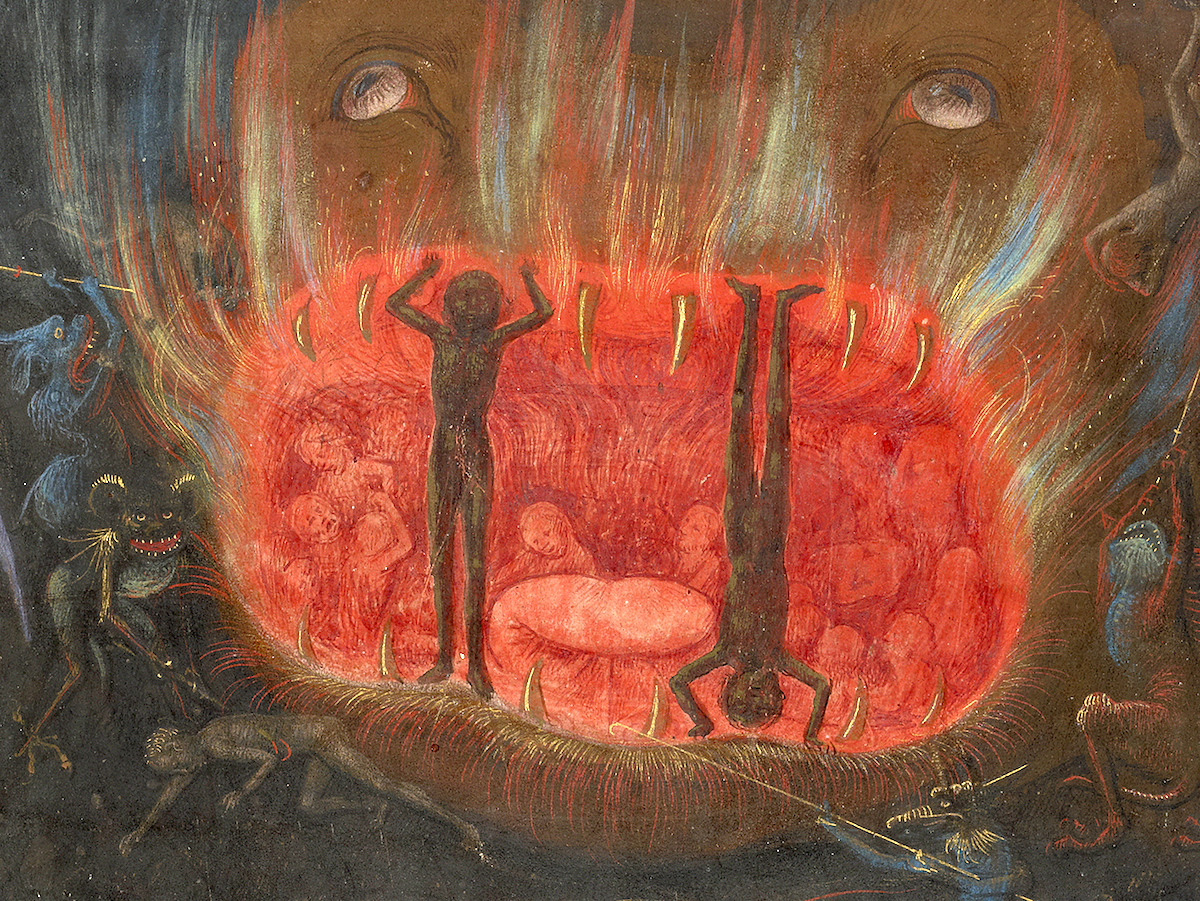
Though it’s not specifically Purgatory, descriptions of hellish torments identical to those that might be experienced there are particularly plentiful in the 12th-century Irish text The Vision of Tondal. Mrs. Karswell reads for us all the best passages.
Listen Now
Love PodBriefly?
If you like Podbriefly.com, please consider donating to support the ongoing development.
Support Us