Episode Details
Back to EpisodesWalled Up Alive
Description
Walling up a living victim, or immurement, has been used both as a punishment and for darker, magical purposes. In this episode, we detangle the history from the folklore of this grisly act.
We begin with an instance of immurement from Edgar Allan Poe’s 1846 story “The Cask of Amontillado” (including a clip from a dramatization in 1954 radio show, Hall of Fantasy) and also get a glimpse of director Roger Corman’s freewheeling use of this element from Poe his 1962 anthology film, Tales of Terror, as well as 1961’s The Pit and the Pendulum.
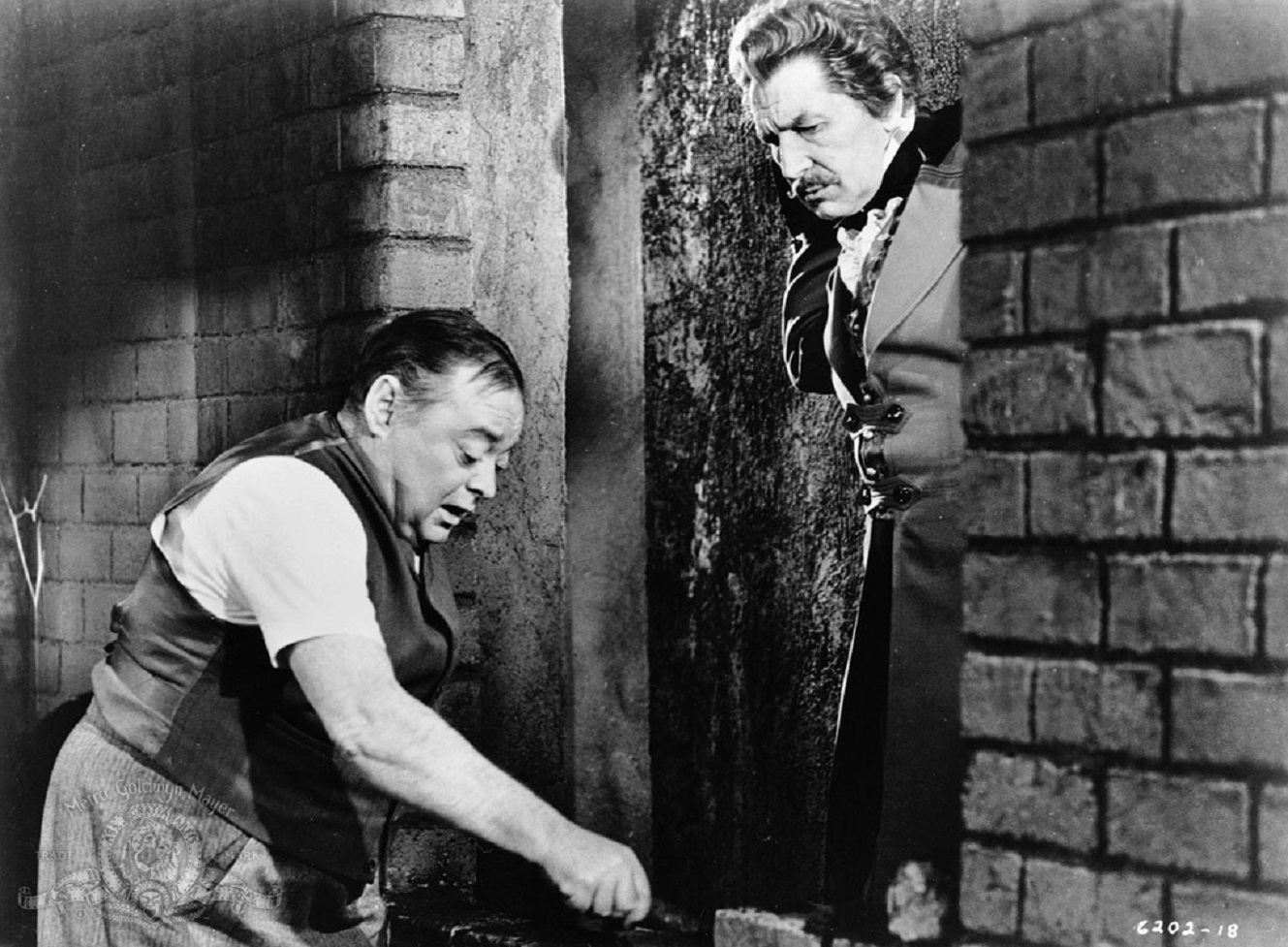
Poe’s interest in immurement is typical of Gothic writers and their fascination with crypt-like spaces, often including the cells and catacombs within Catholic churches and monastic communities. Tales of immured nuns, abbots, and abbesses are particularly common, with the deed understood most typically as a punishment for unchastity but also occasionally for other outrageous deeds or teachings (including a case of dabbling in the black arts). We have a look at some cases in which actual immured skeletons were said to have been discovered in religious communities and then consider the lore explaining their presence. We also look at ways in which writers like Sir Walter Scott and H. Rider Haggard blurred the line between historical and literary stories.
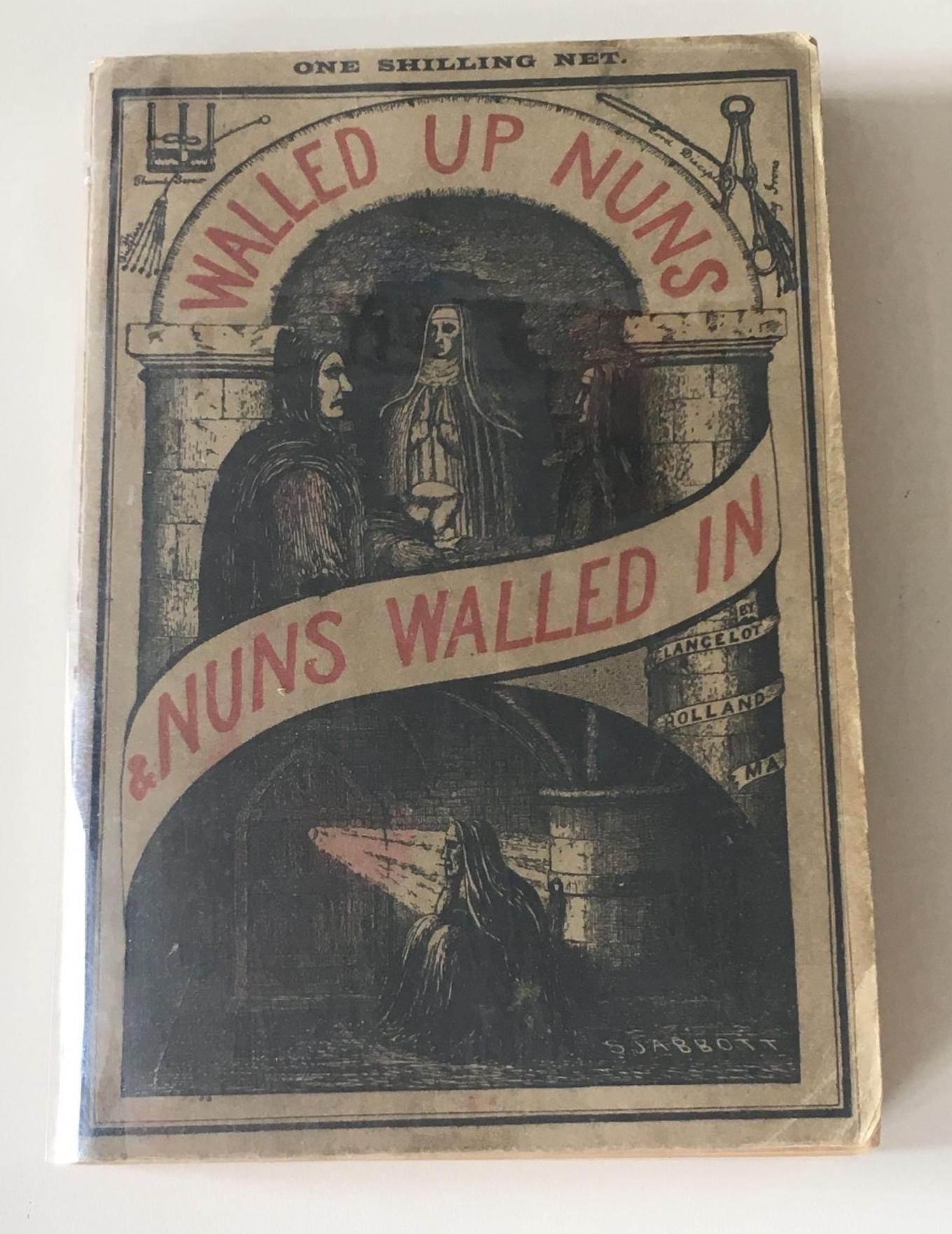
It’s likely that tales of nuns immured for unchastity were particularly prevalent as they echo the fate of Rome’s Vestal Virgins who failed to protect their virginity. We hear some details of immurements, not only from ancient Rome, but also Greece as well as a particularly gruesome account read by Mrs. Karswell describing an ancient Assyrian revenge spree featuring immurement.
Listen Now
Love PodBriefly?
If you like Podbriefly.com, please consider donating to support the ongoing development.
Support Us