Episode Details
Back to EpisodesToad Magic
Description
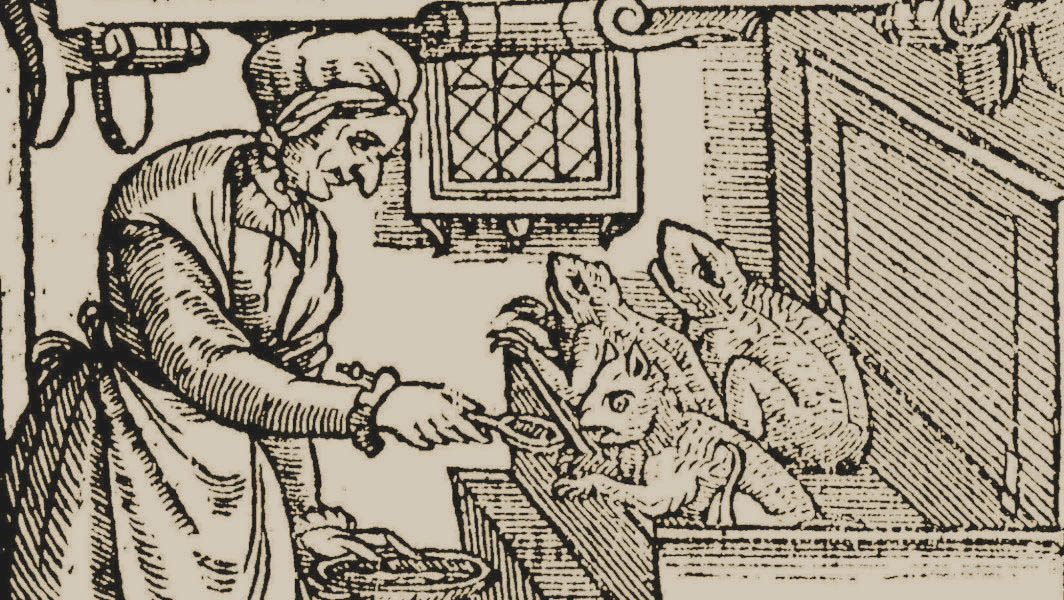
Toads have long been associated with magic, as witches’ familiars and as a source both of poison as folk healing.
We begin with a poison allegedly brewed from a toad by the “wise wife of Keith,” Agnes Sampson, one of the accused in Scotland’s North Berwick witch trials in 1591-2. The poison was to have been used against Scotland’s James VI before he ascended England’s throne as James I. At the center of the trial was the accusation that Sampson and others had raised a storm to sink the ship bearing James home from Oslo with his new wife Anne of Denmark.
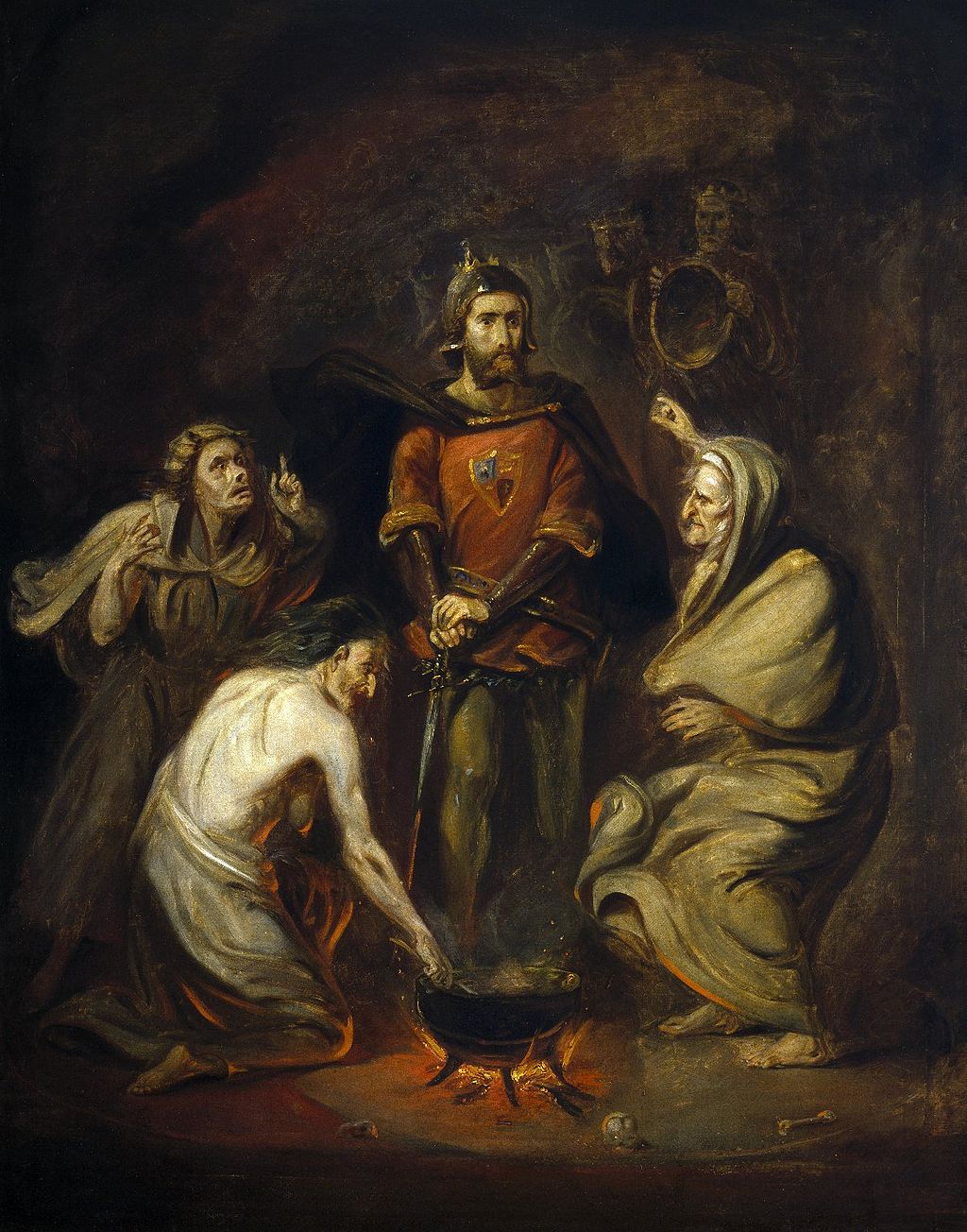
Shakespeare seems to allude to elements from this trial in his play Macbeth, mentioning toads and frogs as elements of the concoctions brewed by his witches in Act IV and seemingly referencing the events in an aside uttered by a witch regarding sending a storm against an enemy’s ship. The Bard’s inclusion of “real” witchcraft in his play has long been said to be the reason for a “curse” upon productions of Macbeth. Included in our discussion is a particularly ugly (and lethal) 1848 incident in New York City attributed to this bit of lore.
A witch’s servant, or familiar, in the form of a toad is also alluded to as an offstage character in Macbeth. Mrs. Karswell reads for us a number of accounts from 16th and early 17th century England presenting toad familiars sent to torment the enemies of witches. We also hear of a toad exploding in a fire, and toads sustained on the blood of their witch mistresses, as well as a sad story from Newmarket, England, involving William Harvey, physician to Charles I, and an bruitish attempt to subject an alleged toad familiar to scientific scrutiny.