Episode Details
Back to EpisodesBottled Spirits: Imps, Devils, Ghosts
Description
Western tales of bottled spirits, imps, devils, and even ghosts are largely borrowed from the Islamic and Jewish legends of jinn captured by King Solomon. In this episode, we explore how this is expressed in folk tales, demonological treatises, and literary borrowings.
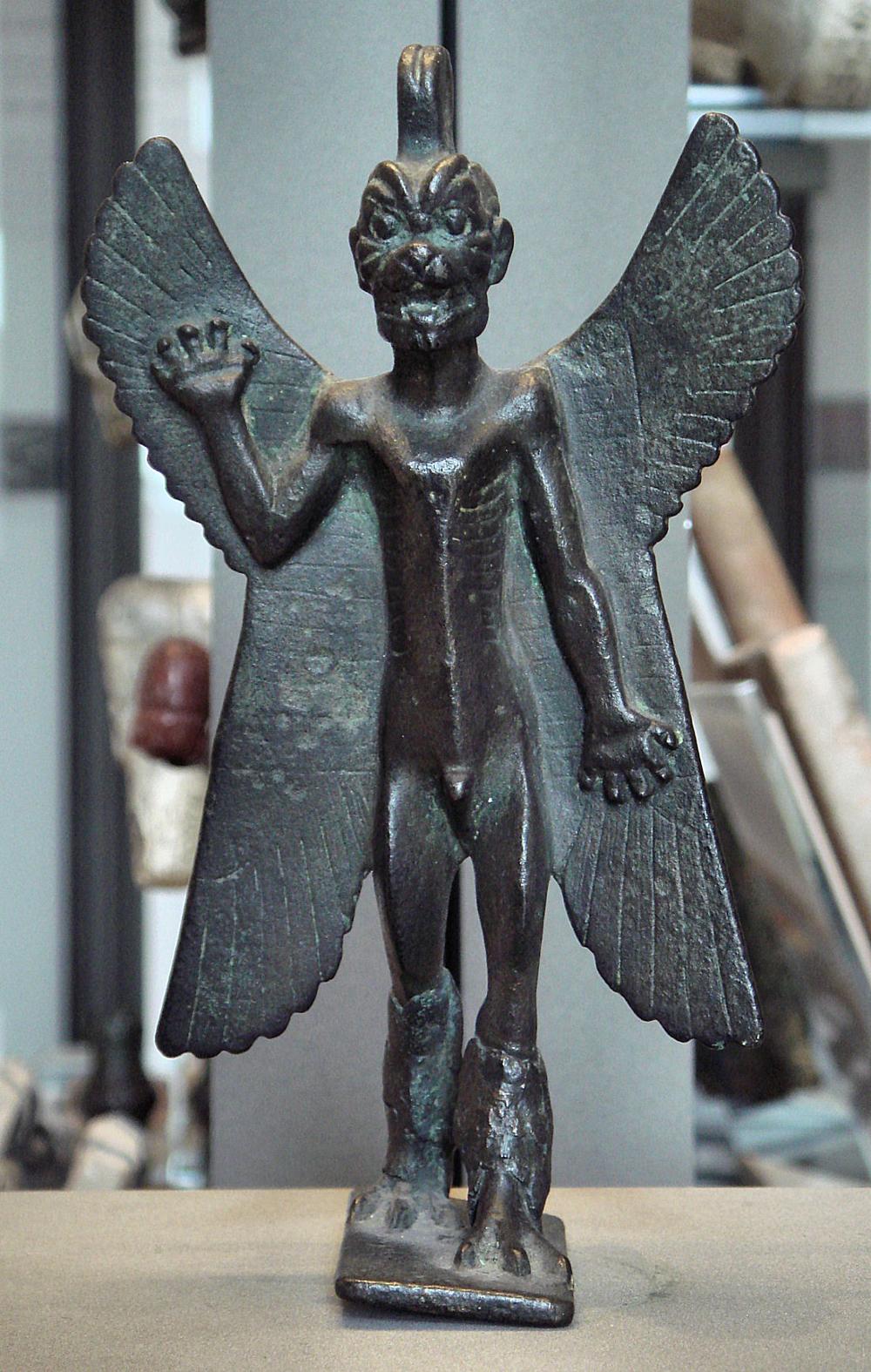
We begin with a nod to the Assyrian god Pazuzu (and a clip from Exorcist II, The Heretic.) Here, aconnection between feared Assyrian spirits such as the jinn is mentioned. Pazuzu’s identity as a spirit of ill winds, brings us to a wind-related track from the original Exorcist soundtrack (from 1972’s oddball album Songs from a Hill.) It’s a recording of a wind harp, or Aeolian harp. And this brings us to the Greek god of winds, Aeolus.
Aeolus features in the Odyssey in an episode that anticipates our bottled spirit motif. He presents Odysseus a bag of wind to speed him on his journey. The wind spirits contained in this bag then brings us to a story about King Solomon trapping a wind demon in Arabia to aid him his construction of the Jerusalem Temple. We hear this particulsar tale from the medieval text, The Testament of Solomon read by Mrs. Karswell.
We then look a bi from further medieval texts commenting on Solomon’s capture of demons in various vessels, and how thesee are later broken open by heedless conquerors of Jerusalem, releasing a Pandora-style plague of demons upon the world.
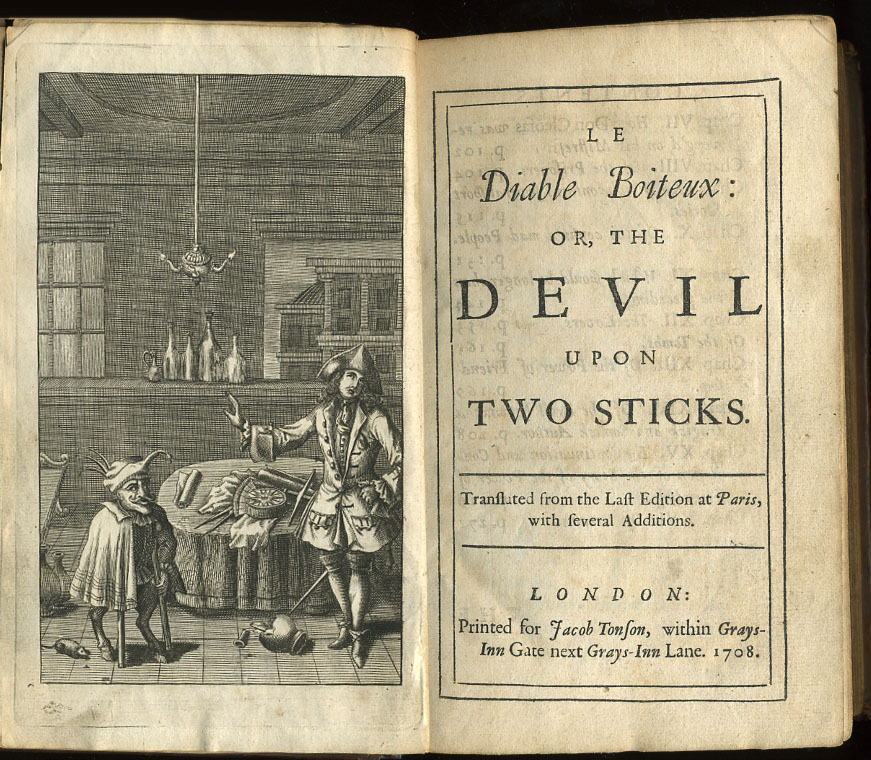
Our motif entered the literary world via 17th-century Spain, in Luis Velez de Guevara’s satirical novel El Diable Cojuelo, “the lame devil.” We also hear a bit about a French adaptation, Alain-René Lesage’s 1707 novel, Le Diable Boiteux. Both of these feature the demon Asmodeus, and referenced Asmodeus’s identity as demon of lust, a notion taken up in various demonological treatises.
Listen Now
Love PodBriefly?
If you like Podbriefly.com, please consider donating to support the ongoing development.
Support Us