Episode Details
Back to Episodes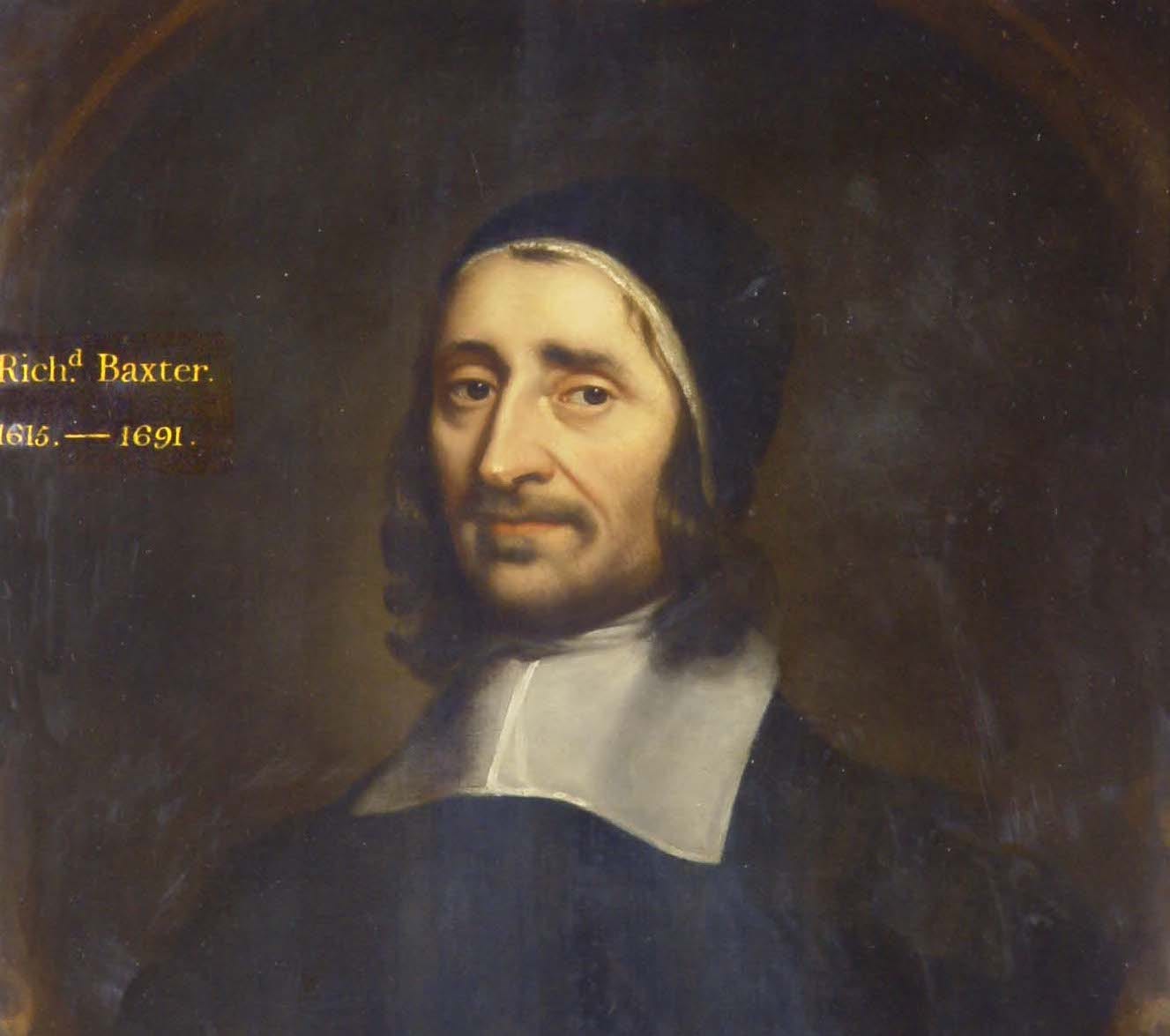
How to grow left-lookers
Description
A special welcome to the new partners who have signed up in the last week or two. Great to have you as part of the conversation.
I suggested in last week’s post that perhaps the key moment in the growth of Christian disciples is when we start to look left:
I lift my head up, and open my eyes, and see the multitudes all around me that need to move to the right—to take steps towards knowing Christ or growing in Christ. And I realise that God has called me, in my own weak and faltering way, with my own particular relationships and opportunities, to help those people take one step in that rightward direction.
The more we move right, the more we look left, and long to see others take a step to the right.
The question we left hanging was simple enough: How does this happen? How do I become that sort of ministry-hearted person?! And (as a leader) how do I see more of those sorts of left-looking people emerge in the congregation?
The answer is simple but not easy.
If this looking-leftness is a function of moving-rightness, then we already know how God moves people to the right—it’s through what the Reformers called the means of grace and what we in our love of alliteration call the four Ps (Presenting the Word, Prayerfully, in and through People, Persevering in Practice over time). These are the means God gives us for spiritual growth. There are no others.
So to see more people become left-lookers, just prescribe the four Ps, twice daily after food, and all will be well.
To which you might say, “Well we’ve been doing that already, and the patient isn’t showing much improvement! We preach the word and pray and so on, but there still seem to be lots of people who are stuck in a complacent, self-focused Christianity. Isn’t there a special pill for those people?!”
Well, yes and no. Two important further points need to be made.
Firstly, while the treatment is never anything other than the four Ps, the four Ps aren’t uniform or one-dimensional. The ‘whole counsel of God’ is rich and multi-faceted, and we apply different aspects and implications of it to different people at different times. That’s what ‘moving each person one step to the right’ really means—meeting each person where they are, and applying the word of God to them in their particular circumstance, with its particular implications and outworkings. There is an order to the teaching—basic principles followed by meatier instruction. And this also intersects with the different levels of maturity and understanding that each person has. As Richard Baxter puts it (riffing on Hebrews 5:11-14):
The ministerial work must be carried on prudently and orderly. Milk must go before strong meat; the foundation must be laid before we attempt to raise the superstructure. Children must not be dealt with as men of full stature. Men must be brought into a state of grace before we can expect the works of grace from them. (The Reformed Pastor, II.2.3)
At some point in the growth of every Christian it’s time to ‘move them to the right’ in this specific area—that is, to help them see that they are not just disciples but also disciple-makers; to teach them about the privilege and joy that every Christian has in seeking to move everyone around them to the right through the four Ps, within the amazing plan of God. How will Christians know and embrace this wonderful truth if they are not taught it?
This teaching can and should happen within the course of regular Sunday preaching, as we teach people of God’s extraordinary purposes in Christ, and as we expound those passages that particularly speak of our part in that plan.
However, occasional references in sermons won’t be sufficient. We need to bring this particular word to the people who need to hear it, and take the time to help th