Episode Details
Back to Episodes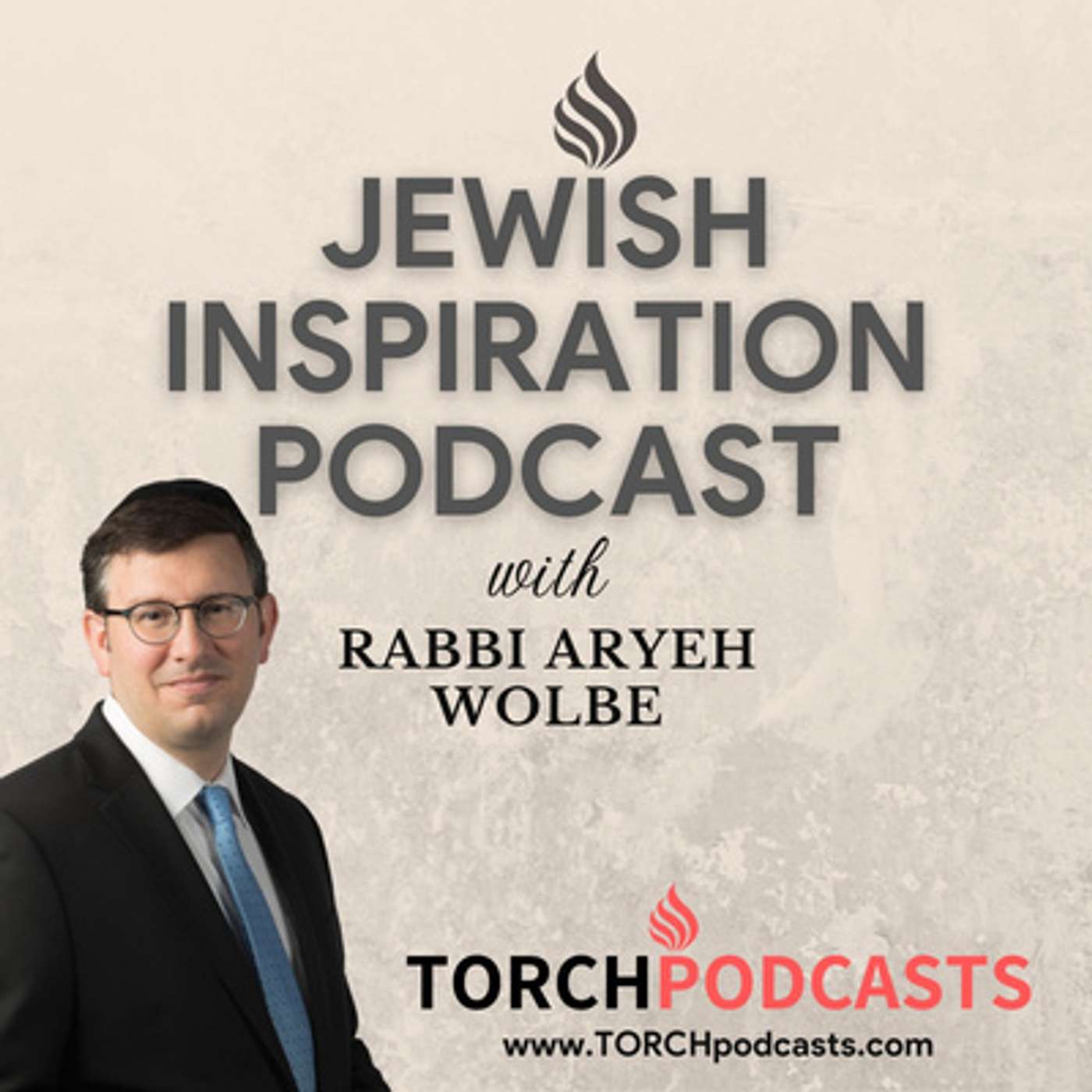
Way 15: The Oral Torah – Turning the Torah’s “What” into Practical “How”
Description
In episode fifteen of the 48 Ways series during the Omer, Rabbi Aryeh Wolbe teaches B'Mishnah (B’Torah Sheb’al Peh) — “with the Oral Law.” The Written Torah (Tanakh) tells us what to do, while the Oral Torah tells us how to do it. The two are inseparable; one cannot be properly understood without the other. The Mishnah and Talmud form the core of the Oral Law, brilliantly written in a discussion/argument format to inspire deep conversation and analysis rather than simple rule-listing.
Rabbi Wolbe explains that the Mishnah often presents multiple opinions, and even when one is followed halachically, the others are not “wrong” — they simply represent different valid approaches or are not applied in practice (similar to Supreme Court decisions). The Oral Law elaborates on the concise Written Torah, providing details for mitzvot such as how to slaughter animals, what a mezuzah is and where/how to place it, the laws of tefillin, and the 39 categories of prohibited labor on Shabbos (derived from the work of the Tabernacle).
He stresses the importance of firm belief in the authenticity and direct transmission of the Oral Torah from Sinai. Torah can be understood on four levels (Pardes):
- Pshat — literal meaning (Rashi’s commentary),
- Remez — hinted meanings,
- Derush — homiletic/midrashic applications to life,
- Sod — hidden mystical meanings (Zohar).
Practical guidance includes mastering the Mishnah to unlock deeper insight, reviewing and knowing Torah by heart, writing down insights, and constantly integrating them into life. The Oral Law is the complete encyclopedic dictionary of living that complements the Written Law and serves as the source for the 48 Ways themselves.
Rabbi Wolbe addresses how to begin learning: start with whatever is accessible (Chumash, storybooks about gedolim, Gateway to Judaism, etc.), then organize a systematic approach — reading the Chumash sequentially, moving into Mishnah, Midrash, and Talmud. He encourages annual new learning goals and notes that even simple inspiration from the lives of Torah giants can ignite passion for study.
_____________
Recorded in TORCH Centre - Studio A on May 10, 2022, in Houston, Texas.
Released as Podcast on June 2, 2022
The 49 days we count between Pesach (Passover) and Shavuot are an exciting time for powerful and impactful change. The Mishna (Avot 6:6) teaches us 48 masterful tools and ways to maximize life and get the most out of each day.
_____________
Listen, Subscribe & Share:
- Apple Podcasts: https://podcasts.apple.com/us/podcast/jewish-inspiration-podcast-rabbi-aryeh-wolbe/id1476610783
- Spotify: https://open.spotify.com/show/4r0KfjMzmCNQbiNaZBCSU7) to stay inspired!
Share your questions at aw@torchweb.org or visit torchweb.org for more Torah content.
_____________
About the Host:
Rabbi Aryeh Wolbe, Director of TORCH in Houston, brings decades of Torah scholarship to guide listeners in applying Jewish wisdom to daily life. To directly send your questions, comments, and feedback, please email: awolbe@torchweb.org
_____________
Support Our Mission:
Our Mission is Connecting Jews & Judaism. Help us spread Judaism globally by sponsoring an episode at torchweb.org.
Your support makes a HUGE difference!
_____________
Listen More
Other podcasts by Rabbi Aryeh Wolbe:
- NEW!!