Episode Details
Back to Episodes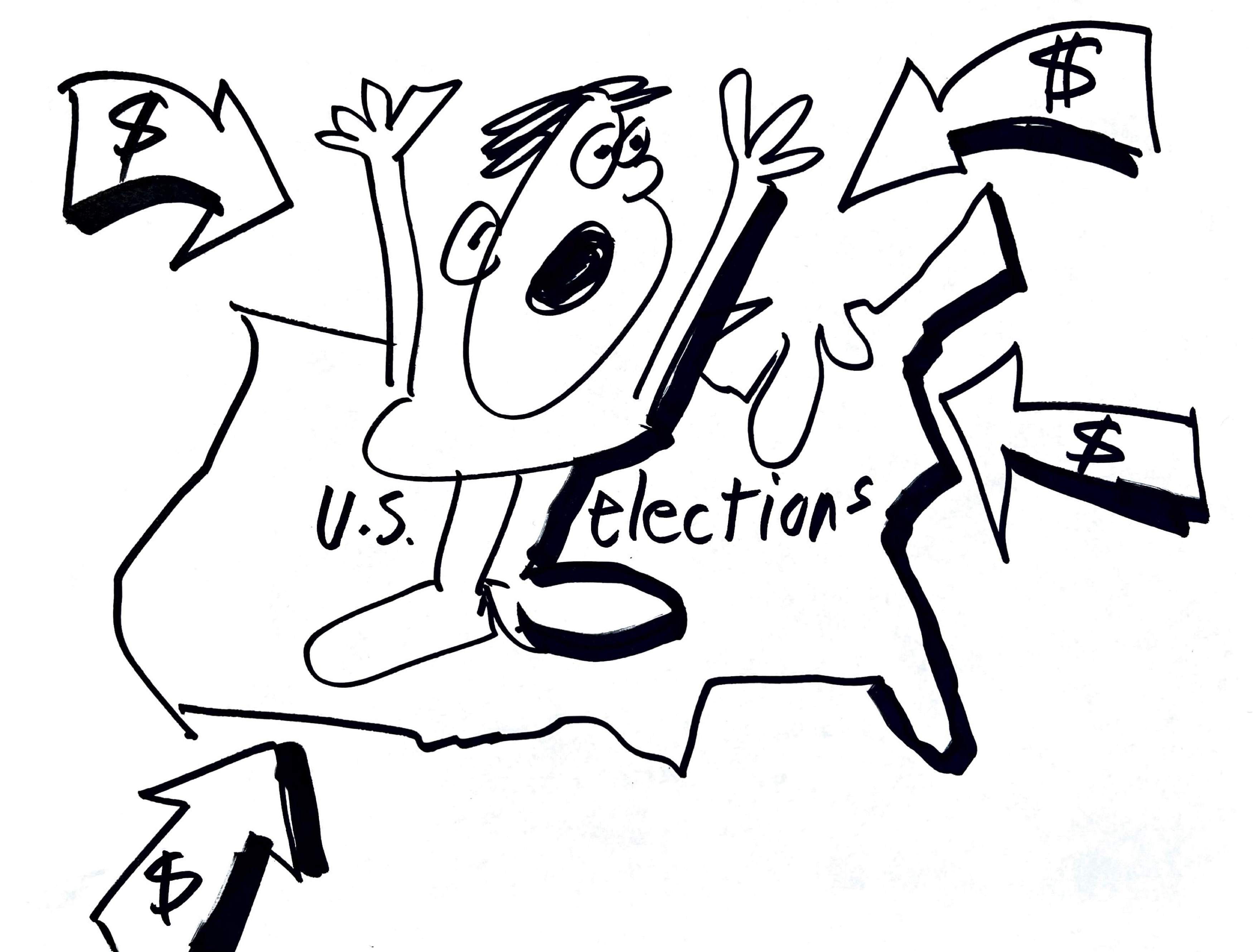
How Russian oligarchs, the Saudis, and China are swaying American elections
Description
Hello friends,
In 2017, Donald Trump repeatedly lied that between 3 and 5 million unauthorized immigrants had voted for Hillary Clinton. In the last few weeks, Trump has resurrected his lie during campaign rallies for the Republican primary candidates he has endorsed — whipping up fears of “open borders and horrible elections,” and calling for stricter voter ID laws and proof of citizenship at the ballot box.
Trump endorsees have been amplifying the lie. J.D. Vance, the Trump-backed winner of last week’s Ohio Republican Senate primary, claimed that President Biden’s immigration policy has resulted in “more Democrat voters pouring into this country.”
In fact, voter fraud is exceptionally rare, and claims that widespread numbers of undocumented immigrants are voting have been repeatedly discredited.
There is a problem of foreigners influencing American elections, however — a problem that has nothing to do with immigrants or fraudulent voting.
The problem is foreign money flowing into U.S. campaigns.
Some of the flow is illegal. Last October, Lev Parnas, a Florida businessman who helped Rudy Giuliani’s effort to dig up dirt on Joe Biden in Ukraine, was convicted of funneling a Russian entrepreneur’s money to U.S. politicians.
The real scandal is how much foreign money flows into U.S. elections legally.
The Supreme Court’s 2010 decision in Citizens United v. Federal Election Commission opened the gates. It allows foreigners to influence U.S. elections through their investments in politically active American corporations.
The (then) five-justice conservative majority said that when it comes to political speech, the identity of the speaker is irrelevant, and that more speech is always better. In dissent, Justice John Paul Stevens argued that the logic of the Court’s ruling would allow foreign spending on American elections, threatening American interests. Stevens was right. If the identity of the speaker doesn’t matter and more speech is always better, what’s to stop foreign spending on U.S. elections?
Non-Americans whose money is now flowing into American campaigns — mostly into those of Republican candidates — include Russian oligarchs, the Saudi royal family, European financiers, Chinese corporate conglomerates, and many other people and organizations that owe their allegiance to powers other than the United States.
This growing problem emerges from three realities:
First, foreign investors now own a whopping 40 percent of the shares of American corporations. That’s up from just 5 percent in 1982.
Second, American corporations are spending hundreds of millions of dollars to influence elections — not counting their separate corporate political action committees or personal donations by executives and employees. Much of this spending is through dark money channels that opened after the Citizens United decision.
Third, by law, corporate directors and managers are accountable to their shareholders, including foreign shareholders — not to America. As the then-CEO of U.S.-based Exxon Mobil Corp. unabashedly <