Episode Details
Back to EpisodesThe Seeress: Germanic Tribes, Vikings, and Witches
Description
In pagan Germanic cultures, the seeress played an extremely important role, not only as a clairvoyant, but also often fulfilling the role of a priestess, wisewoman or witch.
We begin with a short clip from Robert Eggers’ The Northman, in which Björk plays a seeress. Old Norse words used to describe this role include spákona, or völva (pl. völvur, völur) — the last meaning “staff bearer,” as a staff was a signifying attribute of the völva, one possibly also used as a magic wand. Staffs discovered in graves of certain high-status women, as suggested by luxurious grave goods, suggest these individuals may have been völvur. We hear some details regarding such discoveries in Denmark and Sweden.
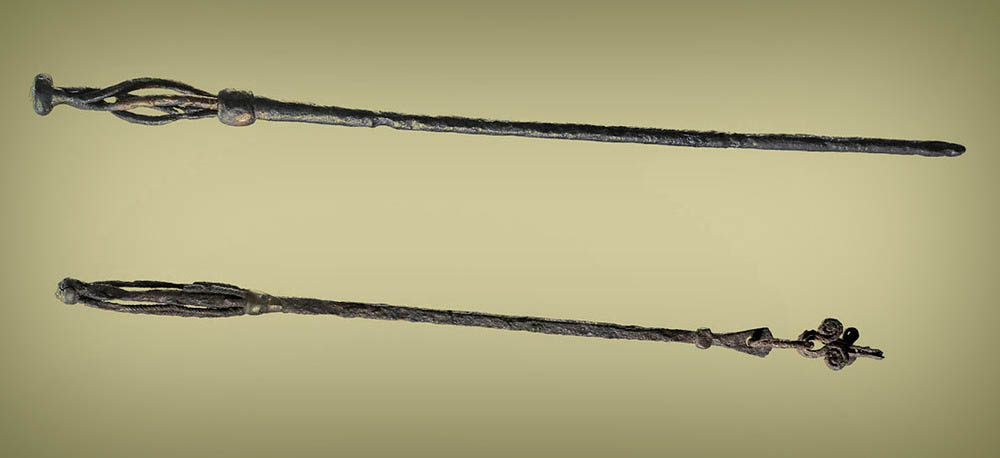
Next we provide a quick overview of the Nordic magic that may have been part of the völva‘s repertoire. Two Old Norse designations for witchcraft are galdr and seiðr (Anglicized as seidr). The latter has more to do with spoken or sung charms, and the latter most prominently with control of mental states but can also involve manipulation of physical realities.
We also address briefly the notion that, like the sibyls of the Classical world, the völva likely entered a trance in order to produce her utterances. Drumming is popularly associated with this, as it is central to the shamanic practice of the Sammi people on the northern and eastern fringes of Scandinavia and Lapland.
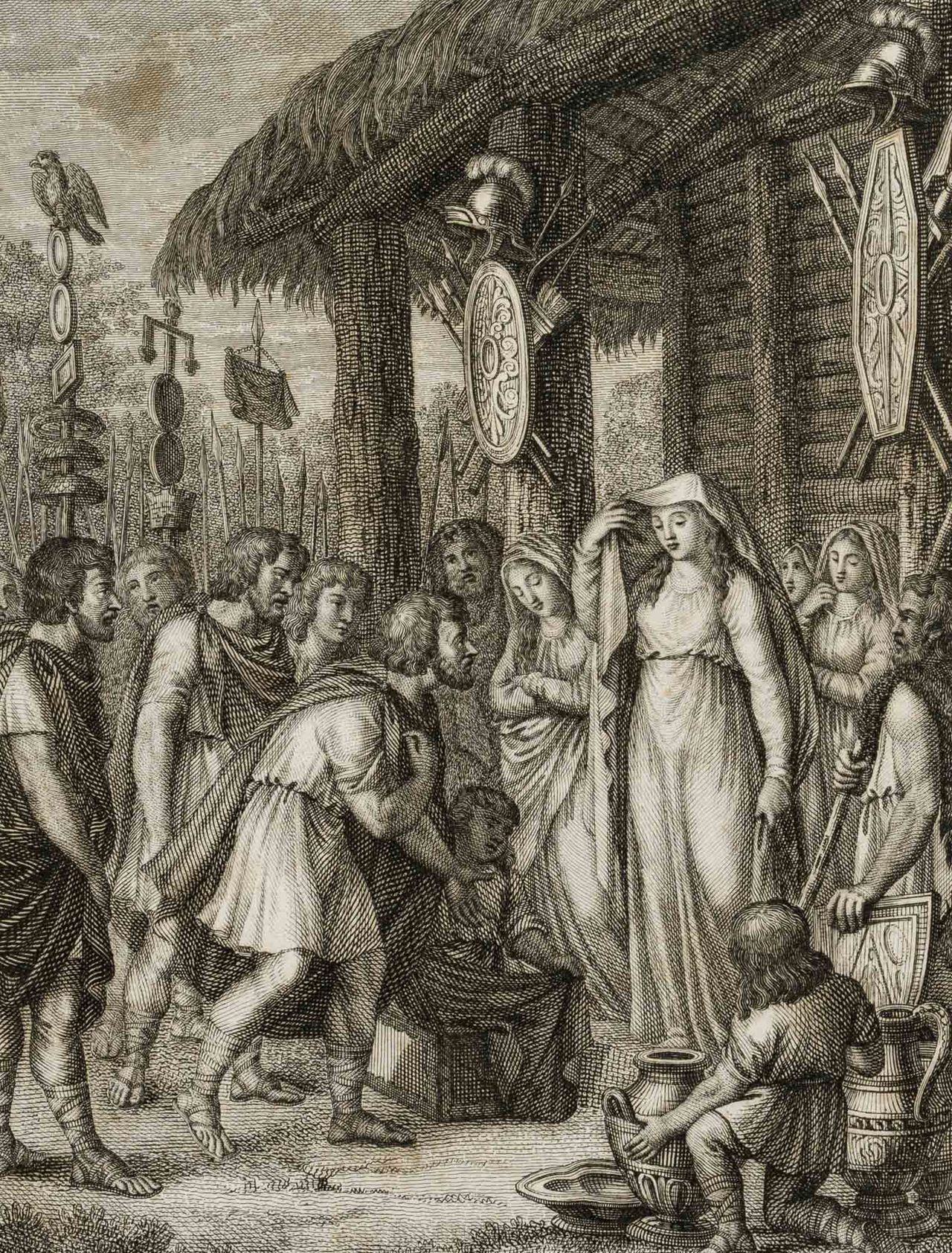
The first accounts we have of völvur come from Roman encounters with Germanic peoples on Europe’s mainland. A particularly important account we hear comes from Tacitus’ Histories, in which he describes a seeress by the name of Veleda, who guided the Bructeri tribe through their conflicts with the Romans. We also hear about a sacred grove of the Germans, one likely described to Tacitus by a Germanic priestess by the name of Ganna during her visit to Rome.
Listen Now
Love PodBriefly?
If you like Podbriefly.com, please consider donating to support the ongoing development.
Support Us