Episode Details
Back to Episodes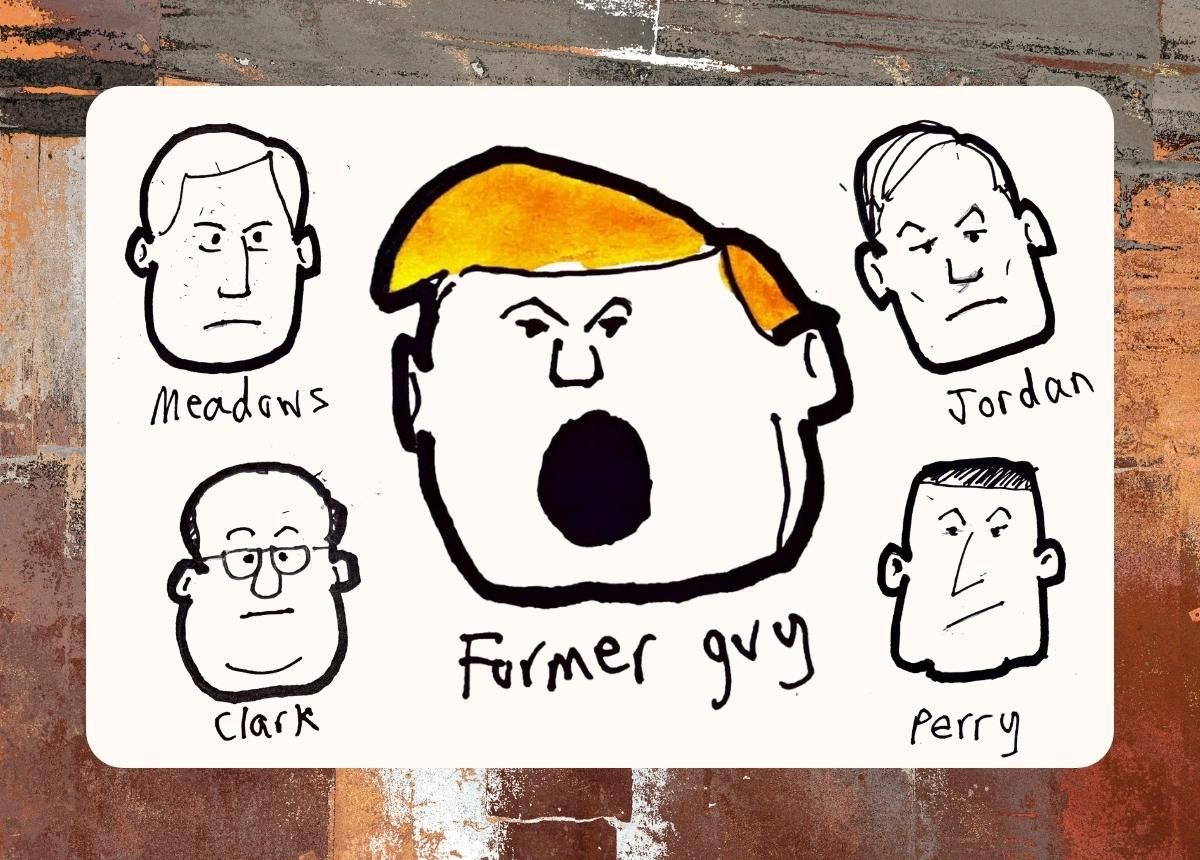
The Week Ahead: The start of accountability for Trump's attempted coup?
Description
Before we turn to what I’m calling the "Potterizing” of America (the consolidation of wealth and power in the hands of a few at the very top), we need to deal with one of its shameful consequences that will be front and center this week: accountability for Trump’s ongoing attempted coup and the January 6 attack on the Capitol. Thursday marks the first anniversary of that attack.
Last Wednesday I discussed four truths underlying the attack: (1) Trump incited it, (2) it culminated two months of his attempted coup, (3) his attempted coup continues to this day, and (4) he and his accomplices must be held accountable -- and we must also respond to the reasons why so many Americans continue to support him and his Big Lie.
As Congress returns and the anniversary of the attack comes into view, the necessity of accountability presents itself in two forms. Democrats can and must act on both.
The first is voting rights. The Senate reconvenes today. Voting rights is the most important issue before it, considering that Republican-dominated states have used Trump’s Big Lie to justify a raft of measures to restrict voting and give their legislatures greater control over the administration of elections. More such measures are on the way.
The Freedom to Vote Act and the John Lewis Voting Rights Enhancement Act, both now before the Senate, are critical to protecting American democracy from these and other incursions. But because no senate Republican supports these bills, they can be passed only if senate Democrats change the filibuster rule. One way (which even Joe Manchin seems receptive to) would be to carve out an exception for voting rights bills so they can be enacted by a simple majority.
Changing the filibuster is the first step to protecting voting rights and our democracy. Senate Democrats must take this step right away.
Thanks for subscribing to my letter about the system. If you’d like to support this effort, please consider a paid or gift subscription.
The other form of accountability is criminal responsibility for the attempted coup and the attack on the Capitol. The Justice Department has already charged more than 700 people with participating in the attack. Although no case has yet gone to trial, many of the defendants have pleaded guilty and received sentences from probation to 41 months in prison.
Yet so far, the Department has charged no political figure, including Trump himself. To be sure, the Watergate scandal didn’t result in significant prosecutions and convictions for two years after the break-in. But if Republicans gain a majority in the House next November, you can bet they’ll close down the House’s January 6 committee now investigating the attack.
The critical political actors at this point are:
Republican congresswoman Liz Cheney, the committee’s vice chair. Cheney is focused squarely on Trump’s potential crimes. Yesterday she said of Trump: “Any man…who would provoke a violent assault on the Capitol to stop the counting of electoral votes, any man who would watch television as police officers were being beaten, as his supporters were invading the Capitol of the United States is clearly unfit for future office, clearly can never be anywhere near the Oval Office ever again.” She went on to warn her Republican colleagues that they “can either be loyal to Donald Trump or we can be loyal to the Constitution, but we cannot be both.”
Mark Meadows, Trump’s last chief of staff. After he failed to appear before the committee, Congress voted to hold him in contempt and referred him to the Justice Department for prosecution. As of today, the grand jury impaneled by the Department has not indicted Meadows (note that his is the same crime for which Trump adviser Steve Bannon was indicted).
Former assistant attorney g