Episode Details
Back to Episodes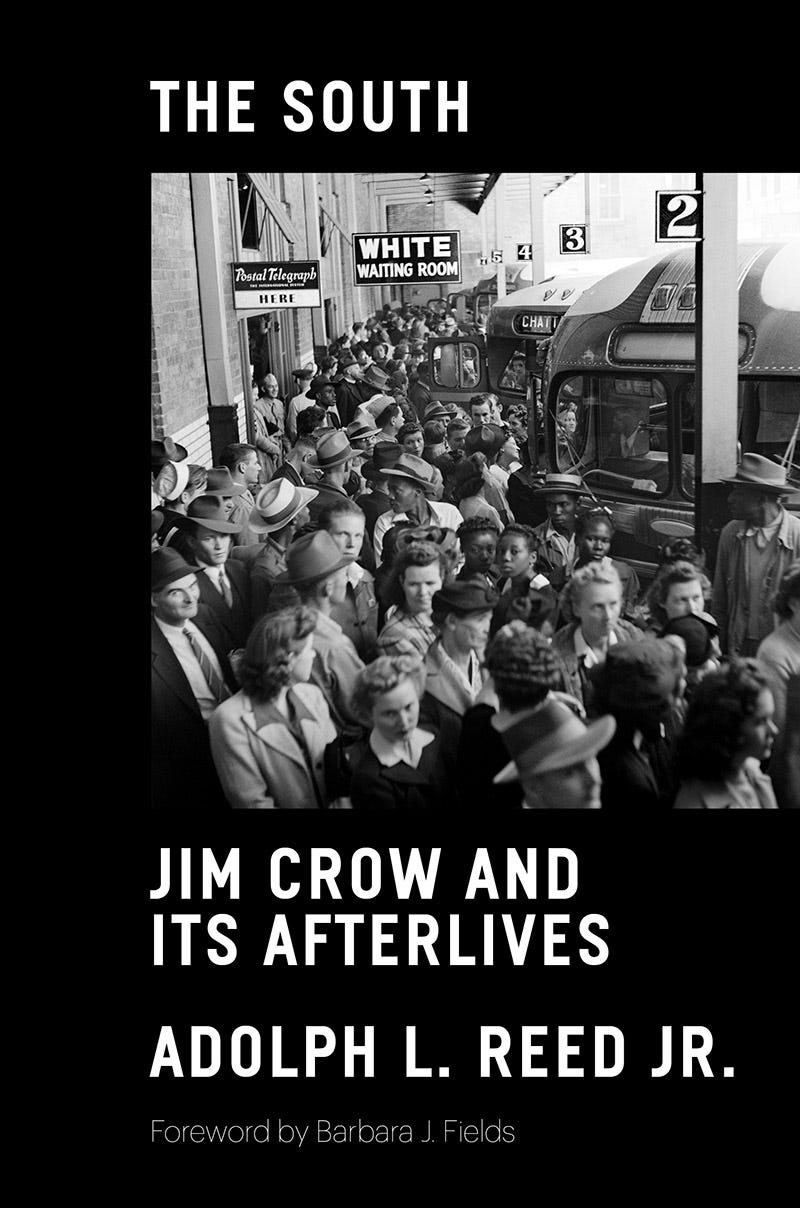
Adolph Reed Jr: Jim Crow + race/class debates
Description
Hi everyone:
Today it’s just me, Andy, talking with guest Adolph Reed, Prof. Emeritus at University of Pennsylvania, about his new book The South: Jim Crow and its Afterlives. Drawing from personal experience, he argues that racial segregation cannot be fully explained through abstract ideas about white supremacy and anti-Blackness. It was a coherent social order animated by ruling class power.
We talk about what he calls “neoliberal race politics,” the charge against him of “class reductionism” (NYT), and the broader usefulness of this analysis to contexts across the US and the world. Also, a bit of NBA banter.
* See: our conversation with Merlin Chowkwanyun (2020) on his work with Reed on racial disparity discourse (their piece on Covid reporting here)
* Also: Adolph’s new podcast Class Matters
* and Adolph’s essays on nonsite.org
0:00: The premise of the book and its reception (The New Yorker, Common Dreams, Harper’s podcast). Adolph periodizes Jim Crow from the 1890s-1960s, and he speaks about his formative years in Louisiana, North Carolina, Arkansas, and Atlanta. He first drafted the book in the 2000s after realizing his would be the last generation with clear memories of the Jim Crow order. Jim Crow, he argues, has been conspicuously overlooked in contemporary discussions about race and slavery, which flatten history (“the bad old timey-times”).
20:20: An aside on Adolph’s polemic (2013) on Hollywood “race movies” such as Django Unchained and The Help.
28:30: Adolph describes the Jim Crow racial order as a practical and pragmatic strategy of class power over all workers, rather than an abstract hatred of one group. And why it is counterproductive to frame it as a binary story of all white versus all Black people.
It’s not like white people had a meeting around the campfire and said, “let’s go put some Jim Crow on some Black people”
36:30: Framing Jim Crow as unrelenting oppression in fact mirrors, ironically, the very vision laid out by segregationists themselves. This view, found today in liberal anti-racism discourses, attributes everything to an abstract “white supremacy” and “anti-Blackness.” Class is disavowed. The effect is to help sustain an elite stratum of racial spokespeople. But also, why does this race-first worldview have such broad appeal?
Listen Now
Love PodBriefly?
If you like Podbriefly.com, please consider donating to support the ongoing development.
Support Us