Episode Details
Back to EpisodesSubaru Is Breaking Its AWD Tradition to Makes EVs Cheaper
Description
Subaru, by offering front-wheel drive versions, is lowering the entry price of its electric lineup. It’s doing so by moving away from the standard all-wheel drive setup that has long defined the brand. The strategy begins with the 2027 Uncharted EV and is expanding to FWD variants of the Solterra and E-Outback in select markets.
A Break From Tradition
Subaru has been making its offerings appealing in snow, rain, and rough-road conditions for decades, with Symmetrical All-Wheel Drive. However, dual-motor AWD adds cost, weight, and complexity, and it matters more because automakers are trying to make EVs affordable.
The clearest example? The 2027 Subaru Uncharted Premium FWD. Instead of using the dual-motor AWD system, it goes for a single 221-horsepower front-mounted electric motor, and Subaru prices it from $34,995. The FWD version is also rated for up to 308 miles of range, positioning it as a value-focused, road-trip-capable electric crossover.
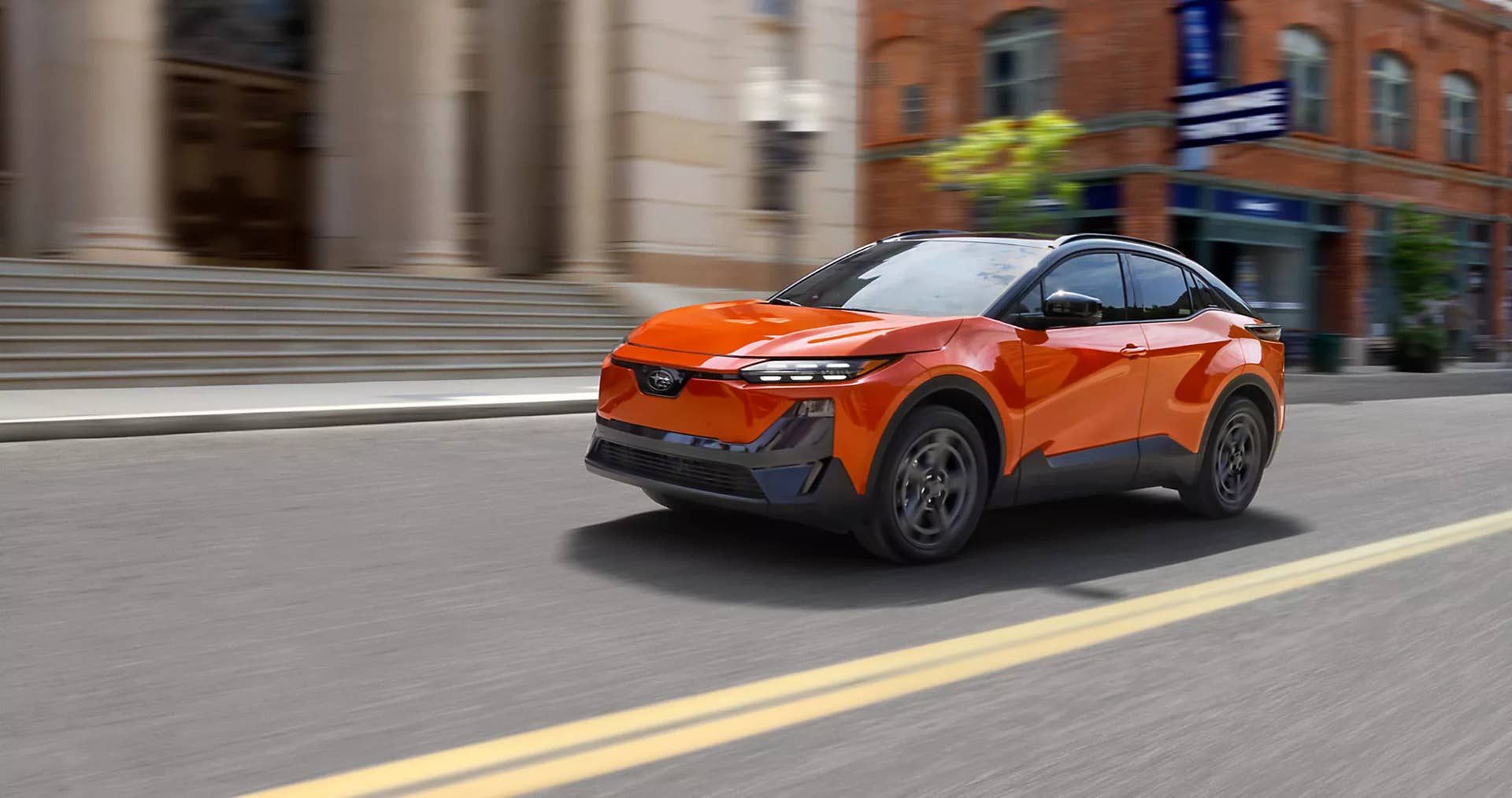
Lower-Cost EVs
Subaru’s higher-spec Uncharted Sport and GT trims produce a combined 338 horsepower while retaining Symmetrical All-Wheel Drive with X-Mode. They start at $39,795 and $43,795, respectively, creating a meaningful price gap between the entry-level FWD model and the brand’s traditional AWD versions.
In the United States, the 2027 Subaru Solterra and Subaru Trailseeker remain AWD-only. However, Subaru is introducing lower-priced FWD, or 4×2, variants in Spain for the Uncharted, Solterra, and E-Outback—the European-market version of the Trailseeker.
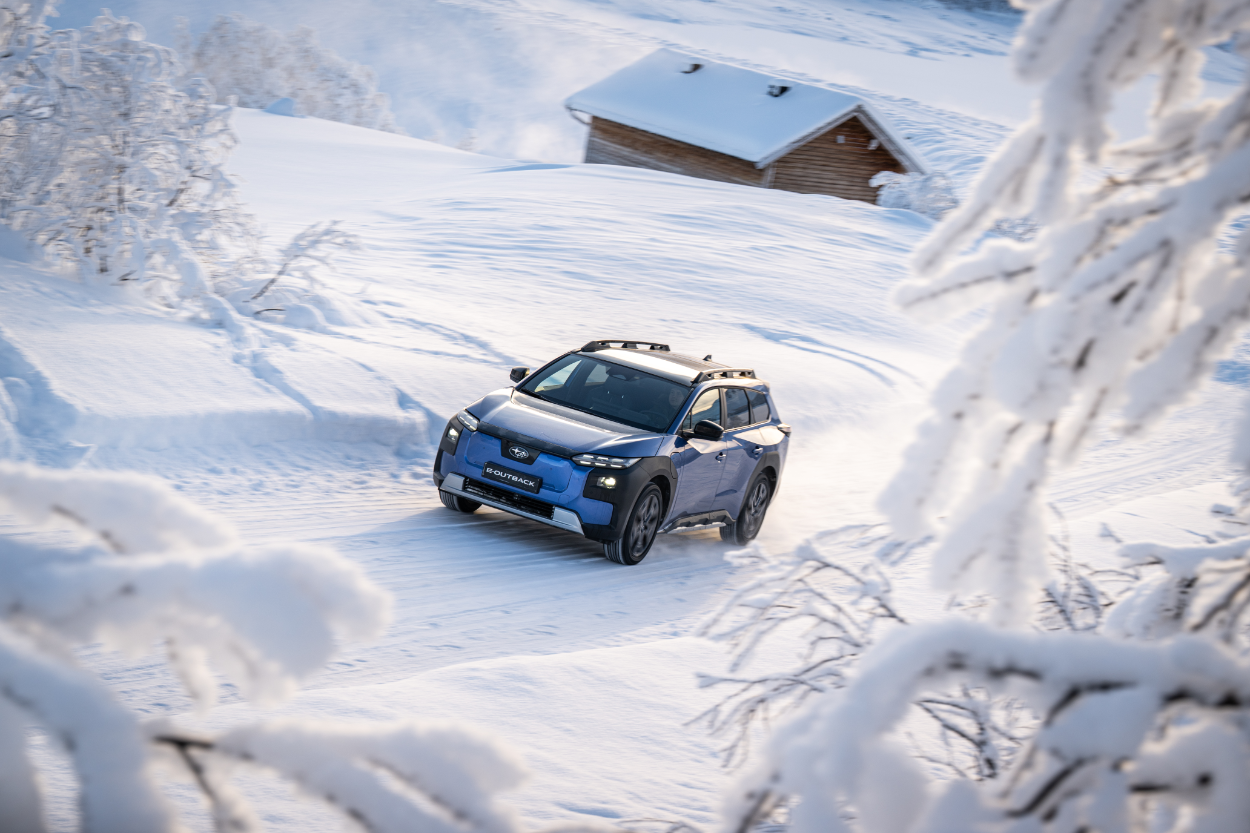
Subaru
What It Means
This definitely doesn’t mean that Subaru is abandoning AWD. Instead, it’s catering to buyers who prioritize traction, capability, and all-weather confidence by using FWD. For shoppers, the trade-off is straightforward: choose FWD for a lower purchase price and potentially greater efficiency, or pay more for AWD and Subaru’s established all-weather positioning. This could eventually reach the U.S. market if the approach succeeds in Europe.
Subaru’s decision is therefore less about removing a defining feature and more about making it optional. By letting customers choose between value and capability, the company may be able to broaden its EV audience without diluting the brand identity that made it successful.