Episode Details
Back to EpisodesA 32-Year-Old Jeep Shows How AI May Help Keep Old Cars on the Road
Description
A Digital Lifeline for Old Cars?
Artificial intelligence is currently widely used in the tech industry. But as AI becomes more advanced, its applications are expanding into the automotive industry as well, apparently even extending to decades-old cars. This story of a 1994 Jeep Cherokee owner who used AI tools like Claude and Codex to fix his vehicle offers some insight into that potential.
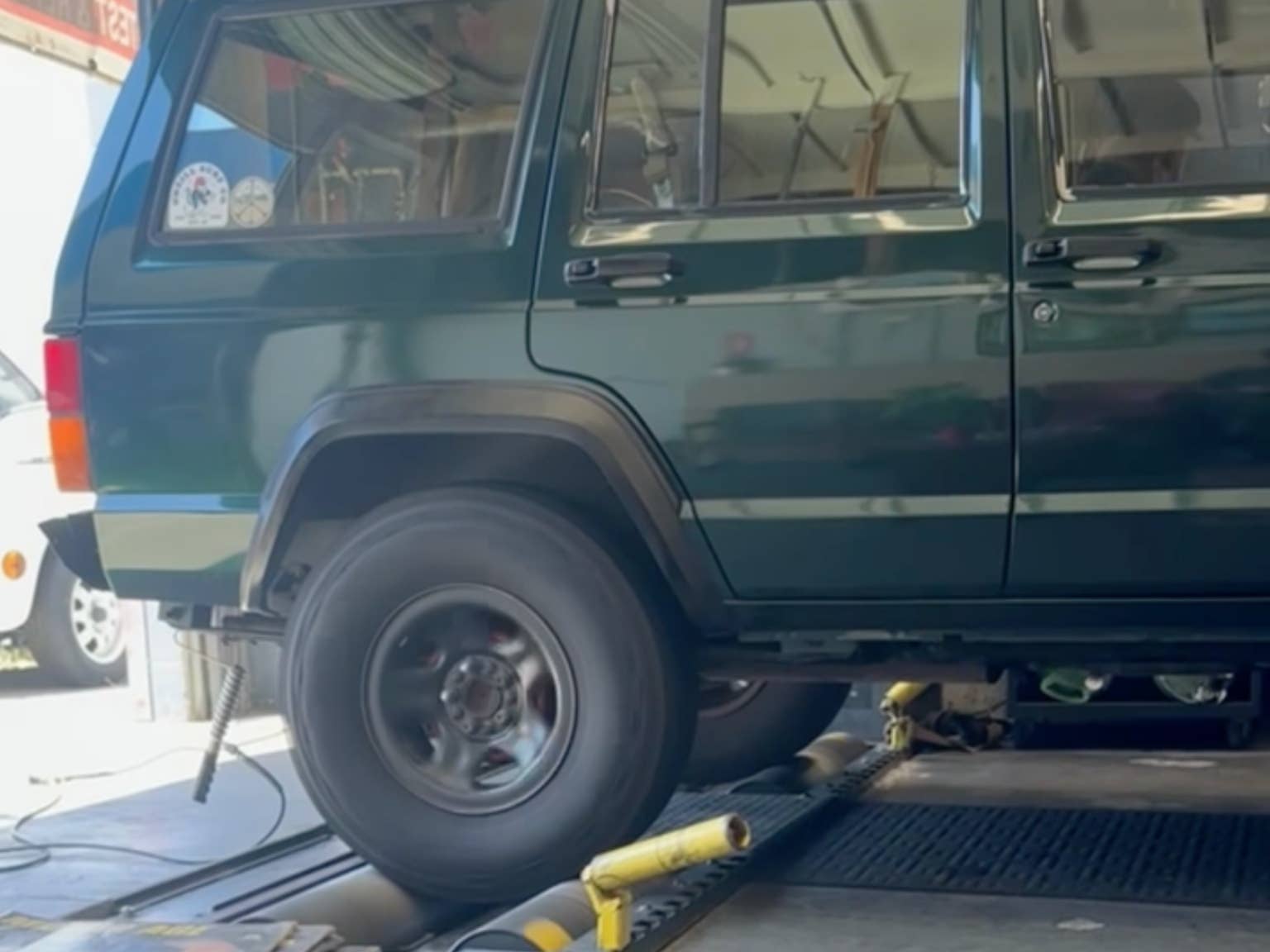
Muhammad Zulali shared his journey on YouTube of fixing his 32-year-old Jeep after the vehicle repeatedly failed California’s smog test due to excessively high nitrogen oxide (NOx) emissions. Since the SUV predates the standardized OBD-II diagnostic system, modern scan tools couldn’t provide the engine data he needed. It wasn’t until the 1996 model year that OBD-II became mandatory for passenger cars and light-duty trucks in the U.S., with this particular Jeep’s engine computer reportedly manufactured four months before Chrysler made these units reprogrammable. According to his GitHub project documentation, his vehicle is a Cherokee XJ powered by a 4.0-liter inline-six engine, which produced 190 horsepower from the factory.
Cracking the Cherokee’s Code
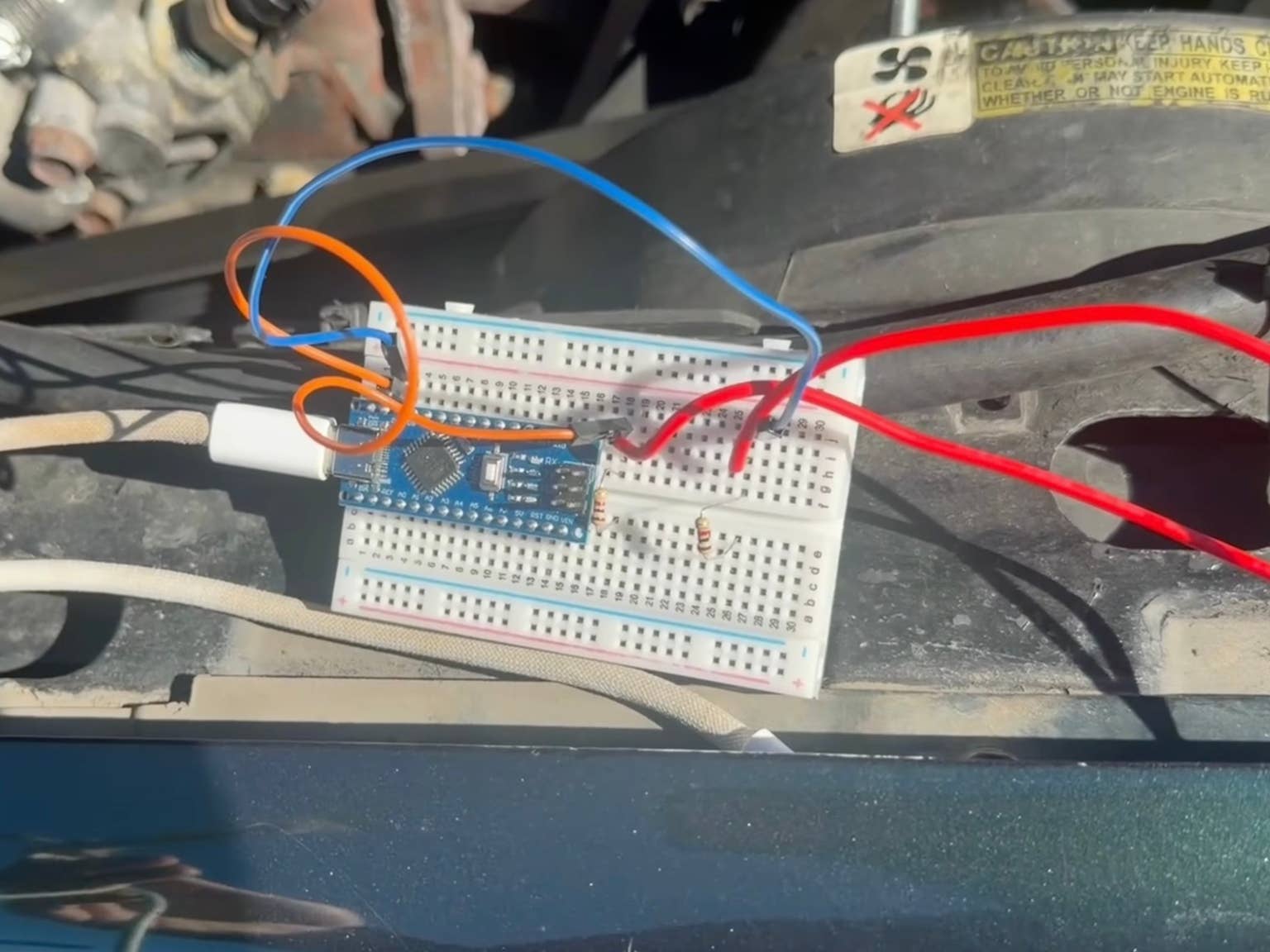
Zulali used a $3 Arduino Nano as a communication interface between his laptop and the Jeep’s engine computer. With the help of Claude Code, he was able to collect real-time engine data while driving and analyze the computer’s programming, eventually discovering that the California-spec computer was calibrated to run a leaner air-fuel mixture than its federal-spec counterpart under smog-test conditions.
However, the Cherokee’s engine computer couldn’t be conventionally reflashed. Zulali turned to Codex to develop custom code that could run directly within the computer’s memory, allowing him to adjust engine operation without physically modifying the computer.
Ultimately, his AI-assisted approach helped the vehicle pass its smog inspection. The owner was also thrilled about completing the fix without needing a mechanic or a specialized Chrysler diagnostic tool.
The Bigger Picture
That said, this case doesn’t necessarily indicate that AI permanently repaired the Jeep, and the approach could raise regulatory questions, given California’s restrictions on unauthorized modifications to emissions-related engine software. Still, it goes to show how AI could potentially help older cars stay on the road, provided owners are willing to navigate the learning curve associated with AI-powered coding tools.
Legacy automakers are also adopting AI in manufacturing and vehicle development. General Motors has said it wants to cut development times from the usual four to five years to around two years using AI and virtual engineering tools. Modern cars also use AI, particularly in advanced driver assistance systems like Tesla’s Full Self-Driving (Supervised), which uses neural networks to interpret the vehicle’s surroundings and make driving decisions.
Listen Now
Love PodBriefly?
If you like Podbriefly.com, please consider donating to support the ongoing development.
Support Us