Episode Details
Back to Episodes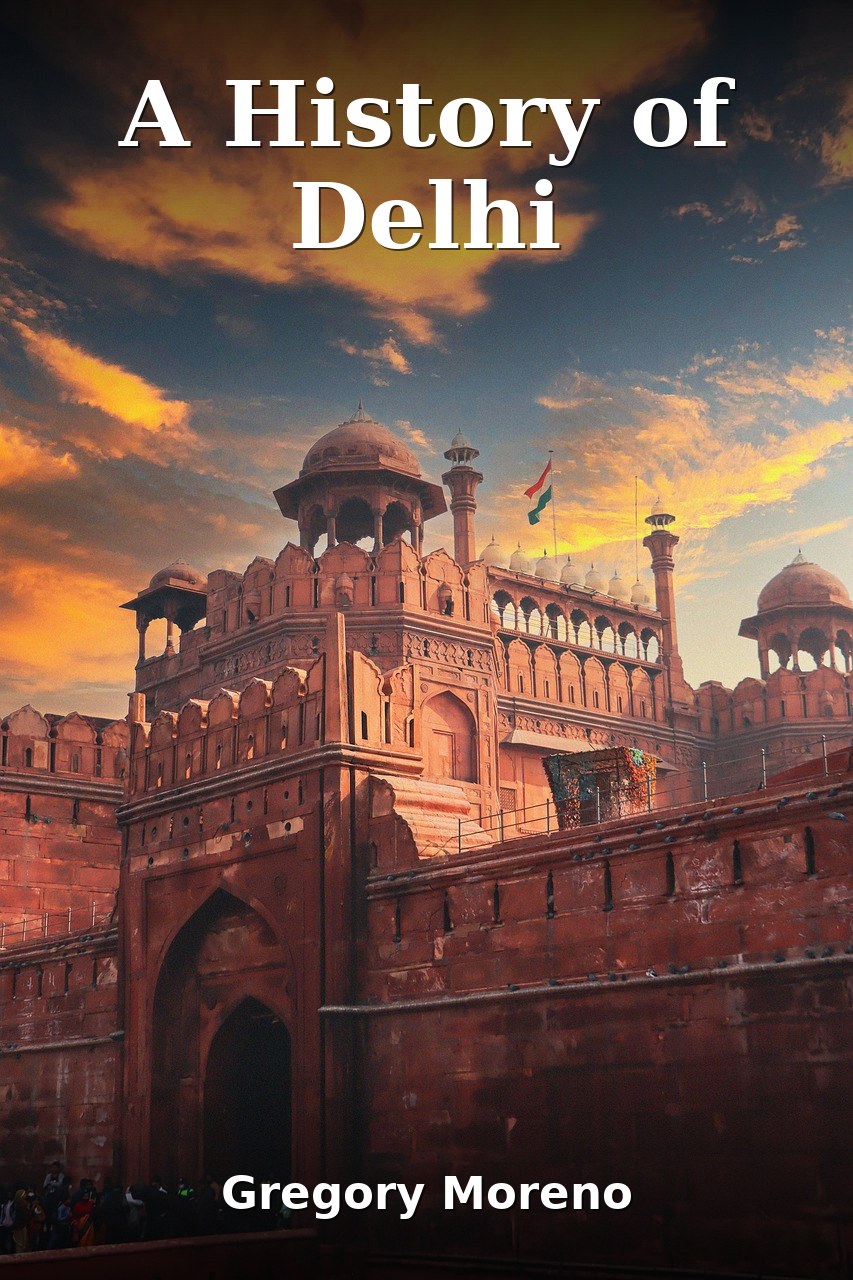
A History of Delhi — Introduction
Description
Delhi stands as a city eternally at the crossroads of India’s history, a metropolis where myth, memory, and modernity converge. Its story spans millennia, from its ancient origins perhaps linked to the legendary Indraprastha of the Mahabharata, through periods of early settlements and its recognition as a significant center within the empires of the Mauryans, Kushans, and Guptas. The book traces the city's rise to prominence under the Rajput Tomars, who founded Lal Kot, and their successors, the Chauhans, creators of Qila Rai Pithora. This first historical nucleus was transformed dramatically with the Ghurid invasion and the advent of Muslim rule, leading to the establishment of the Delhi Sultanate by the Mamluks.
Over the next three centuries, successive dynasties of Sultans – the Khaljis, Tughlaqs, Sayyids, and Lodis – expanded the Sultanate's power, built remarkable new cities like Siri, Tughlaqabad, Jahanpanah, and Firozabad, and left behind a rich architectural and administrative legacy, even as they grappled with internal strife and external threats like the Mongol invasions. The Sultanate era culminated in the rise of the Mughal Empire, founded by Babur after the decisive Battle of Panipat. Under the Mughals, Delhi reached its zenith, particularly under Shah Jahan, who built the magnificent walled city of Shahjahanabad with its iconic Red Fort and Jama Masjid, making it a global center of art, culture, and imperial power.
The book navigates the period of Mughal decline, marked by internal weakness and devastating invasions, most notably by Nader Shah, which left Delhi ravaged and vulnerable. The city's fate then transitioned under British ascendancy, culminating in its capture in 1803, the tragic events of the 1857 Revolt that led to the formal end of the Mughal dynasty, and the subsequent decision to build a grand new imperial capital, Lutyens' Delhi, as a monumental statement of colonial power. The final chapters detail the cataclysmic impact of the 1947 Partition, which fundamentally reshaped the city through a massive influx of refugees, and explore Delhi's subsequent journey of rapid growth, resettlement, and the evolution of its governance from a Union Territory to the sprawling, dynamic National Capital Territory it is today, confronting the complex challenges of a modern global metropolis while constantly interacting with its deep and layered historical past.
Listen to the introduction. Continue reading or listening at MixCache.com: search for book 1659.