Episode Details
Back to EpisodesMyth and Magic of the Smith
Description
Folklore of the blacksmith portrays him as a semi-magical figure, a wily opponent of the Devil, a mythic creator in classical and biblical narratives, and an embodiment of occult wisdom within certain secret societies and neopagan groups.
We begin with an audio snippet from the excellent 2017 horror-fantasy Errementari: The Blacksmith and the Devil, a cinematic elaboration of the Basque folktale, “Patxi the Blacksmith” collected back in the 1960s by the Spanish priest and Basque ethnographer Jose Miguel Barandiaran.
This is one of dozens (perhaps hundreds) of variants of “Blacksmith and Devil” tales found from Russia to Appalachia, all of which involve a smith selling his soul to the Devil in exchange for some reward, then somehow tricking the Devil out of his due. Some variations of the story collected by Jacob and Wilhelm Grimm are outlined, and Mrs. Karswell reads passages of an Irish variant from the 1896 volume, The Humor of Ireland, one which also serves as a sort of origin story for a popular seasonal custom.
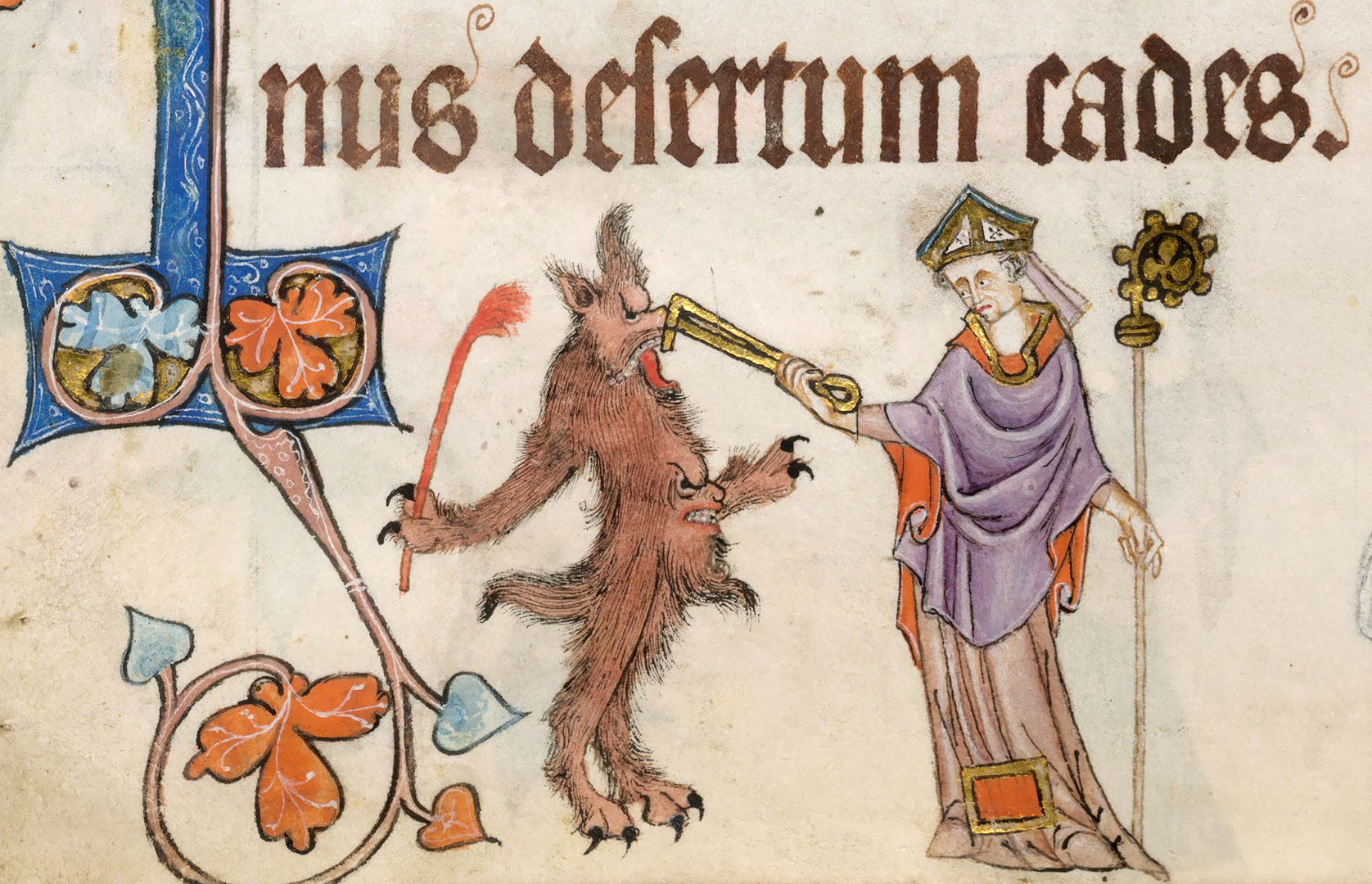
While most of the blacksmiths in these tales tend to be roguish, England offers a devil-combating smith who is actually quite saintly, namely St. Dunstan, the 10-century Abbot of Glastonbury, who also found time to master the harp and the art of blacksmithing. We hear several variations of his encounter with the Devil.
We then explore folk customs associated with St. Clement, the first-century bishop of Rome whose particular style of martyrdom led to his being embraced as patron of blacksmiths. A variety of celebrations by ironworkers on St. Clement’s Day (November 23) are discussed; we hear a snippet of a song associated with “clementing” (going door to door to collect donations for the “Old Clem Feast,”) and hear a tale told at these feasts explaining how the blacksmith was declared “King of All Trades” by King Alfred. There’s also a bit about a pyrotechnic festivity known as “anvil firing” associated with these celebrations and a snippet of the traditional blacksmith-toasting song, “Twanky Dillo,” sung by the Wild Colonial Boys.
Moving further back into Anglo-Saxon history, we encounter the figure of Wayland the Smith, one who appears briefly as a swordsmith and armorer in Beowulf and other English narratives but whose story is most thoroughly presented in the Lay of Völund part of the Poetic Edda (“Wayland” being an adaptation of the Old Norse name “Völund.”) We hear a brief summary of this tale, including the particularly gruesome revenge taken by the smith upon the king who takes him captive.
We also hear a bit about Wayland’s Smithy in Oxfordshire, a Neolithic long barrow or stone-chamber tomb supposedly occupied by a ghostly blacksmith.<