Episode Details
Back to Episodes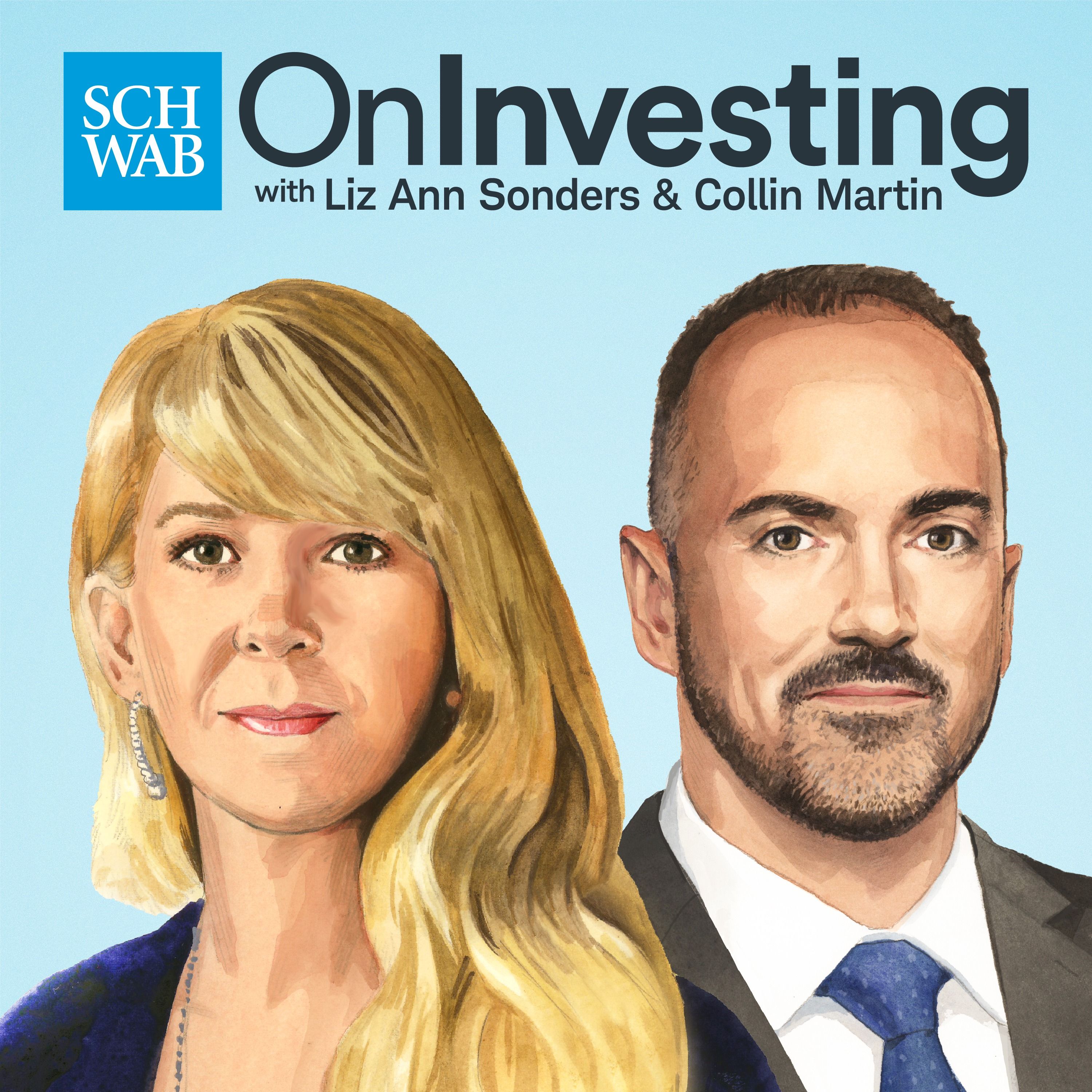
Is the AI Trade Losing Momentum?
Description
Liz Ann Sonders and Collin Martin discuss the impact of Nvidia on the broader AI trade, examining how a small group of mega-cap technology companies now accounts for an outsized share of market returns and expected earnings growth. They discuss the risks that concentration creates, particularly if AI capital spending or earnings expectations begin to cool. Collin connects that story to the bond market, where Treasury yields have moved higher amid persistent inflation and expectations for additional Fed rate hikes, raising borrowing costs for companies financing the AI and data-center buildout.
Then Joe Mazzola, Schwab’s director of trading services, draws on his background as an options market maker to discuss risk management, market volatility, and the increasingly blurred distinction between traders and long-term investors. Looking back at 2026, he identifies two defining shifts: the reversal from expectations for rate cuts to renewed Fed tightening, and growing investor skepticism about whether massive AI spending will ultimately translate into sufficient earnings and cash flow.
Mazzola also examines signs of caution beneath the market’s surface, including heavy put buying and defensive institutional positioning. While he views the recent decline primarily as a reset rather than the beginning of a bear market, he warns that persistent inflation and higher rates could put additional pressure on high-valuation growth stocks.
Finally, Collin and Liz Ann look ahead to next week's upcoming macroeconomic indicators and key data releases.
On Investing is an original podcast from Charles Schwab. For more on the show, visit schwab.com/OnInvesting.
If you enjoy the show, please leave a rating or review on Apple Podcasts.
Important Disclosures
This material is intended for general informational and educational purposes only. This should not be considered an individualized recommendation or personalized investment advice. The securities, investment products and investment strategies mentioned are not suitable for everyone. Each investor needs to review an investment strategy for his or her own particular situation before making any investment decisions.
All expressions of opinion are subject to change without notice in reaction to shifting market, economic or political conditions. Data contained herein from third party providers is obtained from what are considered reliable sources. However, its accuracy, completeness or reliability cannot be guaranteed.
Past performance is no guarantee of future results.
Investing involves risk, including loss of principal.
Performance may be affected by risks associated with non-diversification, including investments in specific countries or sectors. Additional risks may also include, but are not limited to, investments in foreign securities, especially emerging markets, real estate investment trusts (REITs), fixed income, municipal securities including state specific municipal securities, small capitalization securities and commodities. Each individual investor should consider these risks carefully before investing in a particular security or strategy.
Fixed income securities are subject to increased loss of principal during periods of rising interest rates. Fixed income investments are subject to various other risks including changes in credit quality, market valuations, liquidity, prepayments, early redemption, corporate events, tax ramifications, and other factors.
All names and market data shown are for illustrative purposes only and are not a recommendation, offer to sell, or a solicitation of an offer to buy any security.
Forecasts contained herein are for illus