Episode Details
Back to Episodes“Fish Welfare Initiative’s Funding Gap” by haven
Description
Fish Welfare Initiative (FWI) works to improve the lives of farmed fish as much as possible. We currently operate in India and China, and are considering expanding to a third country in 2027. We work with species and in contexts where there is little prior welfare research, and so we invest significantly in developing new interventions to suit these contexts.
We now have a relatively large funding gap for 2027 (about 500 thousand dollars of our 1 million dollar budget). The rest of this post outlines our work in further detail, and also includes our best case against donating.
If you are interested in supporting our work, feel free to reach out or leave any questions below. As always, we also value feedback from the EA community—we’d love to hear which parts of our strategy seem strong, or which parts seem like they have gaps. Thank you!
About Fish Welfare Initiative
For those who aren’t familiar with FWI, the following are the main things to know:
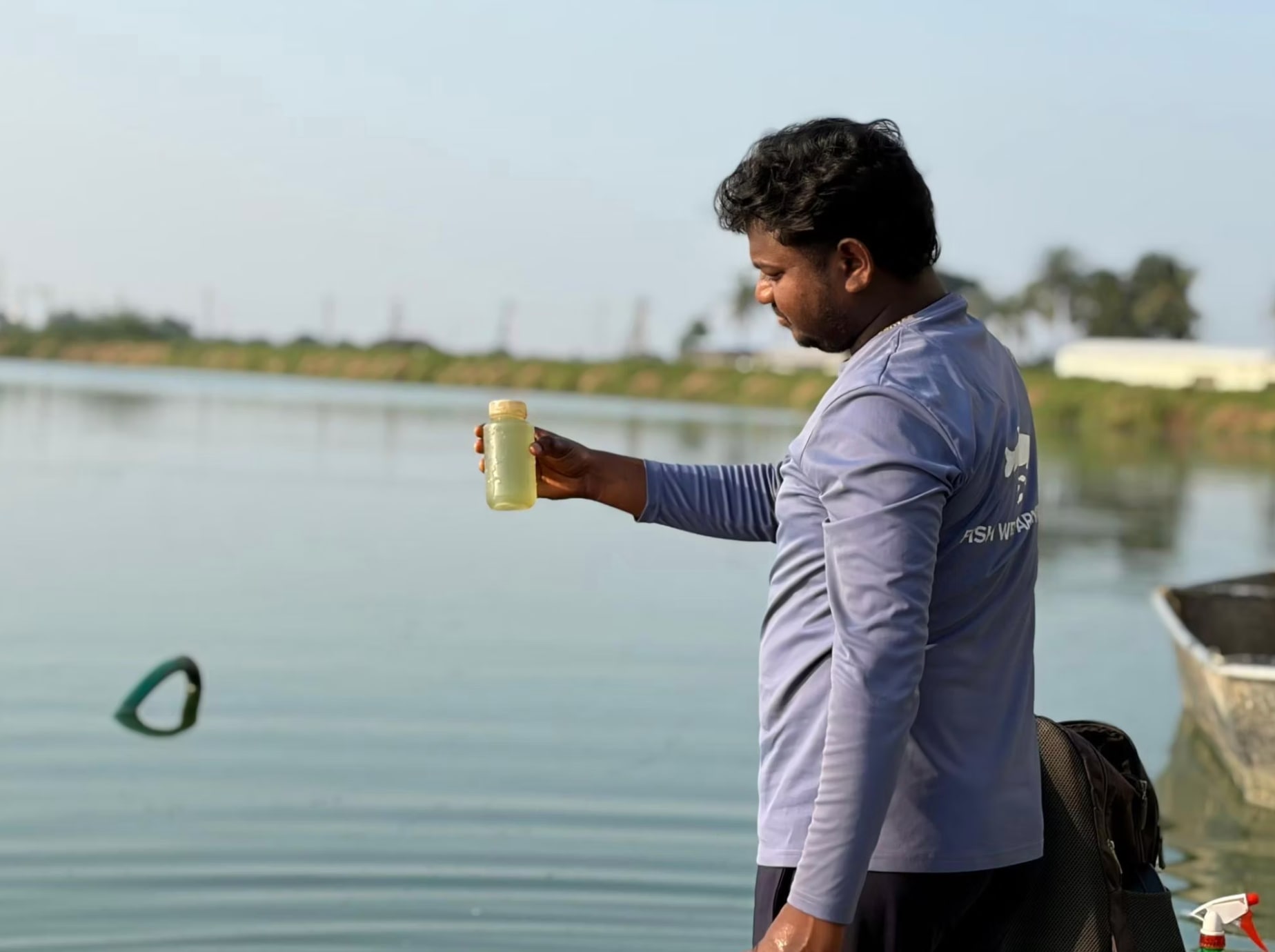
- What We Do: We work to improve the welfare of farmed fish, who, like other animals, suffer significantly under modern farming conditions. Our interventions to date have primarily focused on improving water quality.
- [...]
---
Outline:
(01:05) About Fish Welfare Initiative
(02:59) Our Track Record
(05:45) Our Latest Plans
(08:14) Current Funding Gap
(08:58) What level of funding would buy different outcomes?
(11:10) Arguments Against Donating
(13:11) A Note of Gratitude
---
First published:
November 18th, 2026
Source:
https://forum.effectivealtruism.org/posts/cE6pYwDWEagron7Z2/fish-welfare-initiative-s-funding-gap
---
Narrated by TYPE III AUDIO.
---
Images from the article:
Listen Now
Love PodBriefly?
If you like Podbriefly.com, please consider donating to support the ongoing development.
Support Us