Episode Details
Back to Episodes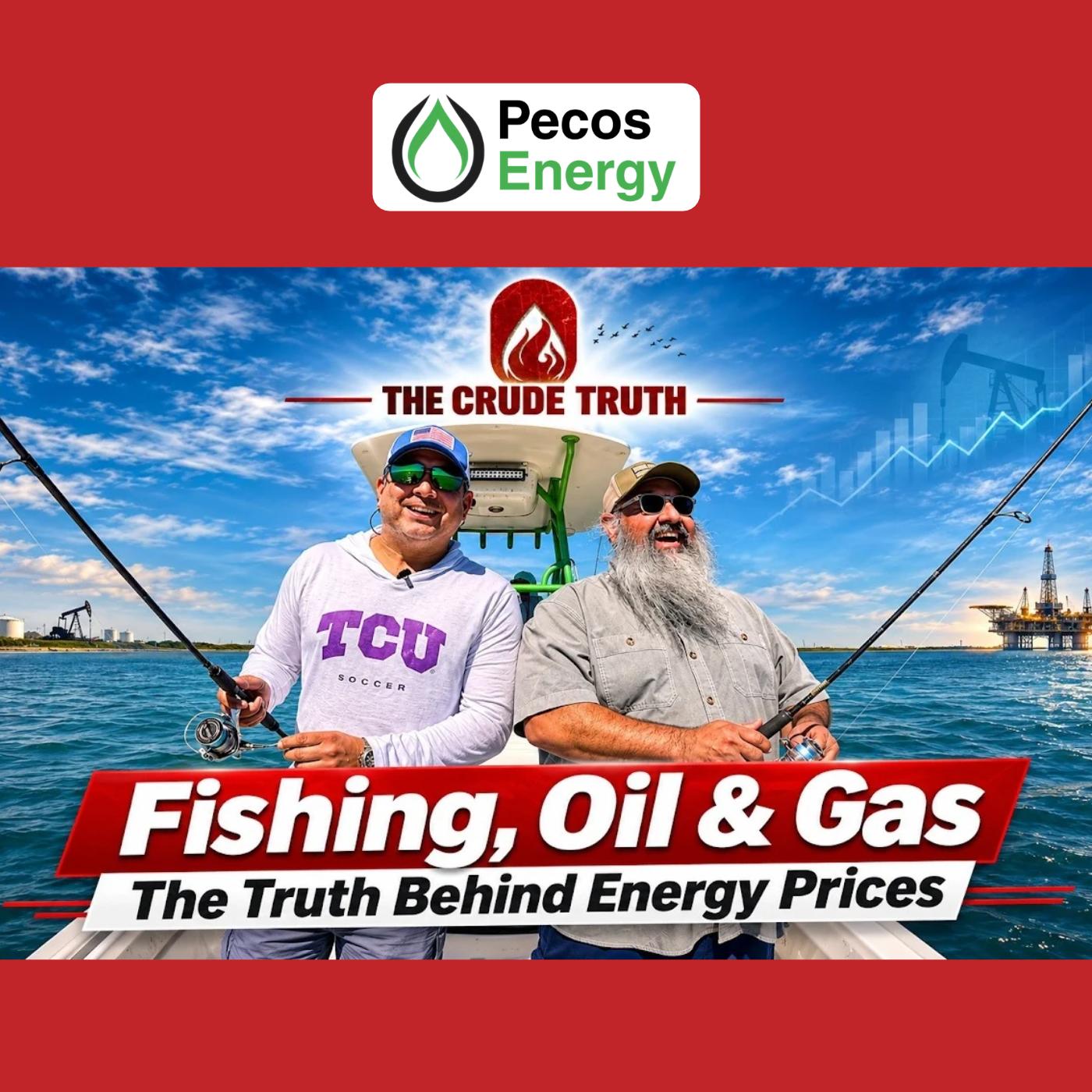
Fishing, Oil and Gas, and the Truth Behind Energy Prices The Crude Truth
Description
What do fishing, oil and gas, and the price at the pump have in common? More than you might think!
On this episode of The Crude Truth, we're taking the conversation out on the water with Daniel Contreras and Captain Charlie Baker of Red Tag Guide Service for a fishing trip with a little energy industry insight along the way.
We break down some of the biggest questions surrounding oil and gas, including who really controls gasoline prices, why diesel costs impact everyday consumers, and how oil and gas continue to play a role in everything from electric vehicles to the products we use every day.
We also discuss the future of American energy, growing global demand, the importance of domestic production, and why the industry needs to do a better job communicating its impact.
Plus, there's plenty of fishing, laughs, and a few big catches along the way!
Hat tip to Red Tag Guide Service! https://www.redtagguide.com/
1. Oil & Gas Pricing at the PumpRey Trevino explains that oil companies like Exxon and Chevron don't actually control gas prices—they're dictated by Wall Street markets. He discusses how oil is currently valued at around $90 per barrel, and producers have no choice but to sell at that market rate. The conversation also covers how diesel prices are influenced by tanker insurance and shipping costs from overseas.
2. Economic Impact of Fuel PricesThe hosts explore how volatile fuel prices affect the broader economy. Diesel is particularly important since over 75% of goods in the US are transported by diesel. Rising diesel costs create a "trickle-down effect," forcing service companies to charge more, which ultimately impacts consumers.
3. Oil & Gas's Role in Electric VehiclesWhile discussing the shift toward EVs, Rey clarifies that the oil and gas industry remains essential—not for fuel, but for the materials needed to manufacture electric vehicles. Tires, paint, plastic bodies, and other components are all hydrocarbons derived from oil. Even fishing rods and other everyday products depend on petroleum-based materials.
4. Future of the Oil & Gas IndustryRey predicts a bullish outlook for oil over the next 5 years, citing reports from the International Energy Agency showing rising global demand. He notes that developing nations and growing populations will require more energy, and major banks like JP Morgan and Morgan Stanley share this optimistic forecast.
5. Environmental Stewardship & Industry PerceptionRey emphasizes that the oil and gas industry does a poor job communicating its environmental benefits. He argues that 99% of industry professionals care about the environment and are hunters/fishers themselves. He uses the Dominican Republic vs. Haiti comparison to show how natural gas adoption preserves rainforests compared to deforestation for fuel.
6. Energy Infrastructure & Transition ChallengesThe discussion highlights why transitioning away from oil and gas isn't simple. The US infrastructure (power lines, pipelines) has been built over 100 years for fossil fuels. Rey points out that California and the Northeast face energy challenges due to lack of pipelines and closed refineries, forcing them to import refined products or burn less efficient fuels.
Subscribe to The Crude Truth for more conversations about energy, business, technology, and the future of Texas. https://pecoscrudetruth.substack.com/
For More information on Tax-Advantaged Investments: https://pecos.energy/info/
Check out LFS Chemistry, sponsor of the Crude Truth, here: https://lfschemistry.com/
Air