Episode Details
Back to Episodes“CCF: Two ways not to handle uncertainty in cause prioritization” by Jim Buhler, Rethink Priorities
Description
This post is part of the Rethink Priorities Cross-Cause Fund (CCF) series on how to allocate funding across causes when it is uncertain what matters most.
TL;DR:
- Which interventions and cause areas to support depends heavily on one's worldview(s).
-
By a worldview, I mean a set of beliefs about the parameters relevant to cause prioritization (risk profiles, moral weights, degree of cluelessness about long-term effects, etc.).
- At Rethink Priorities (RP), we think that you should have substantial uncertainty about which worldview(s) to endorse.
- Yet many of us prioritize what to work on or where to donate as if they had no such uncertainty, whether explicitly or implicitly. They either:
- Straightforwardly optimize according to their favorite worldview, or
- Deal with worldview uncertainty in a way that makes their ~favorite worldview the main decider.
- The alternative approach this article defends: i) represent worldview uncertainty by giving credence to different plausible worldviews, and ii) aggregate over the plausible worldviews in a way that, in practice, allows each of them to have some say in how resources should be allocated.
What are our core values, how do we approach risk, what spectrum of consequences do we consider? These factors often [...]
---
Outline:
(02:27) Any single (precise) worldview is unacceptably overconfident, by design
(05:44) You're not truly uncertain if one worldview hijacks your cause prioritization
(12:49) What truly acknowledging uncertainty looks like
(15:42) Acknowledgments
The original text contained 13 footnotes which were omitted from this narration.
---
First published:
November 6th, 2026
---
Narrated by TYPE III AUDIO.
---
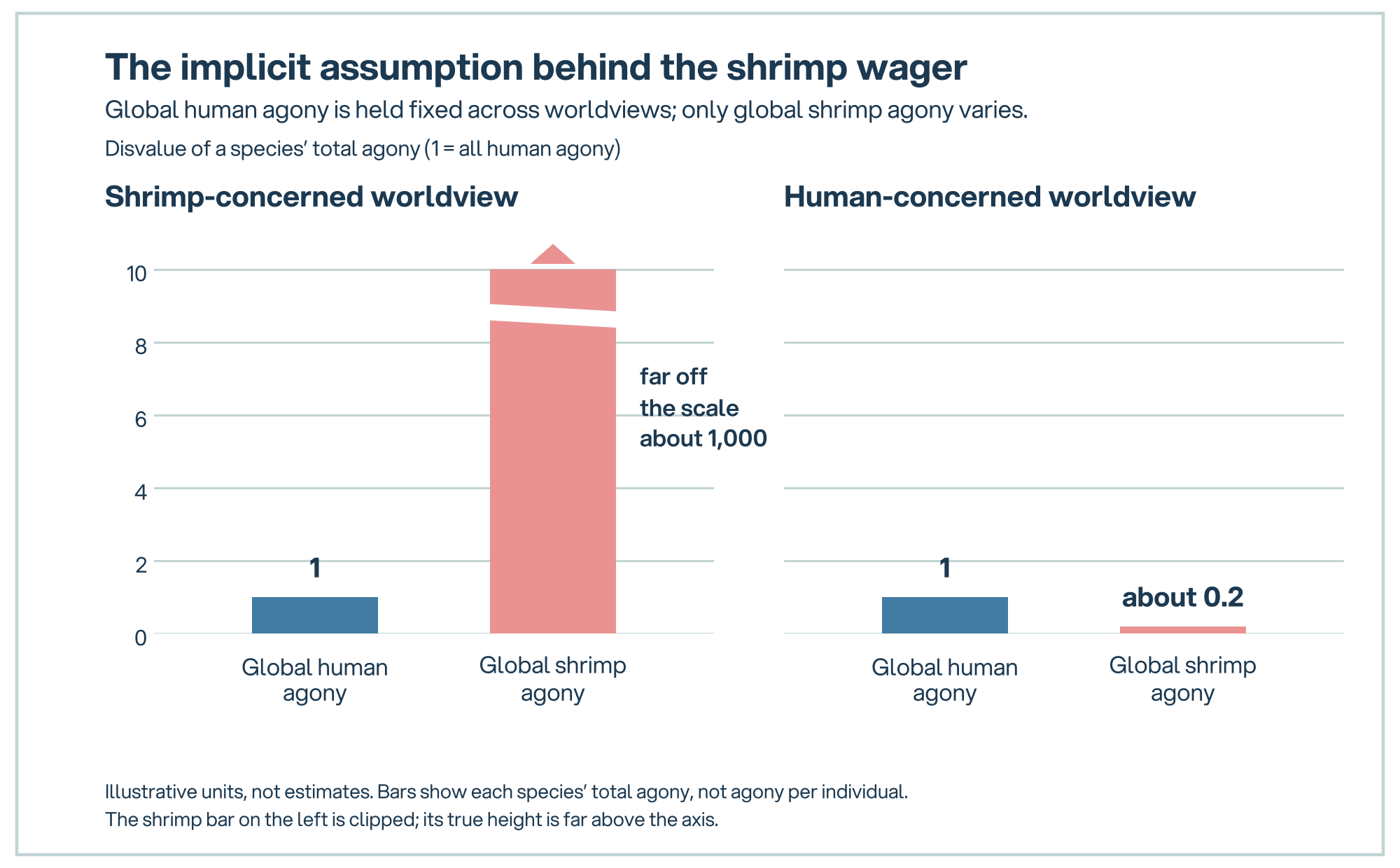
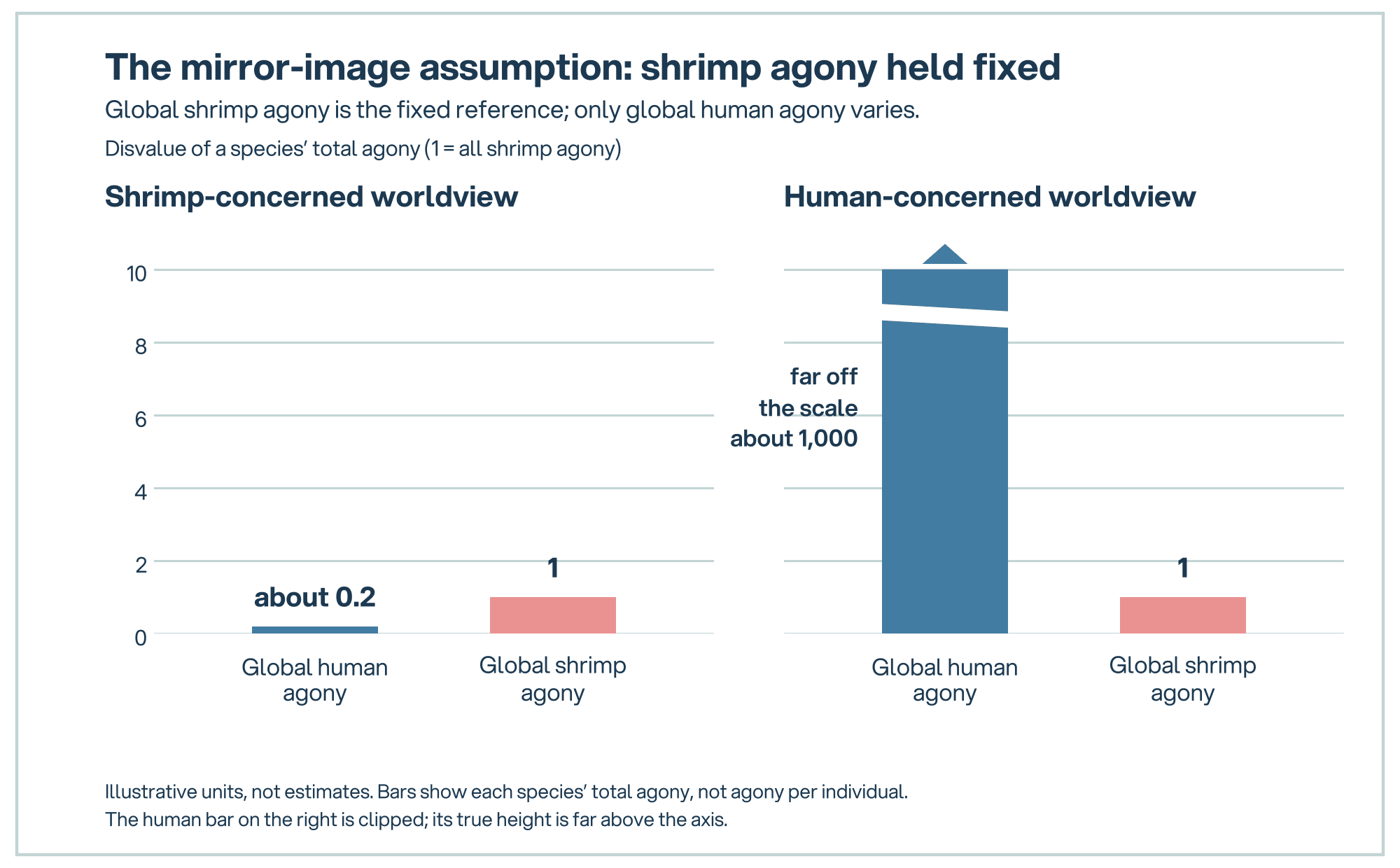
Images from the article:

Listen Now
Love PodBriefly?
If you like Podbriefly.com, please consider donating to support the ongoing development.
Support Us