Episode Details
Back to Episodes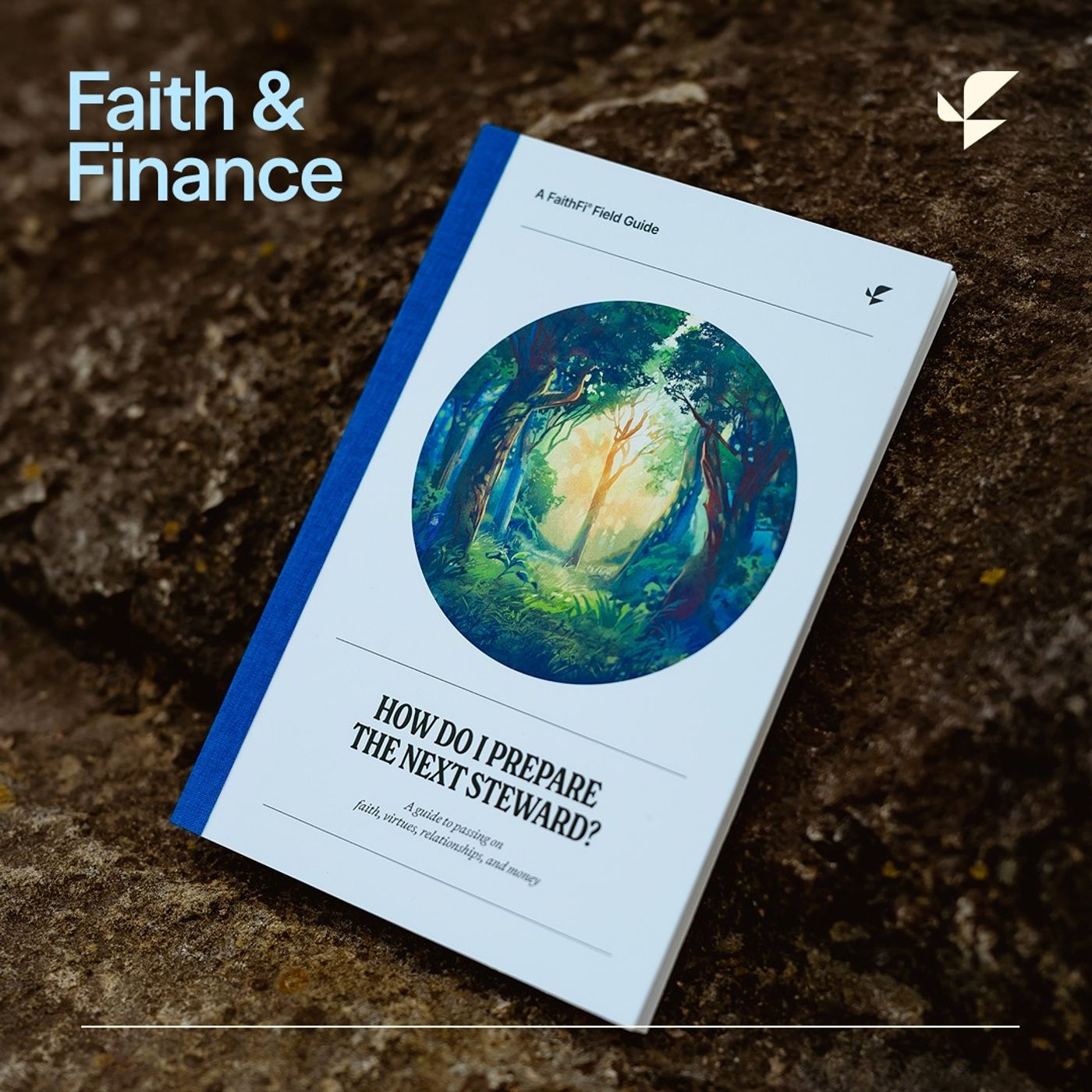
Faith & Finance - How Do I Prepare the Next Steward? with David Wills
Description
Someday, someone else will steward the resources God has entrusted to you. But will they be prepared for that responsibility?
Many families devote considerable time and attention to estate planning. They establish wills, create trusts, and develop strategies to transfer assets efficiently. Those are important steps, but they address only part of the challenge.
Preparing the next steward involves more than preparing an inheritance. It involves preparing the person who will receive it.
David Wills, President Emeritus of the National Christian Foundation (NCF) and a contributor to FaithFi's newest Field Guide, How Do I Prepare the Next Steward?, joined the show today to discuss how families can pass down not only financial resources but also the wisdom, character, and biblical values needed to steward them faithfully.
Start With Why, Not How
When families begin discussing wealth transfers, they often turn immediately to financial tools and tax strategies. While those considerations matter, Wills believes a more important starting point exists. He encourages families to approach the process by asking three questions:
- Why? Why has God entrusted these resources to us in the first place?
- What? What do we hope to accomplish through the accumulation, investment, use, and eventual transfer of those resources?
- How? What financial tools and strategies will help us accomplish those objectives?
Too often, families begin with the third question without adequately considering the first two. The goal isn't simply to transfer assets efficiently. It's to ensure those resources continue to be managed wisely and faithfully.
Ecclesiastes 7:11–12 reminds us of the value of wisdom alongside an inheritance. Financial resources can create opportunities, but wisdom helps us use them well.
That leads to a guiding principle from FaithFi's new Field Guide: Prepare heirs for assets, not just assets for heirs.
And preparation shouldn't be limited to children or grandchildren. For married couples, the surviving spouse may be the first person to assume responsibilities previously managed by the other. Both spouses should understand their finances and feel equipped to make important decisions.
How Do You Know When Someone Is Ready?
Jesus' parable of the talents in Matthew 25 offers a helpful picture of stewardship. In the parable, a master entrusts different amounts to his servants according to their abilities. Each servant is then accountable for how he manages what he has received.
While the parable ultimately speaks to faithfulness to God, it also invites us to consider how people handle the responsibilities already entrusted to them.
Wills encourages families to observe the everyday decisions of those who may eventually receive an inheritance.
How do they manage smaller responsibilities? How do they respond to mistakes or unexpected challenges? Do they seek wise counsel? Are they growing in generosity and financial maturity?
Rather than making assumptions based on age or family relationships, these questions help us understand someone's readiness for greater responsibility. And perhaps most importantly, we should model the kind of stewardship we hope to see in the next generation.
If we want our children to be generous, they need opportunities to observe generosity in our lives. If we want them to make wise financial decisions, we should invite them to understand how and why we make ours.
Preparing the Next Steward Is a Gradual Process
Fortunately, preparing someone for stewardship doesn't have to happen all at once.
Wills suggests a simple progression that resembles disci