Episode Details
Back to Episodes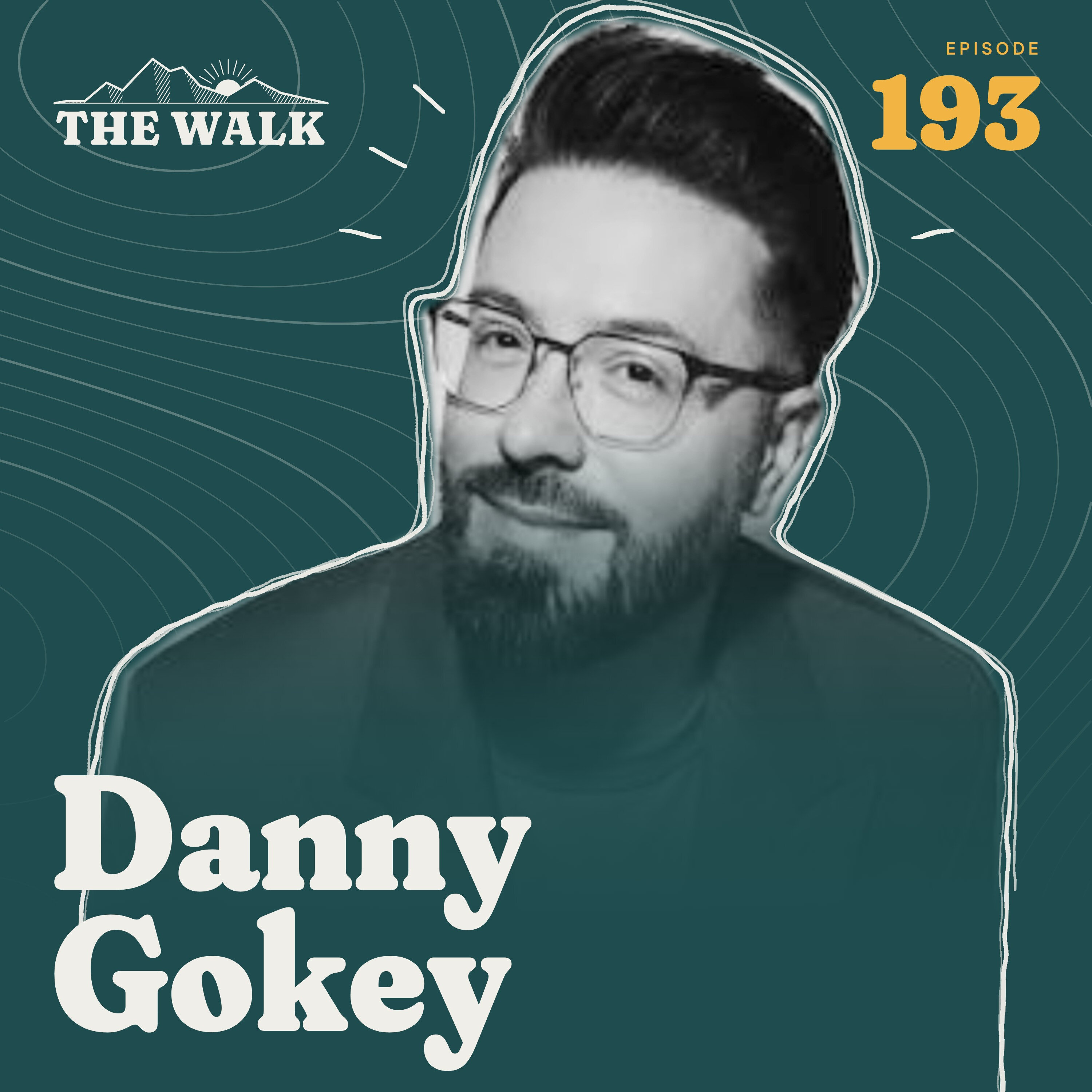
The Walk: Real Stories of Faith - Danny Gokey: Jesus Over Politics, Country, and Everything
Description
Danny Gokey did this interview from his car, minutes after walking out of a recording session, and apologized twice for the signal. It's a fitting entrance for someone who tells Kurtis later in the episode that he almost never cancels anything.
He's in a new season professionally. After a first post-Idol deal that fell apart, he was dropped, and remembers thinking that if you can't make it off American Idol, maybe you can't make it at all. He signed elsewhere and had a good run, then Capitol, and is now with Red Street Records. He repeats what the label head told his manager back then, apparently without irony: I don't know why I'm signing Danny Gokey, but I believe I'm supposed to. Please don't make me lose money. He says he's got a lot of new music coming, and that this batch feels like the best work he's done.
The reason why leads to the best story in the first act. On American Idol he sang whatever got a reaction, the growl, the gravel, the Michael McDonald and Michael Bolton textures, because that's what drew applause. Then he was in a studio with producer Bernie Herms, who stopped him mid-vocal and said that would sound great if he were Michael Bolton, but he wanted to know what Danny Gokey sounded like. Danny was thirty-three, and says nobody had ever asked him that. That question started the work of finding his own voice, and he credits the years since with turning experience into something like mastery.
Then the conversation goes where you'd expect it to and doesn't flinch. Talking about his single "Jesus Over Everything," co-written with DOE, Danny says Jesus brought meaning to losing his first wife, Sophia, to the show, to remarrying. He walks through Joseph and Job to make the point: what makes suffering survivable isn't an explanation, it's God being in it. When Kurtis asks how he actually walked through it, Danny is direct. He had faith God would heal Sophia. It went the opposite direction, and it turned into a funeral. He was angry at God, and he says a lot of it was ignorance and assumption, that God had abandoned him. He lands on John 6, where the hard teaching drives the crowd away and Jesus asks the twelve whether they'll leave too, and Peter says where else could we go. That, Danny says, is where he was: mad, and staying.
He warns about the thing he thinks does the real damage, assigning your own meaning to loss. This must mean I'm unlovable. This must mean God won't save me. Once you attach a meaning that came out of your own hurt, you miss what's actually happening.
The hope section is worth the episode for worship leaders. Danny points to studies on hope, to Romans 15:13, and offers a picture he clearly uses a lot: faith is the engine, hope is the gasoline. Hope is a vision, but internal rather than external, and it's what lets you see a better day before there's any evidence of one. He describes losing Sophia as feeling like an amputation of the soul, and says hope was the thing that kept him moving through it. He also connects belief and hope tightly: your core beliefs drive whether you're hopeful or hopeless, and wrong beliefs bring wrong emotions. He includes himself in that. He's been in hopeless places, believed wrong things, and says he's responsible for his beliefs, decisions, actions, reactions and feelings, which he notes is not what our culture teaches.
The middle of the episode is warmer. His parents made him sing, and he didn't want to. He remembers being twelve in the back seat, hearing his dad lean over to his mom and say your son's got a good voice, and being genuinely surprised. His first solo was at a water park karaoke stand, "Tutti Frutti," a scrawny kid with a growl, a crowd, high fives, and then straight into the wave pool. A youth pastor pushed him toward singing, and years later a pastor told him he was leading worship that day, to which Danny said no I'm not, and was overruled.
That leads to fatherhood, and the most quotable str