Episode Details
Back to Episodes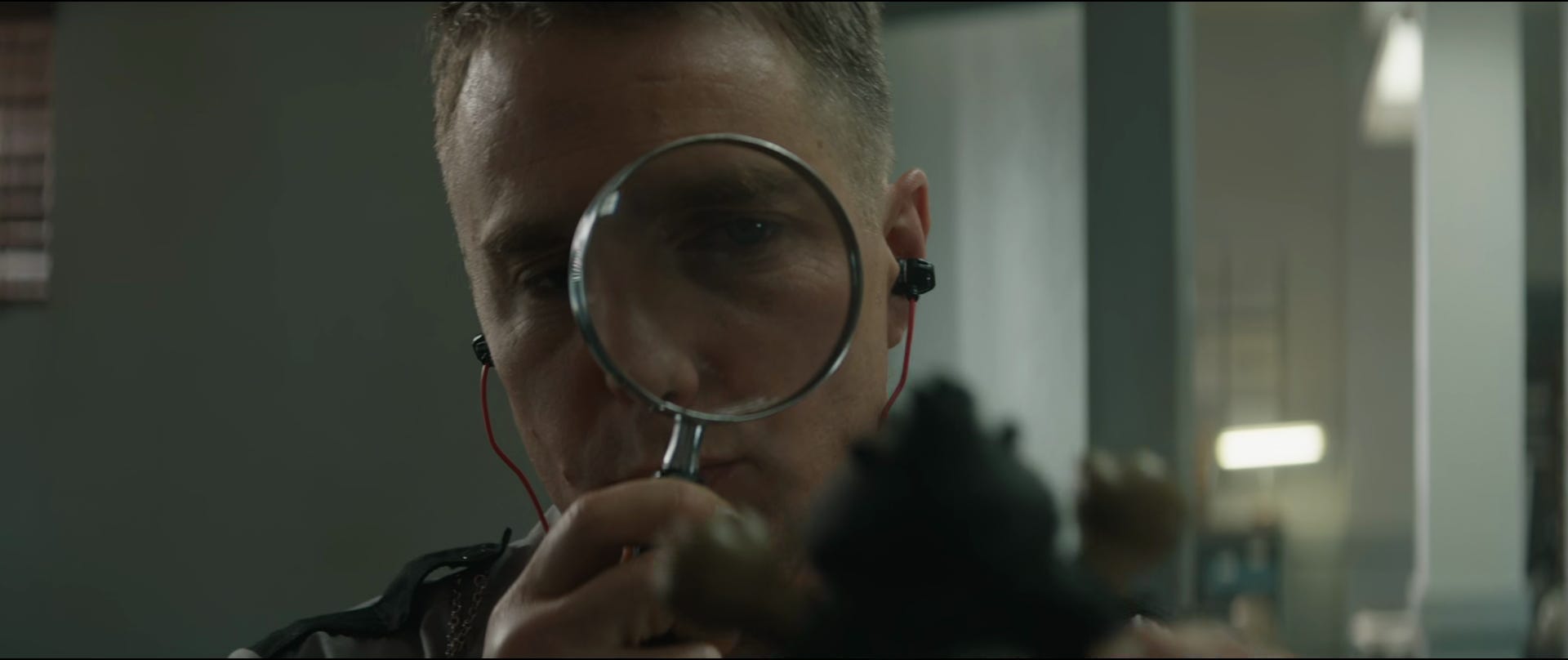
Pathos verging on bathos
Description
October sunrises arrive late because, until the coming weekend, they simply do not decide to set back the clocks. Every year they promise that this seasonal turn will be the last, and every year—back in October and forward in March—they keep shifting the hands. We remain subjects governed by proven incompetents and hustlers, while the best and the brightest are far too busy giving free rein to their greed.
For that very reason, I do what I can so that filthy mediocrity does not splash me, thinking of October as a lazy month, humid and ever hotter. In this little beach town where I stitch words together, it is no scene of Magical Realism to see, on the main street, the smoke from the roasted chestnut and sweet potato stand intertwine with the queues at the Italian ice cream parlor.
If it were up to me, I would make October last forever because I am furiously productive and the visionary within me is operating at peak form. So I try to stitch my freewheeling thoughts and some hardcore truths, thinking that once the cold arrives I will have time enough to edit—though at times I think that editing is sheer cowardice, a concession to the censors of official groupthink.
When one has enjoyed the fortune of living a long life and, in turn, seen successive generations of censors pass by, one recognizes all the tricks of semantic dilution inherent in political correctness.
Homage to Catalonia, Animal Farm, Nineteen Eighty-Four, and Shooting an Elephant and Other Essays demonstrate the obtuse need of power to turn thinking into a low-flying flutter.
Who wants us so idiotic? Who instills in us the fear of the inner voice? Perhaps ourselves? Are we so frightened to think out loud?
These questions were lingering in my mind while I was watching the before and after of a phenomenal American actress, Frances Louise McDormand, in two films spanning thirty years: Mississippi Burning and Three Billboards Outside Ebbing, Missouri.
Even though I had seen both movies back in the day, displays and sound have improved so much that I had the impression it was my first time watching them, a feast far more interesting than alternating Italian ice creams with roasted chestnuts and sweet potatoes—as frumpy housewives do to appease children they do not even bother to discipline, busy as they are with doom-scrolling or recording messages with an iPhone held out like a slice of toast with jam.
McDormand is an actress of chiseled features with a cleft chin, a horsy beauty that bucks and kicks out of pure despair. There is a scene in Ebbing where she dishes out kicks to the groin equally to boys and girls because, out of sheer cowardice, they threw their milkshake at her car’s windshield. But there are so many other scenes in that movie that listing them would exceed the scope of these lines. Suffice it to say that in Mississippi Burning she plays the exact opposite role: a woman married to a racist cop whom she covers for despite herself.
I would bet that Martin McDonagh wrote Ebbing as a bespoke gift for McDormand—a gift I envy since, in novels, it is the imagination of the generous reader that does the casting. And there is little generosity while reading on the diagonal for unmentionable reasons of laziness; all the more reason to bet on oral storytelling.
It goes without saying Mississippi Burning was painted with a broad brush: highly sensationalistic, at times even comical when it tries to be tragic. Or as critics often say when referring to the lack of skill in inept drama: pathos verging on bathos.
By the way, in Ebbing it was not McDormand but Sam Rockwell who made me truly laugh, playing Dixon—a racist, useless, torturing cop who nonetheless possesses redeeming qualities that only the accumulation of his blunders and a letter from the beyond manage to unlock.
I