Episode Details
Back to Episodes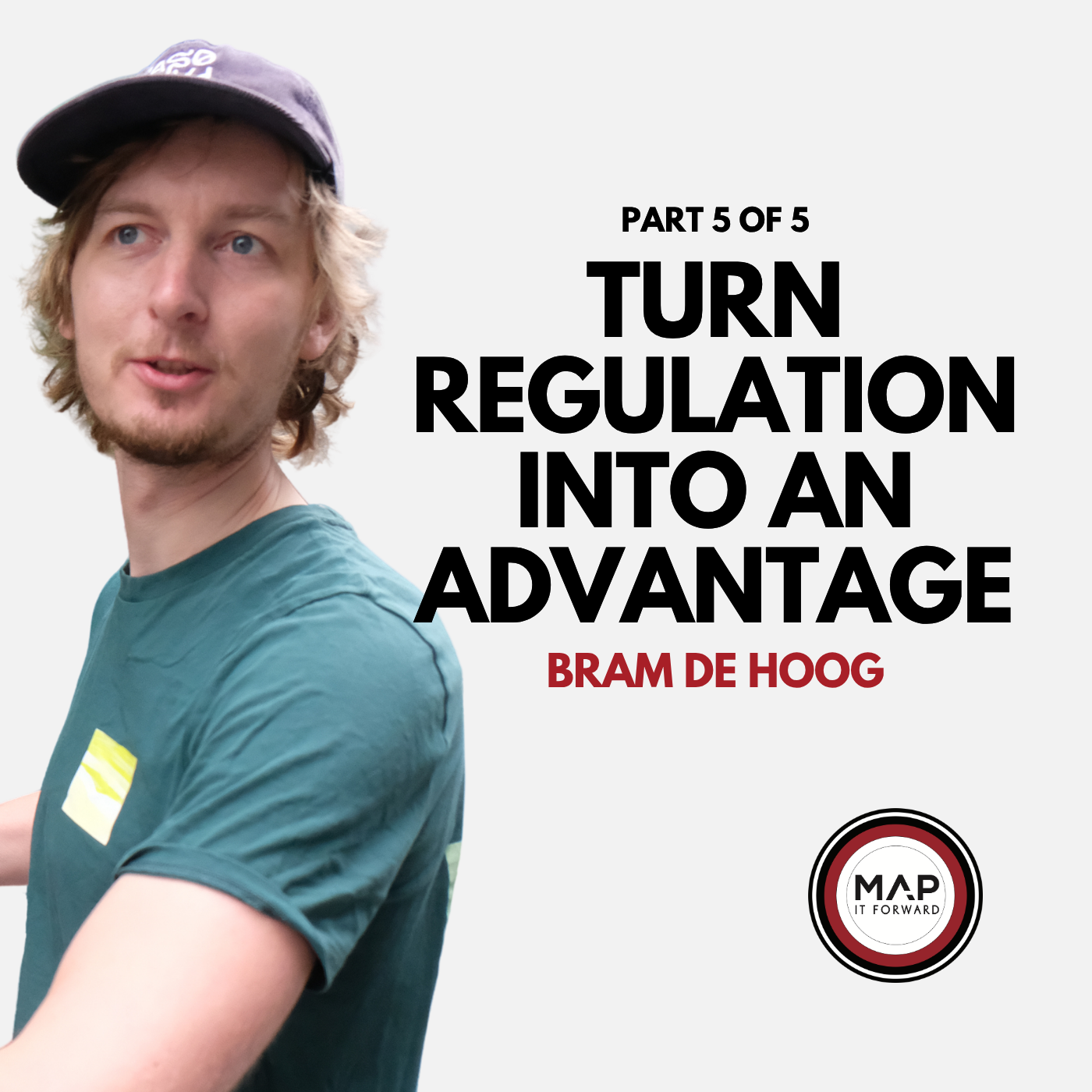
Turning Coffee Supply Chain Regulations Into a Business Advantage (Bram de Hoog) - EP1710 Part 5 of 5 (Map It Forward)
Description
Advertising Sponsor
Want to increase your brand awareness in the coffee industry? Advertise on this Map It Forward podcast. Email support@mapitforward.org and start the conversation today.
Episode Description
This is part 5 of a new 5-part series on The Daily Coffee Pro Podcast by Map It Forward, hosted by Lee Safar. Our guest on the podcast for this series is Bram de Hoog, co-owner of Paso Paso Coffee, a farmer-owned coffee roastery based in Hanover, Germany.
The theme of this series is alternative trade models and farmer engagement in the consuming market.
Coffee businesses frequently describe regulatory compliance as expensive, complicated, and frustrating. But can the requirements that create additional work also provide opportunities to build stronger businesses and more transparent supply chains?
In this final episode, Lee and Bram examine how coffee roasters and importers can approach compliance as something more than an administrative burden.
Bram explains why Paso Paso has made regulatory preparedness an important part of its operations, particularly given its unconventional ownership structure, which brings together coffee farming families from producing countries as shareholders in a German roasting business.
The conversation examines European supply chain regulations, including the EU Deforestation Regulation (EUDR), and packaging requirements intended to improve consumer safety and reduce environmental harm.
Bram describes how Paso Paso's existing relationships with its producer-shareholders have enabled the company to collect information about where its coffee is grown and prepare documentation relating to deforestation requirements.
They also discuss Paso Paso's packaging decisions, including its use of laboratory-tested mono-material plastic bags designed to simplify recycling and avoid certain harmful substances.
For Bram, this preparation is not simply about meeting legal obligations. It is also about protecting customers, reducing uncertainty for wholesale partners, and demonstrating that the business takes its responsibilities seriously.
The discussion distinguishes mandatory regulatory compliance from voluntary certifications and explores why small businesses can simultaneously support the objectives of legislation while questioning the costs and bureaucracy associated with implementation.
Lee and Bram consider how regulation can encourage greater accountability and transparency throughout the coffee supply chain, even when its implementation creates substantial challenges for businesses with limited resources.
As the five-part series concludes, Bram reflects on what he hopes Paso Paso will contribute to the coffee industry in the years ahead.
Listen Now
Love PodBriefly?
If you like Podbriefly.com, please consider donating to support the ongoing development.
Support Us