Episode Details
Back to Episodes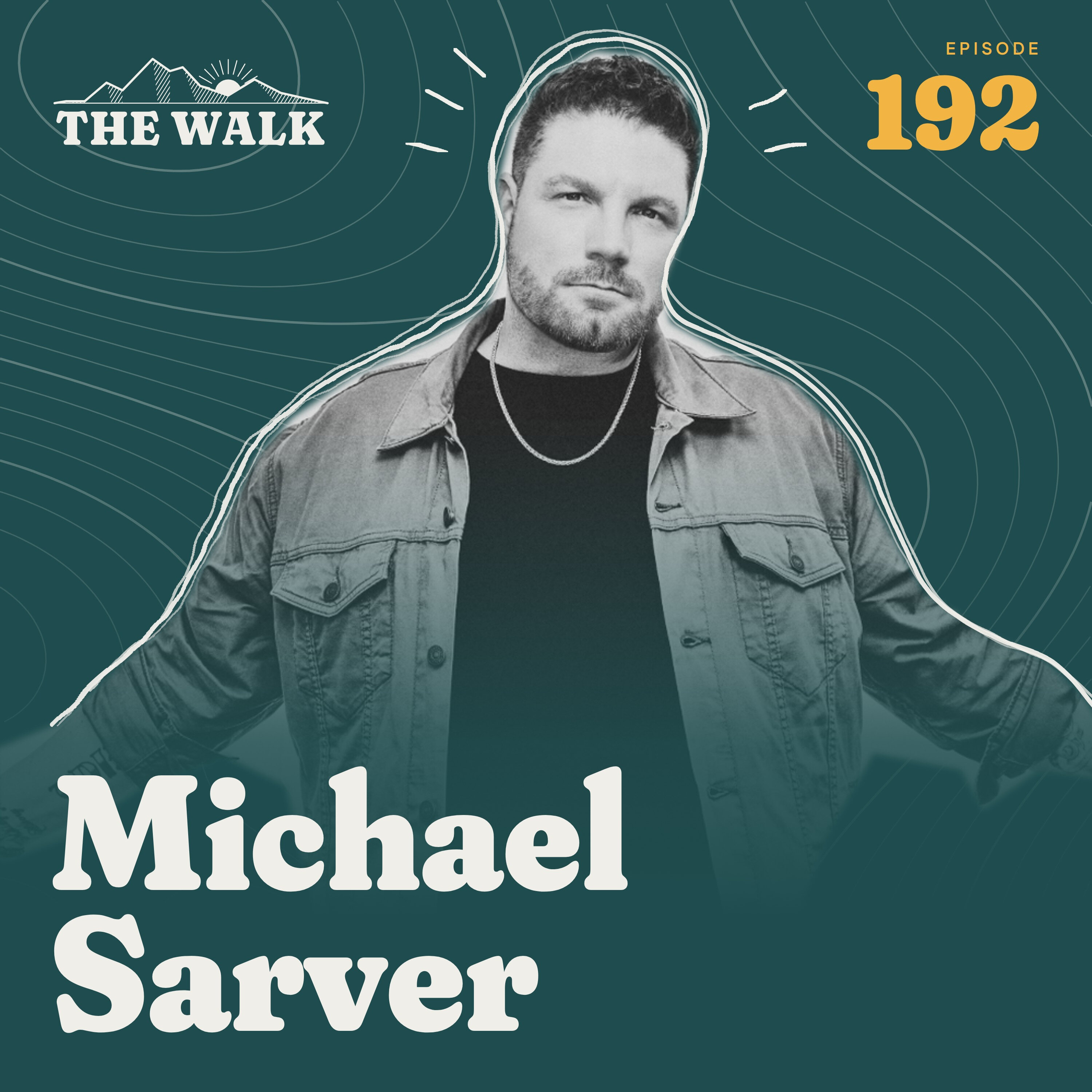
The Walk: Real Stories of Faith - Michael Sarver: Shame Is the Number One Battle of My Life
Description
Michael Sarver moved to Nashville in February after a lifetime in Louisiana and East Texas, and the conversation opens the way conversations with new transplants do, with gumbo, hot chicken, and the strange feeling of no longer needing to book a flight home. Then it goes somewhere else entirely.
He grew up Pentecostal, and jokes that the first place he went after the hospital might literally have been church. Music was around him constantly: live drums, real instruments, a choir he loved. But it didn't become his until he was eleven. His mother had remarried, and what looked like a good thing became an abusive one. Michael describes running to his room and turning music on, and finding that it shifted the atmosphere and shifted his spirit when he was frightened and in pain. That's when he learned music was more than a sound. Not long after they got out of that situation, he auditioned for a church choir with a minimum age of thirteen or fourteen, and got in at eleven. His first time leading was a Larnelle Harris song with what he remembers as about fifty key changes, and he says that was the day it went from wanting to do this to knowing it was his.
At fourteen he wrote his first song, "Broken Pieces," the night before a Sunday special he'd already picked a Phillips, Craig and Dean song for. He credits Steven Curtis Chapman as the reason he writes at all, someone taking the noise in his head and putting it on paper. He's written over 3,800 songs since. While other kids played football, he went straight home and taught himself to sing like Michael English and the guys from Avalon, always finding somebody stronger and pushing until he could do what they could do.
He's candid about the rest of it: legal trouble as a late teen, being bullied for years over his religion and for how little his family had, and real church hurt. He calls religion a poison that almost destroyed his faith. When his sister invited him to a church in Jasper, Texas, he sat there judging the pastor's wife for wearing makeup and the women for wearing pants, and recognized he was doing to those people exactly what had been done to him. What broke it was a worship rehearsal. The presence of God showed up in a room full of people who wore makeup and cut their hair and grew beards, and it undid the framework he'd been handed. That church is also where he met his wife, though not the way you'd guess: the man who kept shaking his hand every week and telling him somebody noticed him today, the one Michael found mildly annoying, turned out to be his future father-in-law.
American Idol happened almost by accident. He drove twenty-plus hours across Texas to Arizona to support his sister-in-law's audition, and made it himself. He went back to the oil rig between rounds, sweating it out and waiting for the next call. What he thinks made the difference was worship leading. On group night, when everyone around him fell apart, he was the one feeding lines and holding it together, because that's what he'd trained to do on a platform. He also had something most contestants didn't: he didn't need the show. He had a wife, two kids, a church he loved and good money on the rig. When producers went looking for the story about his dad leaving when he was two, he told them that wasn't a tree they were climbing today. He finished in the top ten of Season 8, and speaks warmly about Danny Gokey, who he says held him up during it.
Then the part he doesn't soften. He signed with Dream Records and went country, because everyone said country, the accent, the size, the Texas of it all. He explains it as a branding decision, sound and image as two brands that have to marry. And he says plainly that it was the wrong one. Not a detour God used, not a season of preparation. He says he liked being famous, chased what he thought would bring the most credit, and left his actual purpose behind. Around six years ago, right as COVID cancelled everyone's tours, h