Episode Details

Back to Episodes
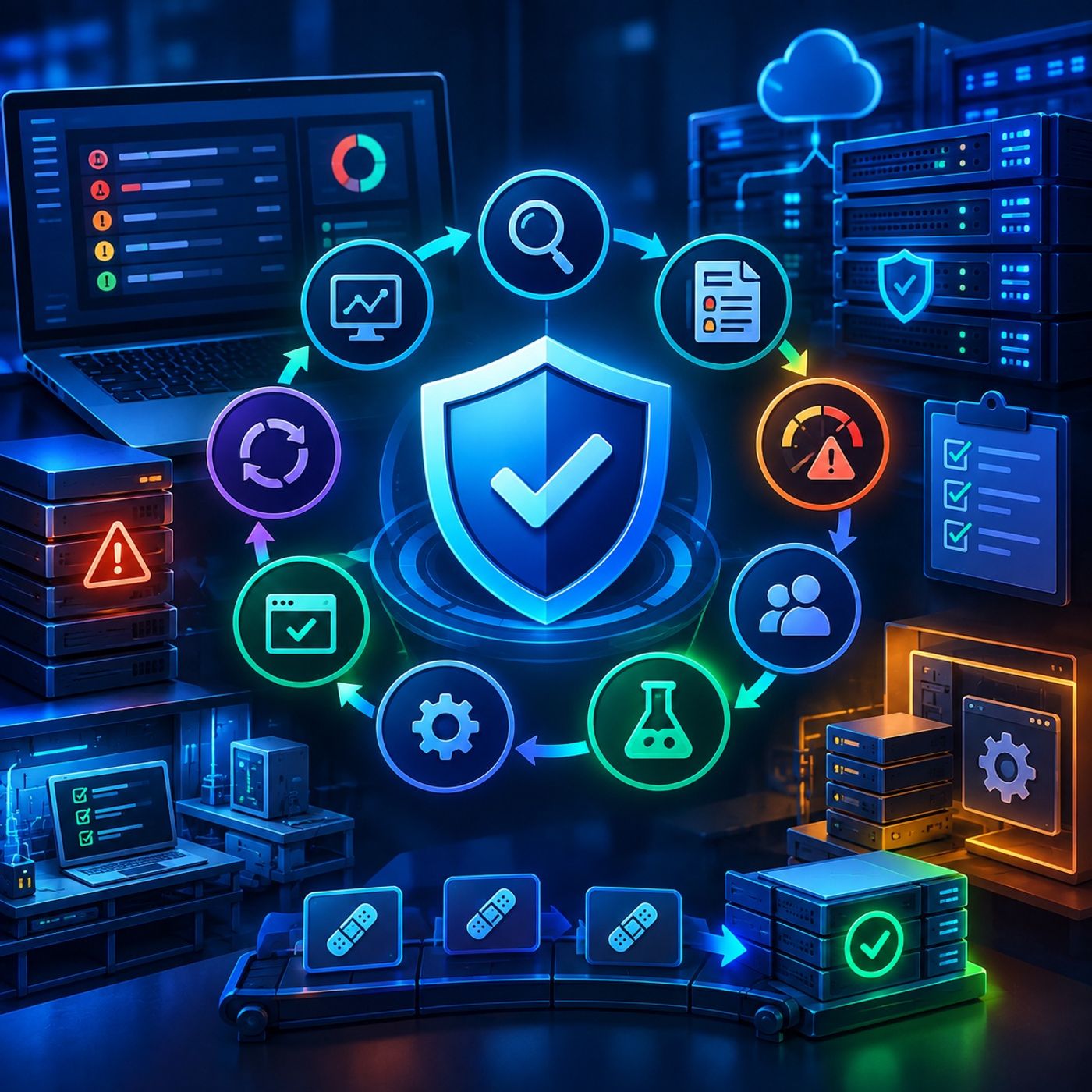
Course 46 - CompTIA Cybersecurity Analyst | Episode 15: Reporting, Prioritization, and Patching

Course 46 - CompTIA Cybersecurity Analyst | Episode 15: Reporting, Prioritization, and Patching

Published 1 week, 2 days ago
Description
Episode OverviewThis episode explores the end-to-end vulnerability remediation process, following security findings from initial scan results through risk-based prioritization, patch testing, production deployment, and governance.It examines why vulnerability management does not end when a scanner identifies a weakness. Security teams must interpret findings, determine which issues represent the greatest organizational risk, coordinate with system owners, validate remediation strategies, and deploy fixes without unnecessarily disrupting critical business operations.Key Topics Covered1. Vulnerability Reporting and Security MetricsThe episode begins with the analysis of vulnerability-scanning dashboards and reports, using platforms such as Nessus to demonstrate how large volumes of findings can be organized into actionable information.Findings can be grouped according to severity categories such as:
  • Critical
  • High
  • Medium
  • Low
Security teams can then examine affected hosts, vulnerability types, exposure levels, and other contextual information to identify systems requiring urgent attention.Particular attention should be given to vulnerabilities that could enable serious outcomes such as remote code execution, especially when vulnerable systems are exposed to untrusted networks.The goal of reporting is to transform scanner output into information that security teams and management can use to make remediation decisions.2. Risk-Based Remediation PrioritizationA central theme of the episode is that CVSS scores should not be used as the sole determinant of patching order.A vulnerability's technical severity is important, but actual organizational risk can depend on additional factors, including:
  • Asset criticality
  • Internet exposure
  • Exploit availability
  • Threat intelligence
  • Vulnerability prevalence
  • Business impact
  • Remediation complexity
  • Available compensating controls
  • Cost and operational effort
For example, an externally exposed server with a highly exploitable vulnerability may require more immediate attention than a similarly scored vulnerability affecting an isolated internal system.The episode therefore presents prioritization as a balance between technical risk, business context, exposure, and available remediation resources.3. Resource Constraints and Remediation StrategyOrganizations rarely have unlimited personnel, maintenance windows, or technical resources.Security teams may discover hundreds or thousands of vulnerabilities, making immediate remediation of every finding impractical.Effective prioritization allows organizations to concentrate available resources where they can reduce the greatest amount of risk.This can involve categorizing findings by urgency, establishing remediation queues, assigning ownership, and applying defined service-level expectations.4. Collaboration Between Security and IT OperationsVulnerability remediation is a collaborative process.Vulnerability analysts identify and assess security weaknesses, while system administrators and application owners are generally responsible for implementing technical changes within their environments.Effective collaboration requires:
  • Clear ownership
  • Accurate vulnerability information
  • Defined remediation deadlines
  • Communication of business impact
  • Coordinated maintenance windows
  • Exception and risk-acceptance procedures
  • Verification after remediation
The objective is to avoid treating vulnerability management as an isolated security-team responsibility.5. Patch Testing Before ProductionApplying security patches directly to critical production systems can introduce operational risks.The episode emphasizes testing patches in control
Listen Now

Love PodBriefly?

If you like Podbriefly.com, please consider donating to support the ongoing development.

Support Us