Episode Details
Back to Episodes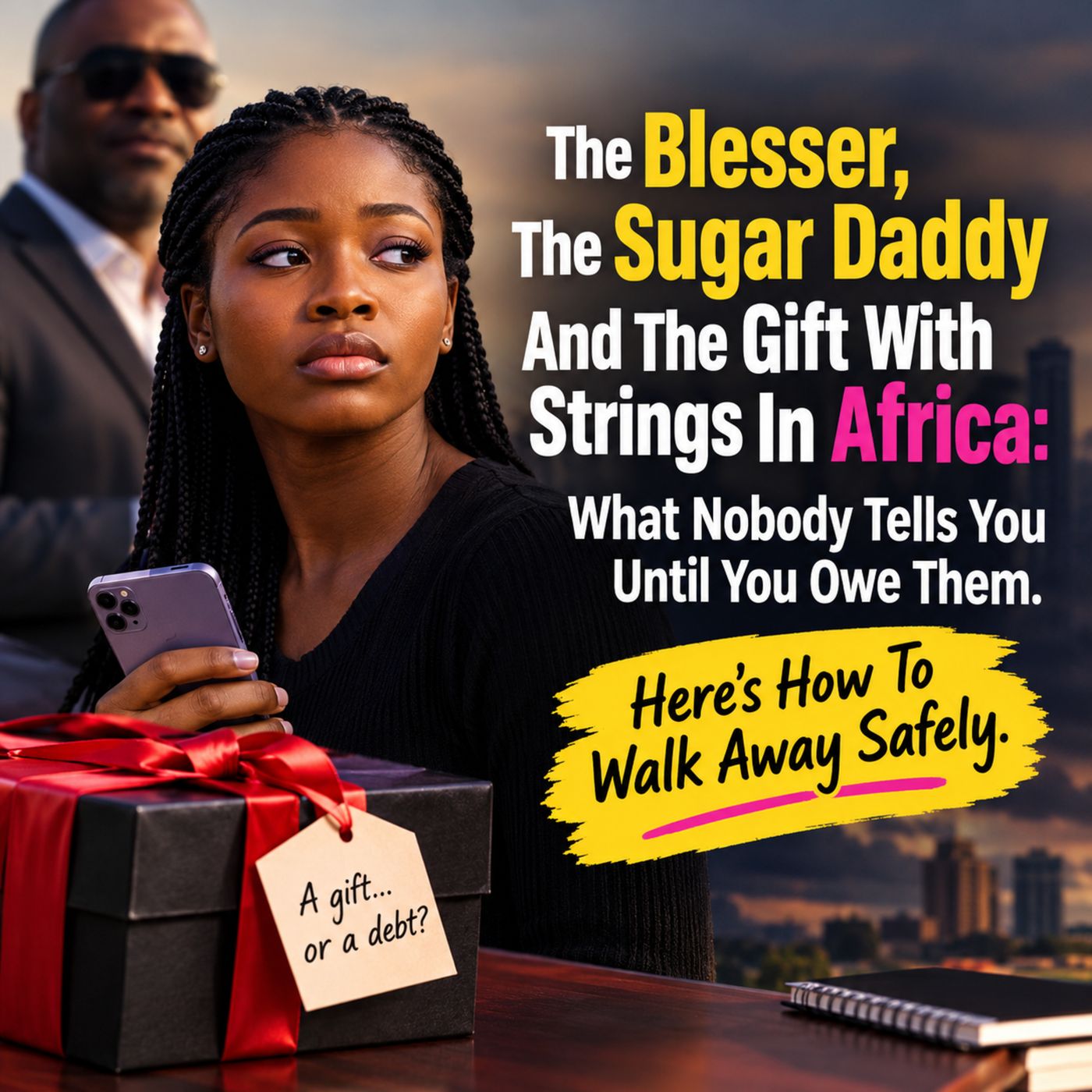
The Blesser, The Sugar Daddy And The Gift With Strings In Africa: What Nobody Tells You Until You Owe Them. Here's How To Walk Away Safely.
Published 4 weeks, 2 days ago
Description
The phone arrives as a surprise. The money comes when she needs it most. Her friends tell her she is lucky, and for a while, she believes them. But when she finally says she wants to stay home, the message changes: "After everything I have done for you?"What happens when a gift starts feeling like a debt? And what do you do when the man helping you afford the life you want begins to control the life you actually have?Across Africa, the blesser and sugar daddy phenomenon raises difficult questions about financial pressure, social status, sexual expectations, and the risks young women can face when money becomes a tool of control. The problem is not that a woman accepts a gift or chooses an older partner. The danger is when she loses the freedom to say no.This Emotional Intelligence Developer episode follows Nomsa, a young woman whose new phone and improved lifestyle slowly become sources of pressure. As her studies, independence, and sense of safety begin to suffer, she has to confront a difficult truth: the things she thought were helping her move forward may be making it harder to leave.We also examine the potential risks of sexual coercion, HIV and other sexually transmitted infections, unintended pregnancy, emotional abuse, blackmail, and human trafficking. These risks do not apply to every age-gap relationship, but warning signs such as threats, forced sexual activity, secret travel, restricted movement, and control over documents must be taken seriously.A note on safety: If someone is using gifts or money to threaten, control, or sexually exploit you, you are not required to repay them with your body. Do not confront a threatening person alone. Seek confidential support and make a safety plan. If you may have been exposed to HIV, seek urgent medical care because PEP must be started within 72 hours of exposure. In Zimbabwe, Childline provides a free helpline for children on 116. In South Africa, the Gender-Based Violence Command Centre is available on 0800 428 428. If you live elsewhere, contact findahelpline.com If you are experiencing this, or you know someone who might be, listen without judgement. Asking whether someone feels safe can be more helpful than asking why they accepted the gifts.You can find more free tools on emotionalintelligencedeveloper.com to help you recognise unhealthy relationship patterns, build emotional awareness, and protect your boundaries.Timecodes 00:00 The phone at the gate and the gift she cannot afford01:36 When kindness starts coming with conditions04:32 The friend, the secret conversation, and the uncomfortable truth05:43 The blesser phenomenon and the pressure to fit in07:32 The questions young women are afraid to ask08:33 The cost to education, sexual health, and independence09:37 When gifts become tools of control and exploitation10:04 How to protect yourself and plan a safer way out12:37 The safety note: coercion, trafficking, and where to seek help14:23 Your future is worth more than the gift
Become a supporter of this podcast: https://www.spreaker.com/podcast/emotional-intelligence-developer--6645891/support.
🤝 Become a community member:
https://members.emotionalintelligencedeveloper.com/
FREE EMOTIONAL INTELLIGENCE TOOLS
A free emotional support tool you might find useful Suicide Prevention Awareness Tool: https://e