Episode Details
Back to Episodes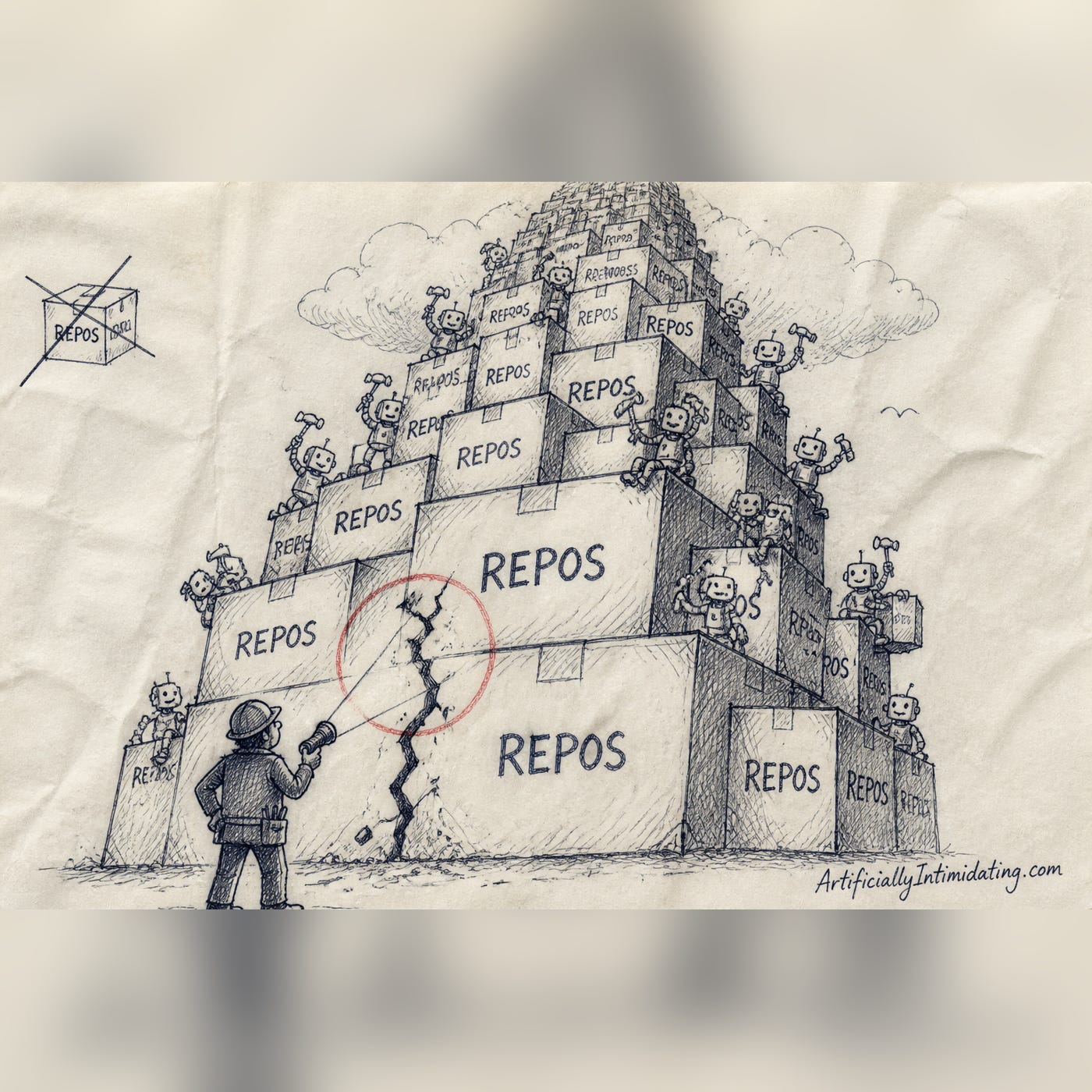
Coding Agents Are Wearing Down the Code They Write -- AI Brief October 5
Description
Good day %%first_name%%. Sourcegraph’s CEO says coding agents are wearing down the very codebases they write into, Microsoft’s annual security report says attackers got the AI head start, and a shopper agent walks into a store with nobody behind the counter. Also on the menu: a Composio engineer declaring dashboards dead, and two governors from opposite parties deciding not to wait for Washington. Let’s get into it.
Coding Agents Are Eroding Big Codebases AI Engineer
* What happened: Sourcegraph CEO Dan Adler told the AI Engineer World’s Fair that coding agents are producing a “tidal wave” of code, and the decades-old codebases that run banks, cars and airlines are starting to decay: duplicated code, drifting standards, brittle dependencies and fresh vulnerabilities. The talk went up on YouTube Sunday and doubles as a pitch for Sourcegraph’s Agentic Batch Changes, which makes one change across thousands of repositories from a single prompt.
* Why it matters: A repository is one project’s folder of code, and a big company can have tens of thousands of them. Adler’s argument is that context, not model quality, is the bottleneck: agents understand code by searching, and “you can’t grep what you can’t see.” He also says 72% of software jobs are at companies with more than 500 people, so the old, sprawling code he’s describing is where most programmers actually work.
* What everyone’s saying: Sourcegraph’s launch post, dated September 14, says customers merged nearly a thousand changesets during the beta, and quotes Mercari’s Patrick Klitzke fixing a GitHub Actions configuration vulnerability with one prompt, then finding “around 80 potential repos affected” across the company. Viewers under the video aren’t all sold: two commenters note the talk was filmed in June and question whether newer models have already overtaken it.
* My read between the lines: Agents made the sprawl, and the vendor is now selling an agent to count it. The detail I trust is the pricing: Sourcegraph charges per changeset your team actually merges, not per token, seat or attempt. A company that only gets paid for work you accept either believes its demo or has run out of other ideas.
📖 Further reading: The Boring Layer That Decides If Your AI Survives — Adler calls owning a big codebase the unglamorous, load-bearing work, and this is my post on the plumbing nobody notices until 3am.
Ninety thousand repositories is Sourcegraph’s problem. Yours is probably ninety open tabs and a report due Friday. Viktor is an AI agent that lives in Slack and connects to 3,000+ of your tools, then does the work: reports, dashboards, code and campaigns. Not a chatbot. A coworker you brief like one. New readers get $50 off their first month. Hire Viktor →
Shopper Agents Have Nobody to Haggle With Platforms
* What happened: Sangeet Paul Choudary argues in his Platforms newsletter that consumer-side agents like Meta’s Muse and Instinct can search, compare and eventually buy for you, but sellers still answer with catalogues, price lists and fixed offers. He calls the result a “lopsided agent economy” and puts it plainly: “We have agentic participants but don’t have agentic markets yet.”
* Why it matters: His travel example makes it concrete. A traveller’s agent can know she’d leave a day earlier for a nonstop and pay more if a disruption is handl