Episode Details
Back to Episodes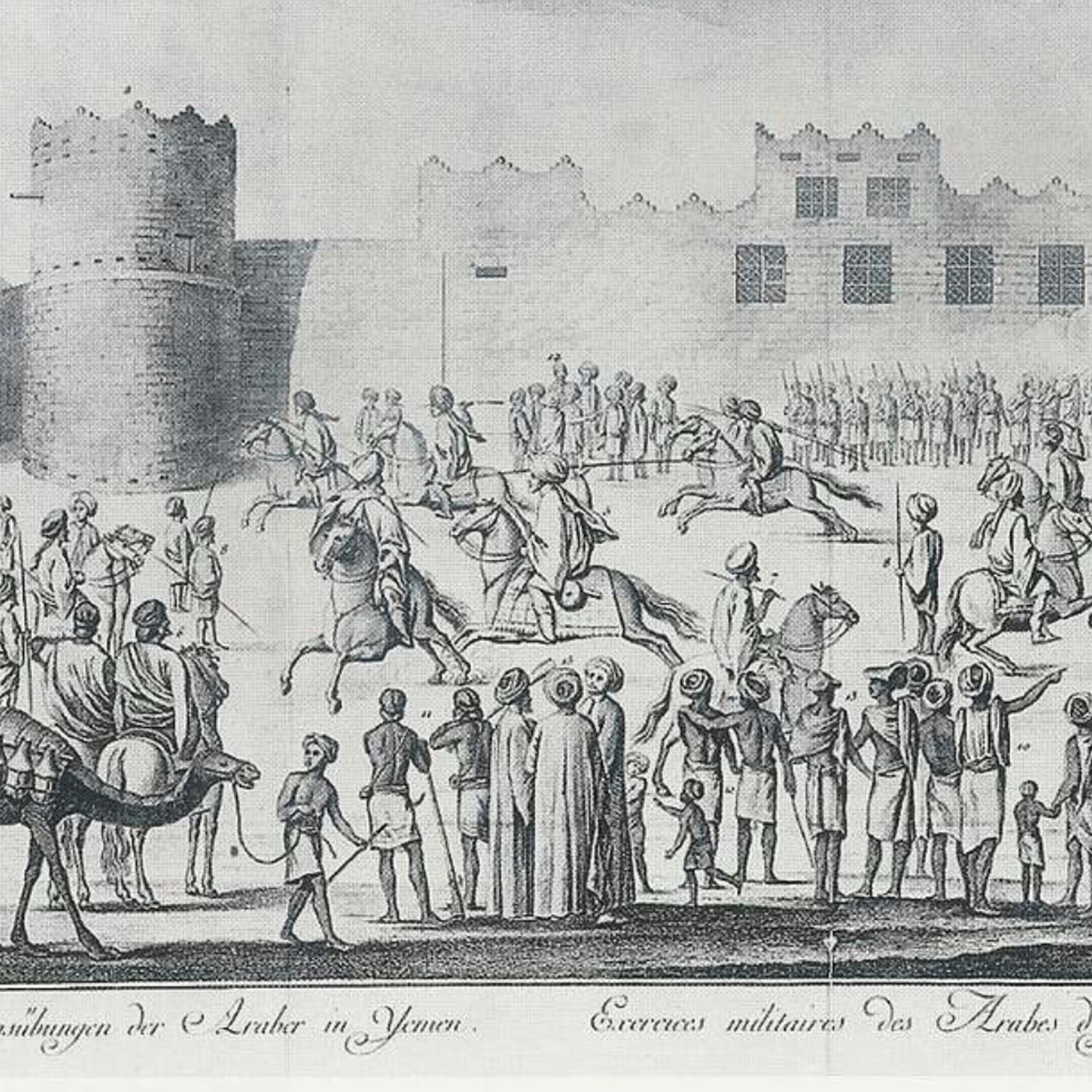
CONTENTS-THE JOHN BATCHELOR SHOW, 9-30-2026
Published 1 day, 23 hours ago
Description
1767 ARABIA
CONTENTS-THE JOHN BATCHELOR SHOW, 9-30-2026
Oil Prices Defy Market Reports
Michael Bernstam examines a major disconnect between oil reporting and market conditions, where crude oil benchmark prices remain extremely high at $103.50 per barrel despite reports that most Middle Eastern oil is back on the market. Up to 17.1 million barrels per day are moving via alternative routes, such as the Omani route and Saudipipelines, protected by the U.S. Navy. Meanwhile, global oil reserves were depleted by 57 million barrels, and China has resumed imports to refill its reserves. Furthermore, European countries like Germany are seeking energy partnerships with Kazakhstan to bypass Russian political and economic dependence. (1)Hijack Attempt Aboard FlyDubai Flight
Bill Roggio analyzes an incident aboard a FlyDubai flight bound for Tel Aviv where a co-pilot attempted to crash the airplane after stabbing the pilot, but was subdued by courageous passengers and crew. Roggio critiques the label "lone wolf," noting that it often dangerously disassociates attackers from broader terrorist networks, much like historic cases linked to radical planners. The discussion highlights strict security protocols for Israeli flights and raises serious questions about how a weapon was smuggled past screening. Separately, British authorities arrested individuals connected to state-sponsored Iranian threats, illustrating persistent global security risks amid early reporting uncertainties. (2)Aging Triad Demands Urgent Modernization
Peter Huessy reflects on Cold War civil defense drills and stresses the urgent necessity of modernizing America's aging nuclear triad. The U.S. military currently operates 42-year-old submarines, 55-year-old Minuteman III ICBMs, and 70-year-old B-52 bombers that risk rusting into obsolescence without modernization. Huessy details historical arms control pacts, noting how exiting the 1972 ABM Treaty allowed the U.S. to build defensive interceptor systems against emerging missile threats from states like North Korea. Facing nuclear build-ups and aggressive posturing from Russia, China, and North Korea, the U.S. relies on extended nuclear deterrence and allied cooperation to maintain strategic stability. (3)Beijing Blocks Second Thomas Resupply
Captain James Fanell, co-host Gordon Chang: Fanell discusses aggressive Chinese maritime tactics in the South China Sea, where a coordinated force of three PLA Navy warships and eleven Coast Guard and maritime militia vessels blocked two small Philippine Coast Guard vessels resupplying the grounded outpost Sierra Madre. This blockade broke a series of fifteen successful resupply missions conducted since July 2024, demonstrating Beijing's willingness to violate international agreements and its own signed code of conduct. Fanell notes that internal purges of over one hundred senior military officers in Beijing have not disrupted the execution of these coordinated bullying operations against neighboring sovereign nations. (4)
US Navy Protects Hormuz Transit
Rebecca Grant, co-host Gordon Chang: Grant refutes Iranian propaganda claiming disruption of U.S. Fifth Fleetoperations near the Strait of Hormuz. Grant explains that Iran lacks precise real-time tracking capabilities to target agile, fast-moving American destroyers and aircraft carriers operating in deep zone defense formations. Even if foreign satellites provide imagery, targeting data quickly becomes stale and ineffective. Under U.S. Navy protection, between 10 and 20 million barrels of oil per day continue to transit safely out of the Gulf. This maintains an effective economic blockade on Iranian exports while keeping vital global shipping lanes secure. (5)
Trump Meets Xi In Washington
Charles Burton, co-host Gordon Chang: Burton evaluates the summit between U.S. and Chinese leaders in Washington, describing it as a diplomatic spectacle
CONTENTS-THE JOHN BATCHELOR SHOW, 9-30-2026
Oil Prices Defy Market Reports
Michael Bernstam examines a major disconnect between oil reporting and market conditions, where crude oil benchmark prices remain extremely high at $103.50 per barrel despite reports that most Middle Eastern oil is back on the market. Up to 17.1 million barrels per day are moving via alternative routes, such as the Omani route and Saudipipelines, protected by the U.S. Navy. Meanwhile, global oil reserves were depleted by 57 million barrels, and China has resumed imports to refill its reserves. Furthermore, European countries like Germany are seeking energy partnerships with Kazakhstan to bypass Russian political and economic dependence. (1)Hijack Attempt Aboard FlyDubai Flight
Bill Roggio analyzes an incident aboard a FlyDubai flight bound for Tel Aviv where a co-pilot attempted to crash the airplane after stabbing the pilot, but was subdued by courageous passengers and crew. Roggio critiques the label "lone wolf," noting that it often dangerously disassociates attackers from broader terrorist networks, much like historic cases linked to radical planners. The discussion highlights strict security protocols for Israeli flights and raises serious questions about how a weapon was smuggled past screening. Separately, British authorities arrested individuals connected to state-sponsored Iranian threats, illustrating persistent global security risks amid early reporting uncertainties. (2)Aging Triad Demands Urgent Modernization
Peter Huessy reflects on Cold War civil defense drills and stresses the urgent necessity of modernizing America's aging nuclear triad. The U.S. military currently operates 42-year-old submarines, 55-year-old Minuteman III ICBMs, and 70-year-old B-52 bombers that risk rusting into obsolescence without modernization. Huessy details historical arms control pacts, noting how exiting the 1972 ABM Treaty allowed the U.S. to build defensive interceptor systems against emerging missile threats from states like North Korea. Facing nuclear build-ups and aggressive posturing from Russia, China, and North Korea, the U.S. relies on extended nuclear deterrence and allied cooperation to maintain strategic stability. (3)Beijing Blocks Second Thomas Resupply
Captain James Fanell, co-host Gordon Chang: Fanell discusses aggressive Chinese maritime tactics in the South China Sea, where a coordinated force of three PLA Navy warships and eleven Coast Guard and maritime militia vessels blocked two small Philippine Coast Guard vessels resupplying the grounded outpost Sierra Madre. This blockade broke a series of fifteen successful resupply missions conducted since July 2024, demonstrating Beijing's willingness to violate international agreements and its own signed code of conduct. Fanell notes that internal purges of over one hundred senior military officers in Beijing have not disrupted the execution of these coordinated bullying operations against neighboring sovereign nations. (4)
US Navy Protects Hormuz Transit
Rebecca Grant, co-host Gordon Chang: Grant refutes Iranian propaganda claiming disruption of U.S. Fifth Fleetoperations near the Strait of Hormuz. Grant explains that Iran lacks precise real-time tracking capabilities to target agile, fast-moving American destroyers and aircraft carriers operating in deep zone defense formations. Even if foreign satellites provide imagery, targeting data quickly becomes stale and ineffective. Under U.S. Navy protection, between 10 and 20 million barrels of oil per day continue to transit safely out of the Gulf. This maintains an effective economic blockade on Iranian exports while keeping vital global shipping lanes secure. (5)
Trump Meets Xi In Washington
Charles Burton, co-host Gordon Chang: Burton evaluates the summit between U.S. and Chinese leaders in Washington, describing it as a diplomatic spectacle