Episode Details
Back to Episodes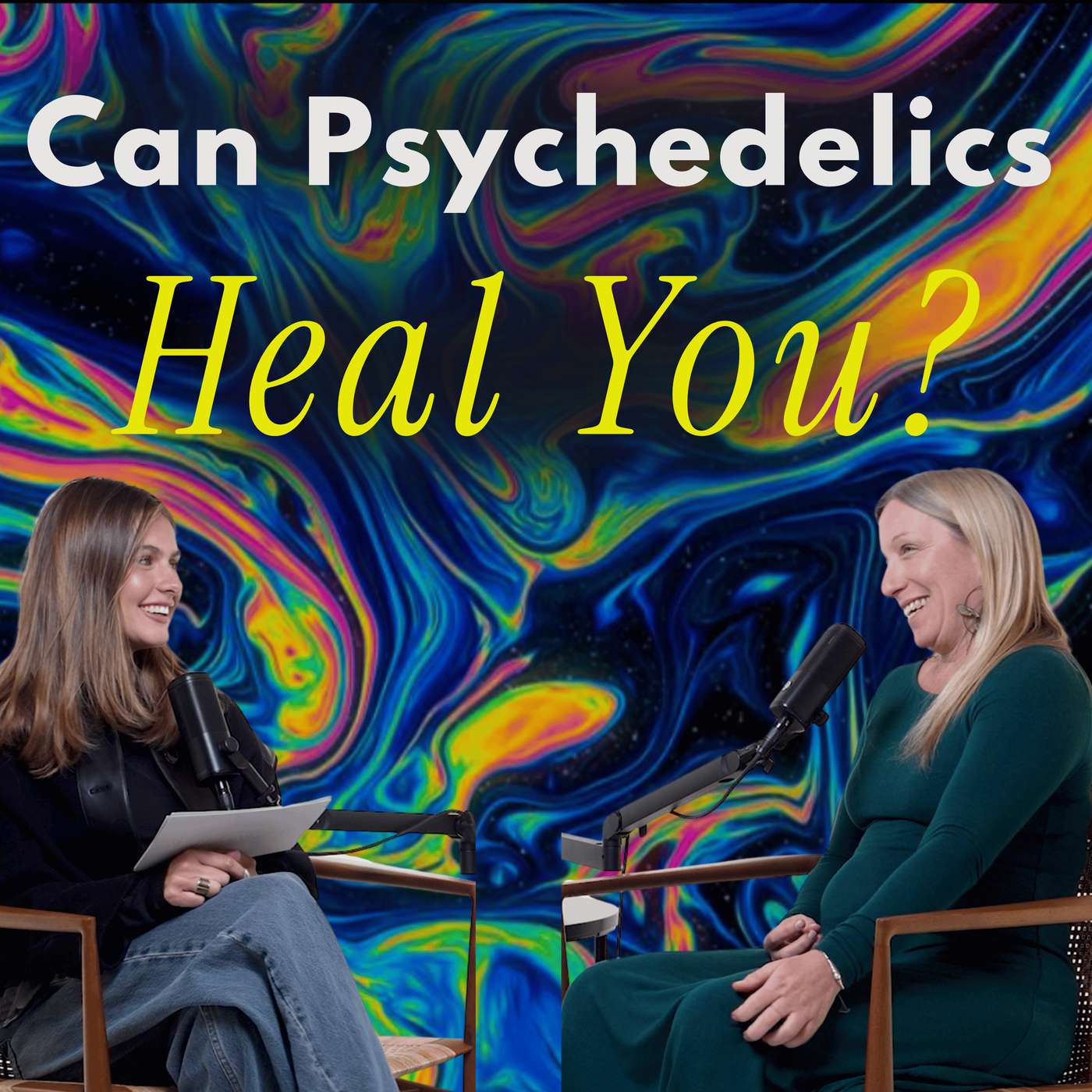
Psychedelic Expert: How Psychedelics Can Rewire a Traumatised Brain
Description
We were told psychedelics would fry your brain. Today, in clinical trials, they're being used to help people with depression, PTSD, and anxiety heal from what happened to them. DrEsme Dark is a clinical psychologist and somatic psychotherapist who spent a decade working with trauma survivors and refugees. She now guides people through psilocybin- and MDMA-assisted therapy in Australia, one of the leading countries in the field, and is involved in a first-of-its-kind trial using psilocybin for concussion.
She also hosts the podcast Beyond the Trip.
In this episode, she explains:
■ From Trauma Work to Psychedelics: How her work with trauma survivors led her to the research, and why the most surprising thing she has learned is that you never know where a person’s journey will go.
■ The Snow Globe Effect: How psychedelics change the way the brain communicates, why she compares the experience to shaking a snow globe, and how that can loosen the rigid thought patterns that keep people stuck.
■ MDMA Is Not a Classic Psychedelic: What makes it different, why it can help people work through trauma, and the surprising history of where it started.
■ What Therapy Actually Looks Like: The preparation sessions, what happens on dose day, and why the integration afterwards matters most. The medicine supports the therapy, not the other way around.
■ Is It Real? Why she says science and mystery both belong in this conversation, how traditional cultures have used these medicines for thousands of years, and why the feeling of an experience can matter even when the content isn’t literal.
■ Myth or True: A quick-fire round on addiction, brain damage, getting “stuck” on a trip, and whether you can reach a similar state without a drug.
This episode discusses trauma and mental health. It is educational and not medical advice. In Australia, psychedelic-assisted therapy is only available through authorised clinicians and approved trials.
01:15 Intro: From Trauma Work to Psychedelic Therapy
03:11 What Has the Brain Taught Her?
04:15 What Are Classic Psychedelics?
06:00 How Psychedelics Change the Brain
07:43 Rumination, Depression and the Snow Globe
09:09 The Window of Flexibility After a Session
10:37 MDMA: What Makes It Different
13:58 Who Is Psychedelic Therapy Used For?
15:14 Why Did Research Stop? The War on Drugs
18:36 Thousands of Years of Traditional Use
20:39 Spirituality, Science and Mystery
22:58 What Happens on Dose Day
25:15 Nerves, Safety and Difficult Experiences
26:05 Common Themes in Sessions
28:43 Ego Dissolution
30:38 Are the Visions Real?
33:26 End-of-Life Experiences
35:35 A Client Story: Healing Childhood Trauma
36:39 Why Self-Medicating Is Risky
42:04 Integration: What Happens After
43:11 Microdosing
44:56 Myth or True
45:42 Can You Reach These States Without a Drug?
51:26 Who Can Access Psychedelic Therapy?
52:36 The Myth She Wants to Kill
Questions asked in this episode (for reference):
- How would you connect your past career to what you do now?
- What’s the most surprising thing you’ve learned about the human brain?
- What are the classic psychedelics?
- How do they work on the brain, and why do they change our perception?
- Is the default mode network what creates the sense of ego?
- Is it overactive in depression?
- Why is it possible to shake up our beliefs and thought patterns?
- Is that critical period similar to the learning windows in childhood?
- Can you explain MDMA?
- What would therapy look like for someone with severe PTSD?
- What are the other psychedelics typically used for, and who do you recommend them for?
- Why has it taken science so long to