Episode Details
Back to Episodes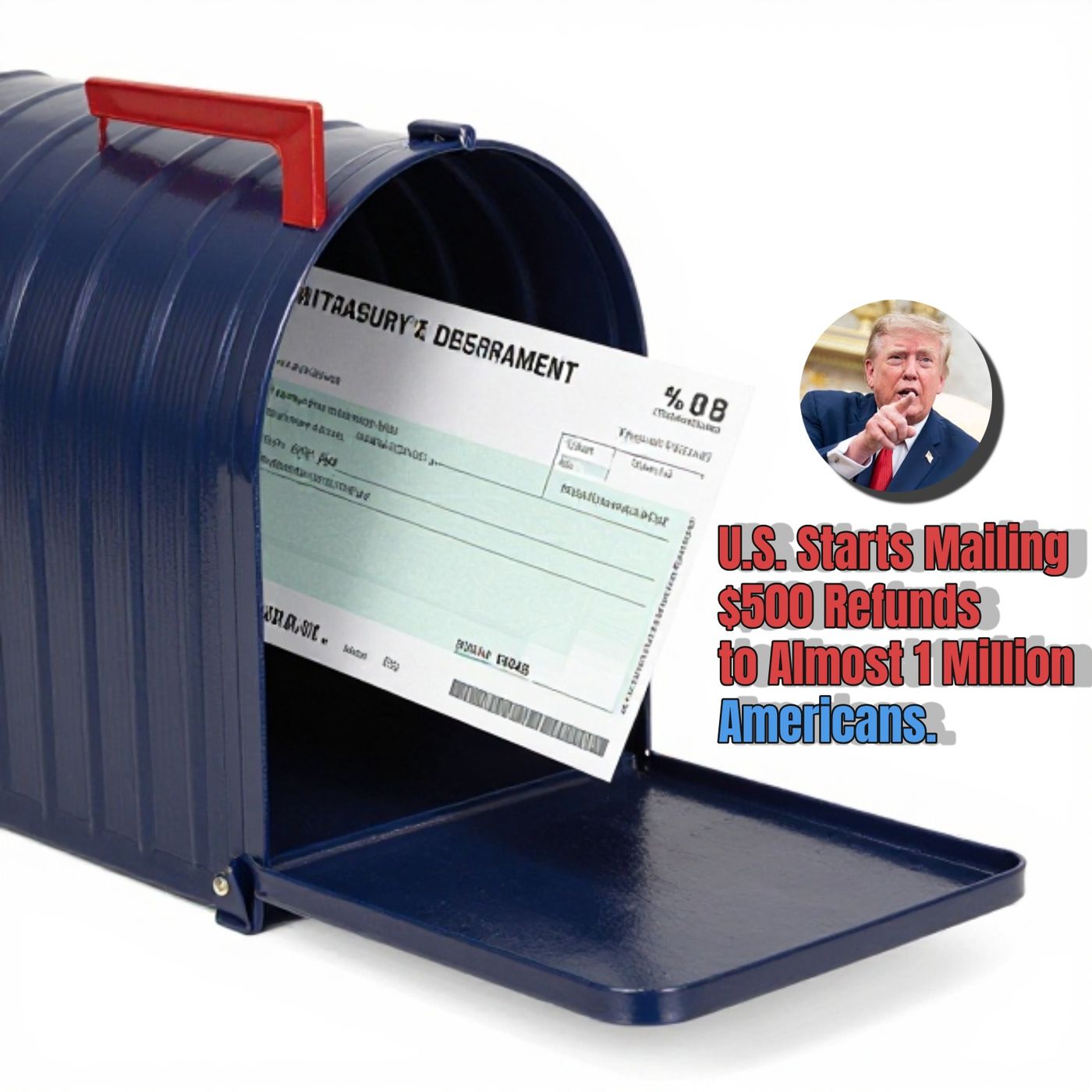
U.S. Starts Mailing $500 Refunds to Almost 1 Million Americans
Published 3 weeks, 5 days ago
Description
The Trump administration commenced distribution of $500 Treasury Department refund payments on September 30, 2026, to approximately 1 million Affordable Care Act enrollees.
According to The White House Fact Sheet, the administration had accumulated a $500 million surplus fund derived from excess user fees levied on insurance companies operating on the federal exchange, which were subsequently transferred to consumers through elevated premium costs.
Health policy experts consulted by journalists observed that although the $500 checks offer immediate financial relief, they address only a portion of the substantial premium increases that enrollees experienced following the expiration of COVID-era federal health insurance subsidies earlier in the year.
The refunds are being transmitted automatically to a designated subset of health insurance enrollees. Recipients residing in one of the 30 states that depend exclusively on the federal HealthCare.gov exchange marketplace rather than a state-administered exchange constitute the primary recipients.
Eligible enrollees are those who did not receive premium assistance subsidies and remitted full premiums. The majority of qualifying individuals earn in excess of 400% of the federal poverty line.
Eligible individuals will receive the funds automatically through physical mail or direct deposit. Households containing multiple qualifying members may receive more than one check. Checks are accompanied by a letter bearing President Trump's signature.
Nevertheless, certain commentators have characterized the initiative as a "political gimmick" strategically timed preceding the consequential midterm elections.
They contest the Trump administration's assertions that the Biden administration imposed excessive charges on citizens, contending that the distributed funds may have originated from fees collected during Trump's preceding term.
Critics further argue that the disbursements do not constitute a substantive, enduring approach to addressing the persistent escalation of healthcare premiums.
Organizations such as Protect Our Care, alongside various policy analysts, emphasize that five hundred dollars represents merely a modest portion of the substantial premium increases that middle-income households encounter as a consequence of lapsed federal tax credit provisions.In contrast, the Trump administration and its proponents characterize these payments as an essential remedy for governmental administrative deficiencies.