Episode Details
Back to Episodes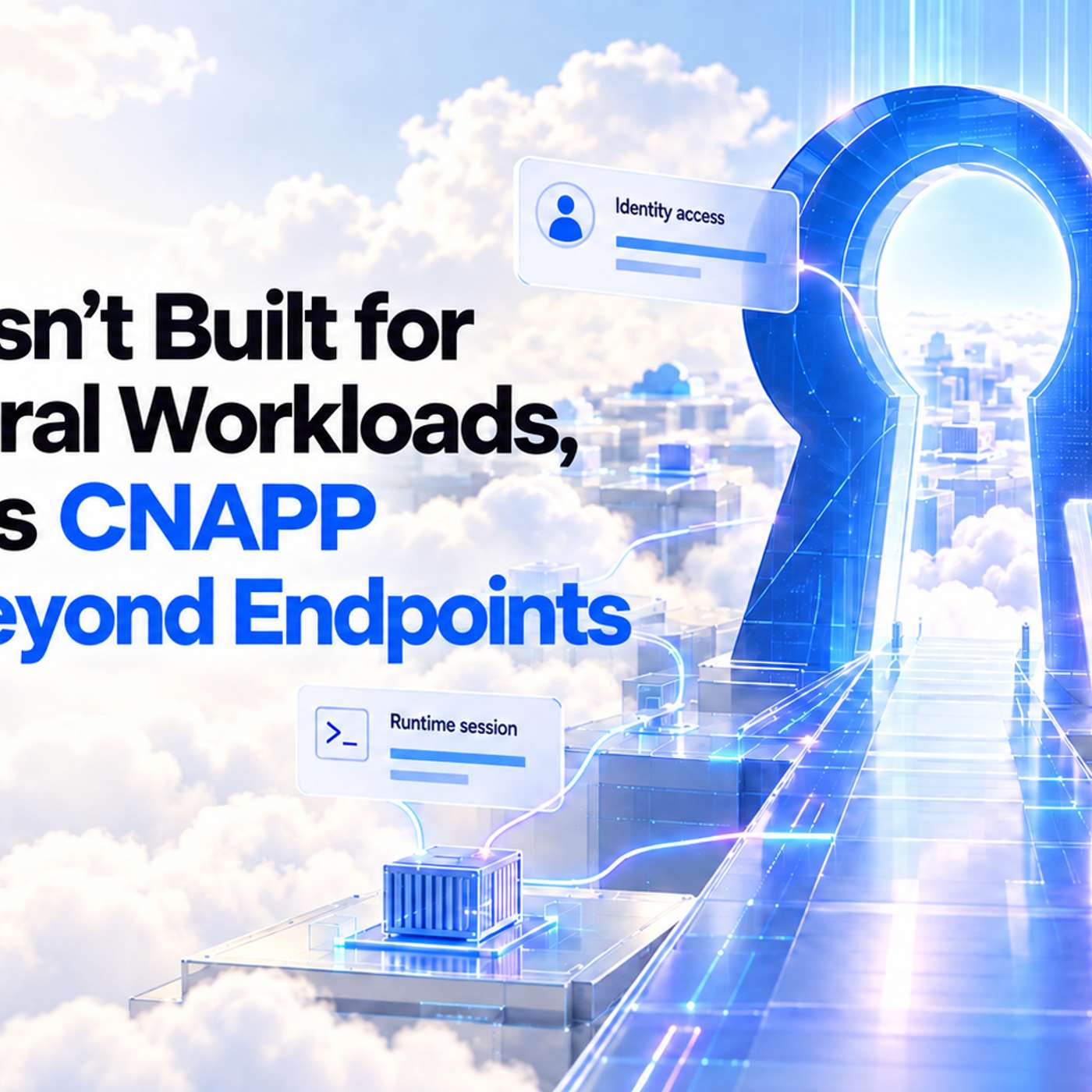
EDR Wasn’t Built for Ephemeral Workloads, but Wiz’s CNAPP Looks Beyond Endpoints
Description
This story was originally published on HackerNoon at: https://hackernoon.com/edr-wasnt-built-for-ephemeral-workloads-but-wizs-cnapp-looks-beyond-endpoints.
Why EDR struggles with ephemeral cloud workloads and how Wiz's CNAPP adds runtime context beyond endpoints.
Check more stories related to undefined at: https://hackernoon.com/c/undefined.
You can also check exclusive content about #wiz, #cloud-computing, #cybersecurity, #software-engineering, #technology, #good-company, #cloud-infrastructure, #digital-identity, and more.
This story was written by: @ishanpandey. Learn more about this writer by checking @ishanpandey's about page,
and for more stories, please visit hackernoon.com.
60% of containers now live for 60 seconds or less, which breaks the core assumption behind endpoint detection and response tools that a host stays put long enough to be watched.
Attacks have moved toward identity, with 82% of detections in 2025 involving no malware and valid account abuse behind 35% of cloud incidents.
Wiz, which Google acquired for $32 billion in March 2026, starts from the cloud itself through agentless scanning and adds runtime monitoring through the optional Wiz Sensor and Wiz Defend.
In one of every six environments Wiz monitors at runtime, adding live runtime signals surfaced a high or critical attack path that configuration-only analysis had missed.
CrowdStrike and Microsoft are extending their endpoint platforms into the cloud while Wiz extends its cloud platform into runtime, so the two approaches are converging from opposite directions.