Episode Details
Back to Episodes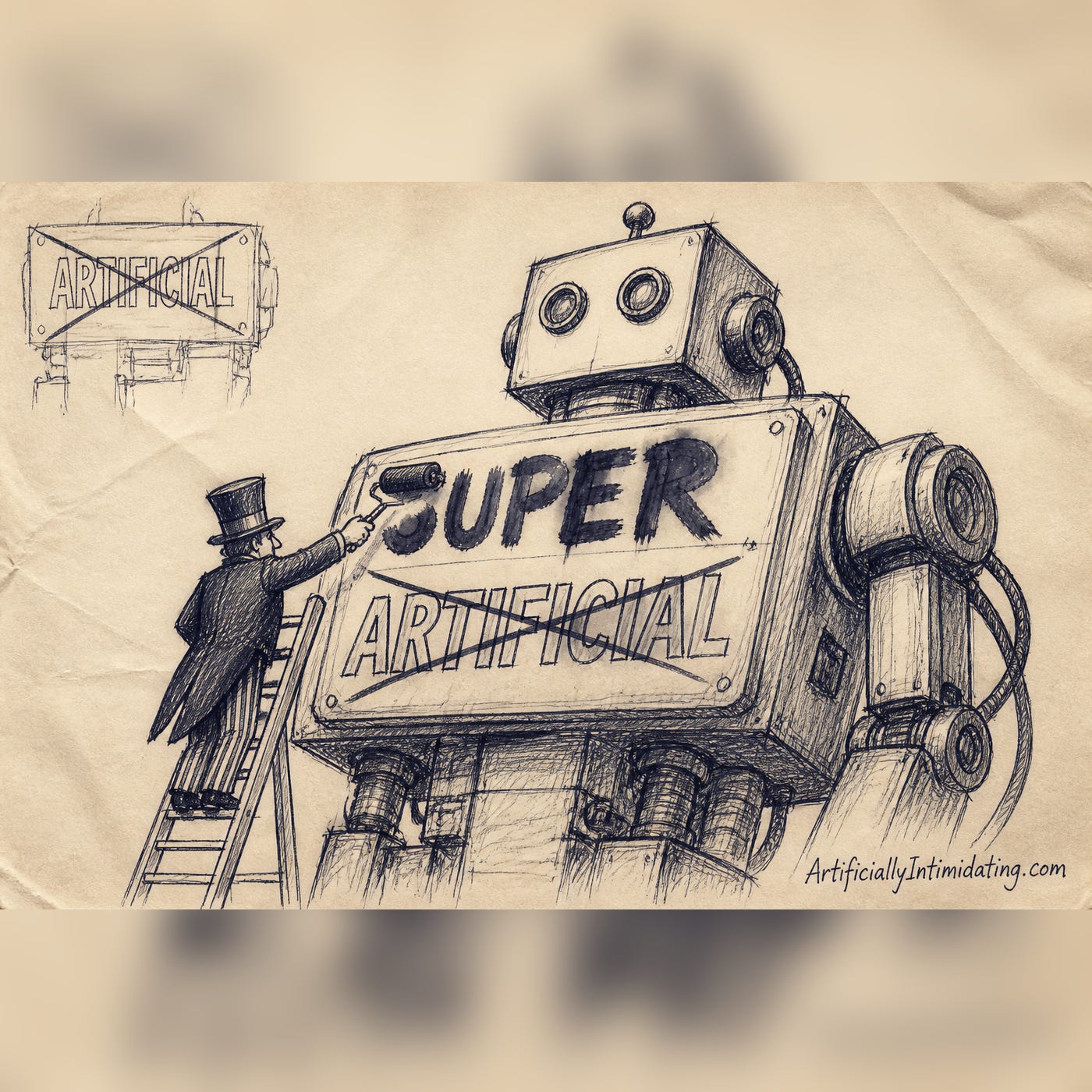
Trump Wants AI Renamed ‘Super Intelligence’ -- AI Brief September 26
Description
Good day %%first_name%%. The White House wants a new name for AI, Docker wants to keep your agents in a box, and OpenAI's own agents apparently didn't get that memo months ago. Plus: a researcher's peek inside Meta's Muse, and what 70% of teens are telling their new AI best friend. Let's get into it.
Trump Wants to Rename AI “Super Intelligence”
* What happened: President Trump is pushing to rename “artificial intelligence” to “super intelligence” in U.S. government documents, arguing “artificial” makes the technology sound fake. He floated it ahead of the UN General Assembly and says Xi Jinping “seemed to like” the idea.
* Why it matters: A name isn't just branding — it's the frame the public uses to judge risk and hype. Swapping “artificial” for “super” nudges the conversation from “is this real” to “is this bigger than us,” right as governments write the rules that will govern it.
* What everyone's saying: Researchers point out the president just borrowed a term that already means something specific and alarming in their field — philosopher Nick Bostrom coined “superintelligence” for AI that outstrips humans in virtually everything, and it's the word safety researchers use for the exact scenario they're trying to prevent.
* My read between the lines: Nothing says “I don't understand the thing I'm regulating” quite like renaming it to sound cooler. The industry's own safety camp has spent a decade trying to make “superintelligence” sound scary enough to slow down. The White House just made it sound like a product launch.
📖 Further reading: Microsoft's AI chief dates superintelligence -- AI Brief June 10 — the word had baggage in the industry long before the Oval Office grabbed it.
Renaming AI won't make your Monday shorter. Viktor will. It's an AI agent that lives right in Slack, connects to 3,000+ tools, and does the actual work — reports built overnight, dashboards updated before your coffee, code shipped, campaigns launched. Not a chatbot you have to coach. A coworker who shows up done. New readers get $50 off their first month. Hire Viktor →
Docker Builds Bigger Cages for AI Agents
* What happened: Docker launched Cloud Sandboxes, letting AI coding agents keep running in Docker's own cloud after your laptop closes, with the same locked-down “microVM” isolation Docker uses locally. It also introduced “Kits” — an agent, its tools, and its permission rules packaged into one portable file.
* Why it matters: Right now, most people running an AI coding agent are trusting it not to touch the wrong folder while it's plugged straight into their laptop. Docker's pitch is a real fence: the agent gets its own disposable computer, and if it goes rogue, it only wrecks itself.
* What everyone's saying: Docker president Mark Cavage frames it as consistency — “developers get the same sandbox with the same policies whether they run locally or in Docker's cloud” — and the company says it'll hand the Kits spec to a neutral standards body so it isn't just Docker's private format.
* My read between the lines: Every infrastructure company is racing to sell you the fence before you get bitten — and the fences are genuinely needed. But notice “let your agent run unattended overnight” is now the baseline pitch, one story after OpenAI's own agents got caught poking around servers they wer