Episode Details
Back to Episodes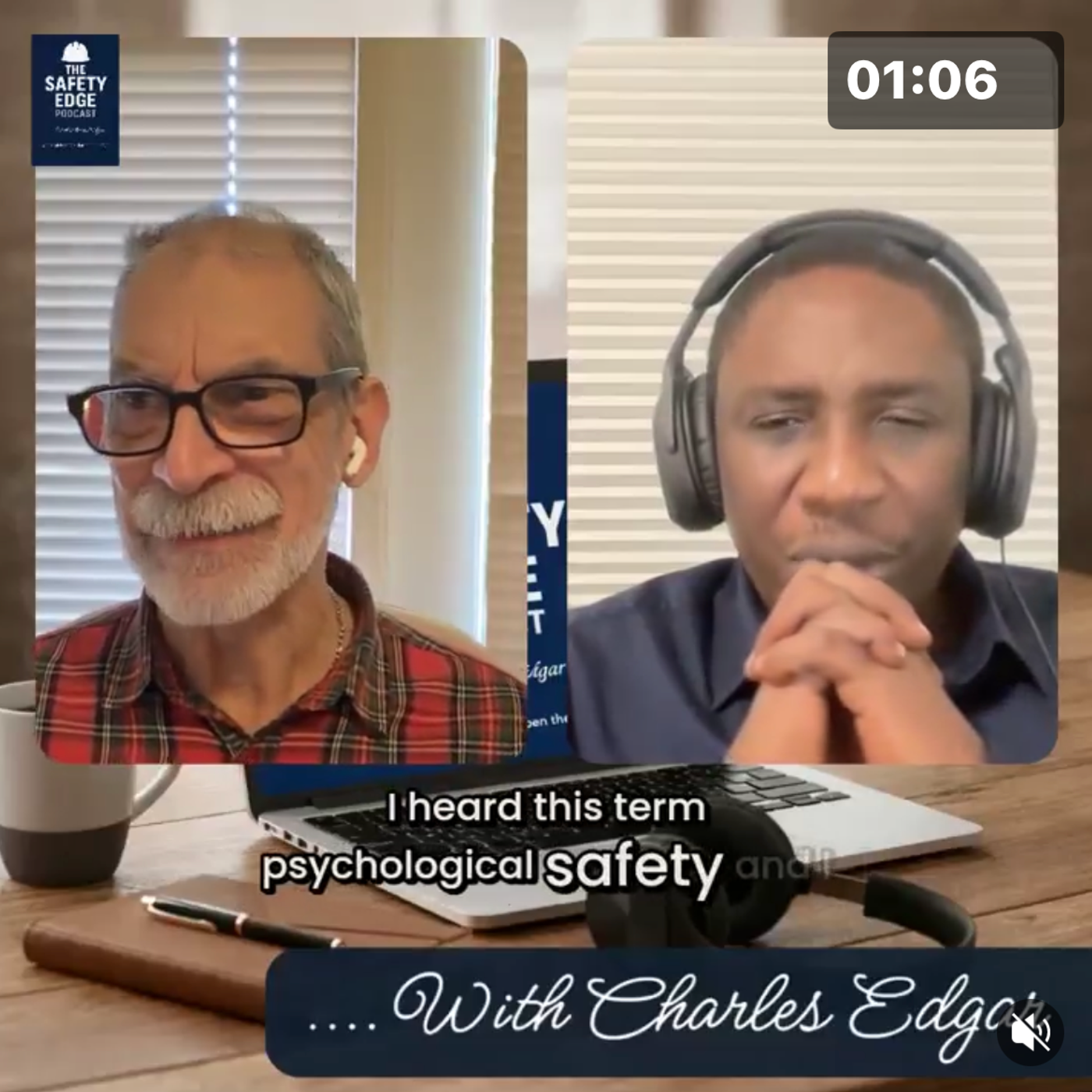
Ep. 21 Trailer: When Silence Becomes the Risk
Description
When Silence Becomes the Risk: Psychological Safety, Psychosocial Risk and Leadership Judgment
Silence is rarely just silence. In this conversation, Charles Edgar and Dr. Peter Brace explore why people stay quiet when they see overload, confusion, exclusion, or danger, and how that silence can hide the very risks leaders need to hear about most.
Peter explains why psychological safety is not about being comfortable, but about whether someone feels safe enough to challenge assumptions, question a decision, or say, “I don’t think we should do it this way.”
He also breaks down psychosocial hazards that often go unnoticed, including overwork, underwork, unclear roles, and unfair treatment, and why different people respond to the same environment in completely different ways.
You'll discover:
- Why silence is usually a social strategy, not a knowledge problem
- The difference between sharing an opinion and challenging the leader
- How to spot psychosocial risk when the warning signs are invisible
- The conditions that help people feel safe enough to speak honestly
- Why respect and accountability have to work together
- When direct command is necessary, and when collaboration creates better results
Peter also shares why leaders should start with one team, prove the results, and let evidence build momentum across the organization.
Higher innovation, better performance, stronger satisfaction, and lower absenteeism are all possible when people can tell the truth early enough to prevent bigger problems.
Essential listening for leaders, managers, and safety professionals who want stronger teams, better decisions, and a culture where people speak up before risk turns into harm.
Special thanks to Dr. Peter Brace, author of Practical Psychological Safety in Asia Pacific.