Episode Details
Back to Episodes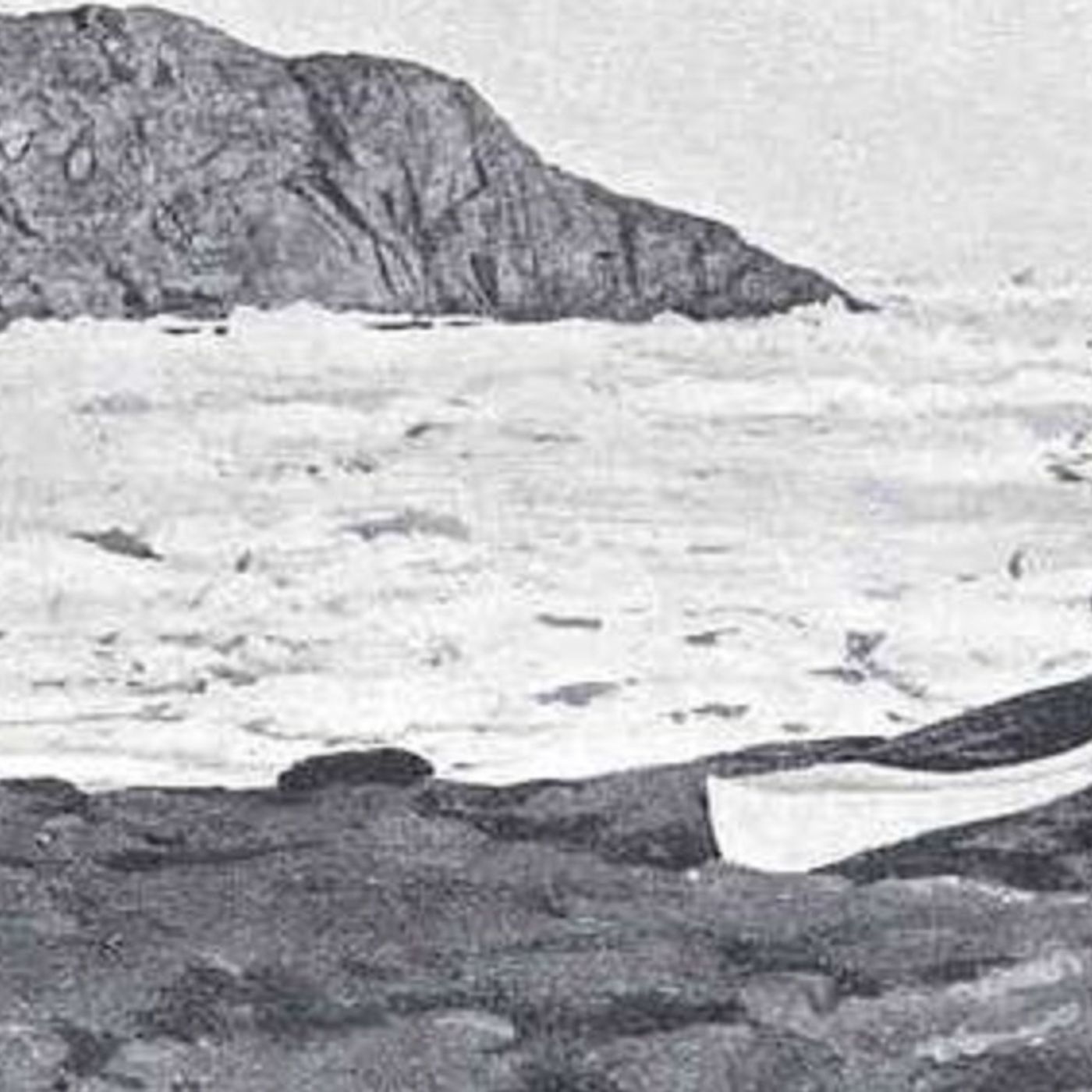
CONTENTS-JBS-9-24
Published 3 weeks ago
Description
1911 VOYAGE TO THE ARCTIC
CONTENTS JOHN BATCHELOR SHOW, 9-24-2026
Political Shifts Threaten European Stability
Anatol Lieven analyzes political instability in Germany following regional elections where right-wing Alternative for Germany (AfD) and radical left parties gained significant support. He explains that voter discontent stems from economic stagnation, high energy costs, decaying infrastructure, and migration concerns rather than Russiandisinformation. The rise of anti-establishment parties threatens to make German coalition governance increasingly impossible. Furthermore, energy vulnerability across Britain and continental Europe amplifies domestic instability, while potential American restrictions on diesel exports worsen European energy security. Lieven notes that these mounting domestic pressures may ultimately force European leaders to reconsider long-term financial and military commitments toward Ukraine. (1)
Middle East Standoff Threatens Security
Jonathan Schanzer evaluates the ongoing geopolitical conflict between the United States and Iran. He details how Tehran relies on Islamic Revolutionary Guard Corps asymmetric tactics and proxy groups to choke off vital maritime trade routes, aiming to strain the American economy and influence domestic US politics. Schanzer notes that Russia and China covertly support Iran's campaign to keep American military resources entangled abroad. Additionally, escalating Houthi attacks in Yemen threaten Saudi Arabian energy infrastructure and Red Sea shipping, while upcoming Israelielections will determine the trajectory of military operations in Gaza and regional strategy against hostile Iranian state proxy forces. (2)
Inconsistent Trade Policies Cause Confusion
Veronique de Rugy critiques the tariff strategies of Donald Trump's second presidential term, contrasting them with his earlier China-focused policies. She argues that recent tariff measures lack ideological coherence, misuse national security justifications, and penalize traditional democratic allies like Canada and European nations while granting temporary truces to China. De Rugy points out contradictions in revenue promises, explaining that protective tariffs suppress import volume needed to generate pledged public dividend payouts. Furthermore, she questions confusing national security exemptions, such as taxing semiconductor export revenue from China rather than enforcing complete bans, illustrating internal policy ambiguity in current trade strategy. (3)
US Policy Ignores Venezuelan Democracy
Mary Anastasia O'Grady criticizes the US administration's policy toward Venezuela following the arrest of Nicolás Maduro. She argues that Washington prioritizes short-term oil access and economic stability over genuine democratic legitimacy by backing interim leader Delcy Rodríguez while preventing opposition leader María Corina Machado from returning. O'Grady stresses that Rodríguez lacks democratic backing and continues operating a repressive police state complete with political prisoners and paramilitary enforcers. She asserts that granting non-transparent petroleum contracts to foreign firms without restoring constitutional governance undermines Venezuela's long-term institutional recovery, delays required free elections, and compromises democratic principles across the entire Latin American region. (4)
Orbital Data Centers Power AI
Joe Pistritto and David Livingston: Pistritto examines the technological feasibility and strategic benefits of placing massive AI data centers into low Earth and sun-synchronous orbits. He explains that orbital platforms offer uninterrupted solar energy, eliminate terrestrial water consumption, and avoid local political resistance. Utilizing heavy-lift rockets like SpaceX's Starship, commercial space companies plan to launch large satellite constellations weighing three tons each by the mid-2030s. While c