Episode Details
Back to Episodes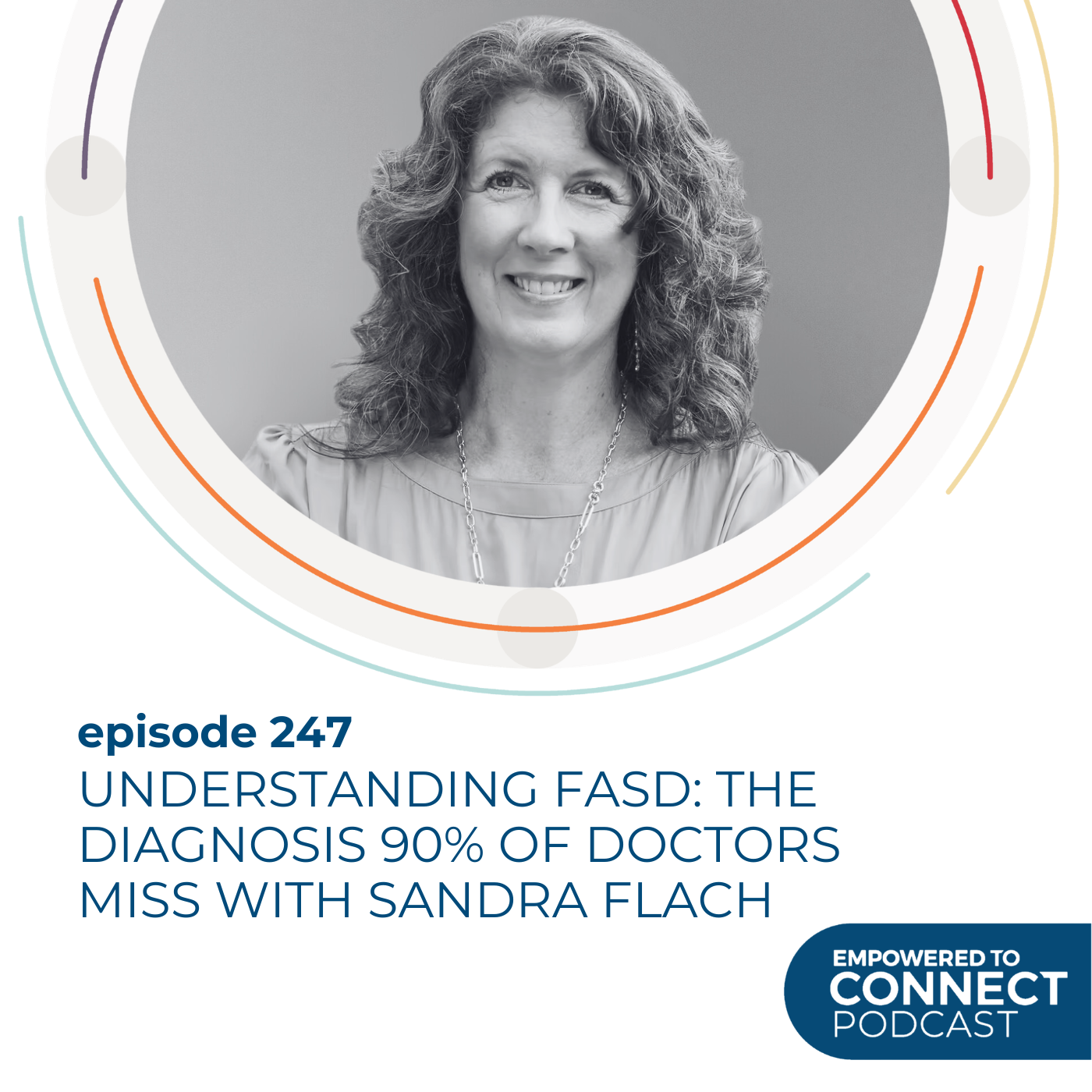
[E247] Understanding FASD: The Diagnosis 90% of Doctors Miss with Sandra Flach
Description
FASD specialist and adoptive mom Sandra Flach joins Jesse to break down fetal alcohol spectrum disorder: what it actually is, why it hides behind behavior nobody understands, and why it's one of the most common and least discussed disabilities in foster care and adoption. Sandra shares her own family's diagnosis journey and the accommodations-based approach that finally helped her understand her sons instead of just managing their behavior. It's a conversation for anyone parenting a child whose brain might be working differently than expected, diagnosed or not.
Sandra Flach is co-founder of Justice for Orphans and an adoptive and kinship parent of six. After her own sons were diagnosed with fetal alcohol syndrome, she became a national voice on FASD, offering training, coaching, and a peer support community for foster and adoptive families.
Website: Justice for Orphans: FASD Training & Support
Key Takeaways
-
FASD is far more common than most people realize (one in twenty people prenatally exposed to alcohol, up to seventy percent of kids in foster care), yet true diagnosis is rare because doctors are trained to look for facial features present in fewer than ten percent of cases.
-
FASD symptoms overlap heavily with trauma and can look like willful defiance, but the brain difference is real: what looks like "won't" is usually "can't," especially around executive function, auditory processing, and daily living skills.
-
The path forward is accommodation, not consequence: understanding a child's specific struggles (memory, impulse control, sensory processing) and adjusting expectations the same way we already do for visible disabilities.
Timestamped Outline
-
00:00 – Introduction: meet Sandra Flach, adoptive and kinship mom, FASD specialist and advocate
-
00:01 – FASD 101: how common it actually is, and why it's called an invisible disability
-
00:08 – Getting a diagnosis: who can diagnose FASD, and why so few doctors do
-
00:13 – Why the standard diagnostic criteria miss 90% of cases
-
00:19 – Not a straight line: the "scribble" and FASD's scattered developmental profile
-
00:28 – Why it's not that they won't, it's that they can't: executive function and the brain
-
00:36 – The neurobehavioral approach: accommodations instead of consequences
-
00:40 – "A child with brain damage": the reframe that changed how Sandra saw her sons
-
00:46 – Grief, interdependence, and redefining what success looks like
-
00:52 – Untangling shame, for parents, kids, and birth parents
-
01:03 – The long view: daily living skills, connection, and "not yet" instead of "never"
-
01:07 – Where to find Sandra: her support group, training, podcast, and a free gift
Resources Mentioned
Call to Action (CTA)
Listen Now
Love PodBriefly?
If you like Podbriefly.com, please consider donating to support the ongoing development.
Support Us