Episode Details
Back to Episodes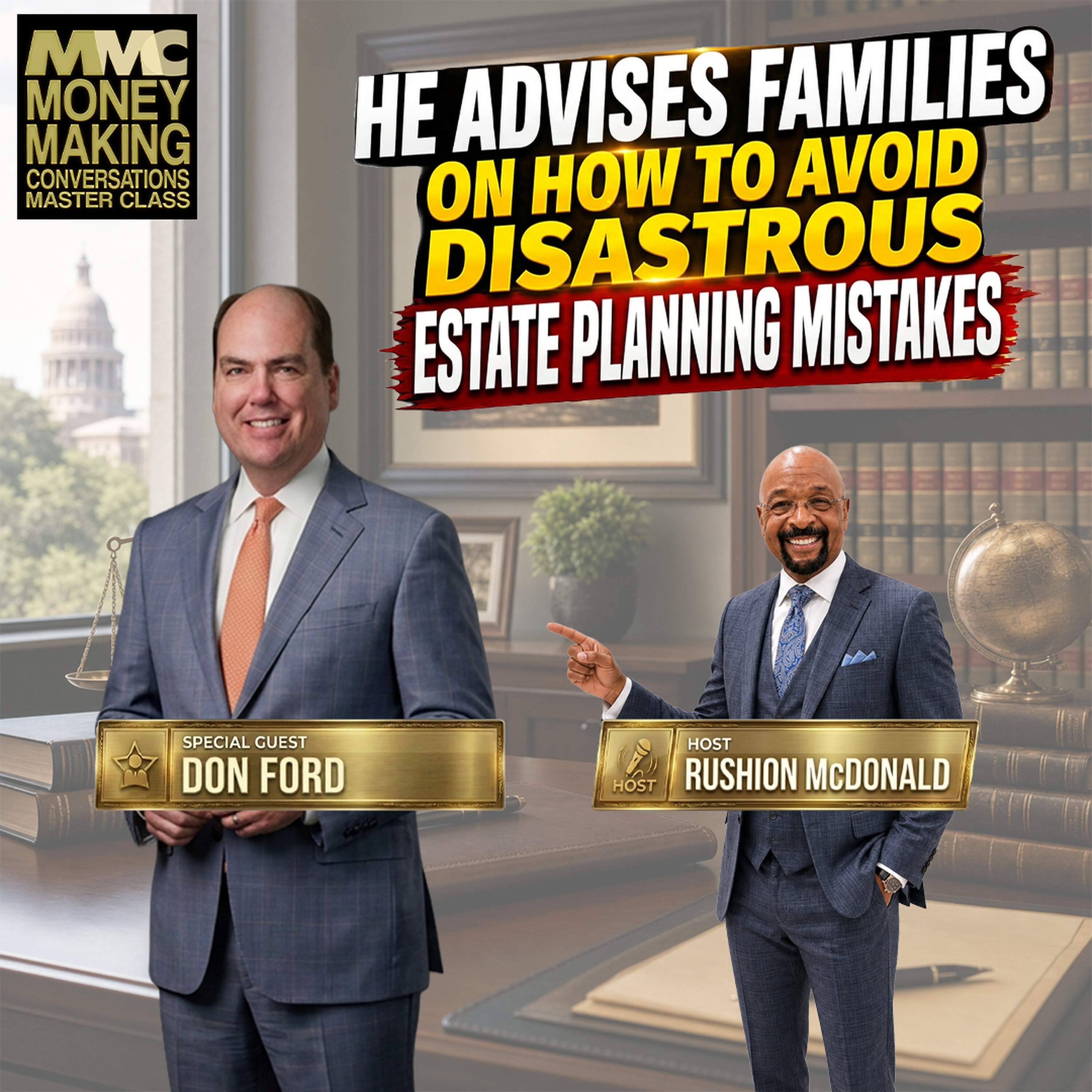
Money Talk: Don explains the differences between wills, trusts, probate, and powers of attorney.
Description
Listen and subscribe to Money Making Conversations on iHeartRadio, Apple Podcasts, Spotify, www.moneymakingconversations.com/subscribe/ or wherever you listen to podcasts. New Money Making Conversations episodes drop daily. I want to alert you, so you don’t miss out on expert analysis and insider perspectives from my guests who provide tips that can help you uplift the community, improve your financial planning, motivation, or advice on how to be a successful entrepreneur. Keep winning!
Two-time Emmy and Three-time NAACP Image Award-winning, television Executive Producer Rushion McDonald interviewed Don Ford.
A board-certified probate and estate attorney and managing partner of Ford Bergner LLP. The discussion centers on estate planning, wills, trusts, probate, executor responsibilities, and how families can protect both their assets and relationships through proper planning.
Ford shares practical insights from nearly 30 years of legal experience, explaining common mistakes families make when preparing for death or incapacity and the disputes that can arise when a clear estate plan is absent.
Purpose of the Interview
The interview was designed to:
- Educate listeners on the fundamentals of estate planning.
- Explain the differences between wills, trusts, probate, and powers of attorney.
- Encourage individuals and families to create estate plans before a crisis occurs.
- Highlight the risks of incomplete or poorly drafted legal documents.
- Show how thoughtful planning can reduce family conflict and preserve wealth across generations.
Key Takeaways 1. Estate Planning and Financial Planning Are Not the Same
While financial advisors focus on growing and managing wealth, estate planning focuses on what happens to assets after death or incapacity. Effective planning often requires collaboration between legal and financial professionals.
2. DIY Wills Can Create Serious Problems
Ford shared an example of a handwritten will that instructed one sister to "share" assets with her siblings but failed to specify how. The ambiguity led to litigation, family conflict, and lasting division.
3. Most Americans Are Unprepared
According to Ford, roughly two-thirds of Americans do not have a will. Common reasons include avoiding conversations about death, concerns about cost, and procrastination.
4. Estate Planning Is About Circumstances, Not Age
The need for an estate plan is determined more by life situation than age. Anyone who owns a home, has financial accounts, or has dependents should consider creating a plan.
5. Family Conflict Often Starts After a Death
Different family members grieve differently, and disagreements frequently emerge when there are no clear instructions regarding property, finances, or responsibilities. Clear planning reduces uncertainty and conflict.
6. Communication Matters
Many estate disputes begin because expectations were never discussed among family members. Open communication and documented wishes can help prevent misunderstandings.
7. Executors Have Legal Duties
An executor is responsible for managing and distributing estate assets fairly and transparently. They must account for finances, follow court procedures, and act in the best interests of beneficiaries.
8. A Trust Can Help Avoid Probate
Listen Now
Love PodBriefly?
If you like Podbriefly.com, please consider donating to support the ongoing development.
Support Us