Episode Details
Back to EpisodesHonda Fast-Tracks Next CR-V Hybrid After Canceling 3 EV Projects
Description
Hybrid Was The Way To Go After All
Honda Motor is shifting its North American product strategy by pulling forward the mass production of its next-generation hybrid vehicles by several months. The Japanese automaker now aims to start building an updated CR-V hybrid in North America as early as February 2027. This acceleration follows Honda’s decision to cancel three North American electric vehicle projects, including two flagship models originally scheduled for a 2026 release, creating a temporary void in its upcoming launch schedule.
To prevent buyers from defecting to rivals like Toyota and Hyundai, both of which are expanding their hybrid lineups, Honda is moving aggressively to fill the product gap. The strategy is backed by strong consumer demand in the region, where Honda’s U.S. sales rose 4% through August. That growth was primarily driven by a 9% increase in hybrid vehicle sales, bolstered in part by elevated gasoline prices linked to ongoing geopolitical instability in the Middle East.
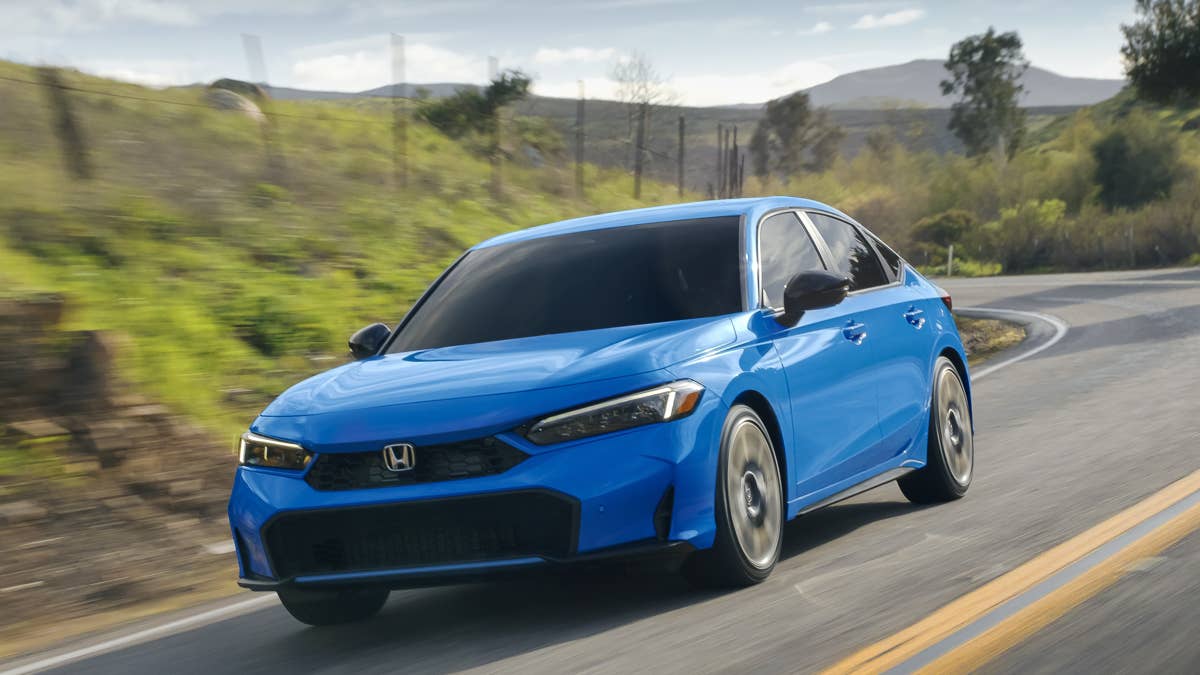
Expanding Hybrid Lineup
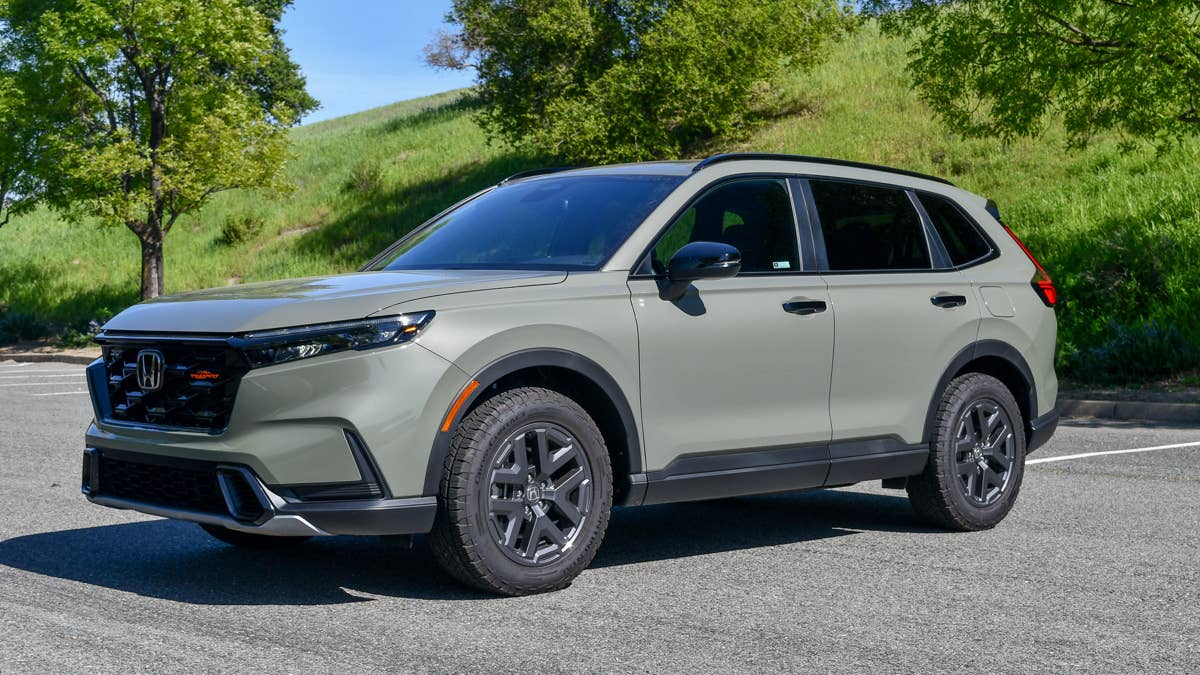
The updated CR-V will serve as the flagship for Honda’s new hybrid push. Moving up production from its initial timeline, assembly will begin in Ontario, Canada, in February 2027 before expanding to Indiana and Ohio the following month. Honda will also introduce a luxury Acura counterpart based on the CR-V architecture, omitting traditional internal-combustion variants and ensuring these best-selling models rely entirely on electrified powertrains.
Engineering improvements behind the next-generation system are expected to increase fuel efficiency by more than 10% while cutting manufacturing costs by over 30%. These financial and technical gains will support Honda’s broader roadmap to launch 15 new hybrid vehicles in North America by fiscal 2029, including a large three-row model measuring about 5 meters long. Global production will expand concurrently, featuring a new Avancier hybrid SUV produced in Thailand and China alongside an updated Vezel in Japan.
With its North American assembly plants running near maximum capacity, Honda is actively evaluating potential facility expansions. Sales momentum extends across the broader portfolio, with other hybrids growing rapidly alongside the core CR-V line. The automaker aims to triple its global hybrid output to 2.5 million units annually by 2030, balancing regional investments against evolving government regulations and long-term consumer demand.
Kristen Brown
What the Market Wants
Honda’s decision to double down on hybrid technology represents a pragmatic recalibration rather than a retreat. While full electrification remains the long-term destination, current market realities, including EV charging infrastructure friction and persistent economic headwinds, make hybrids the immediate sweet spot for North American drivers. Fast-tracking a high-margin, high-efficiency powertrain lets Honda maintain market share, protect dealership profitability, and fund its eventual EV transition on a far safer financial footing.

Listen Now
Love PodBriefly?
If you like Podbriefly.com, please consider donating to support the ongoing development.
Support Us