Episode Details
Back to EpisodesThe Fed Just Raised Rates, and Car Loans Are About to Get Pricier
Description
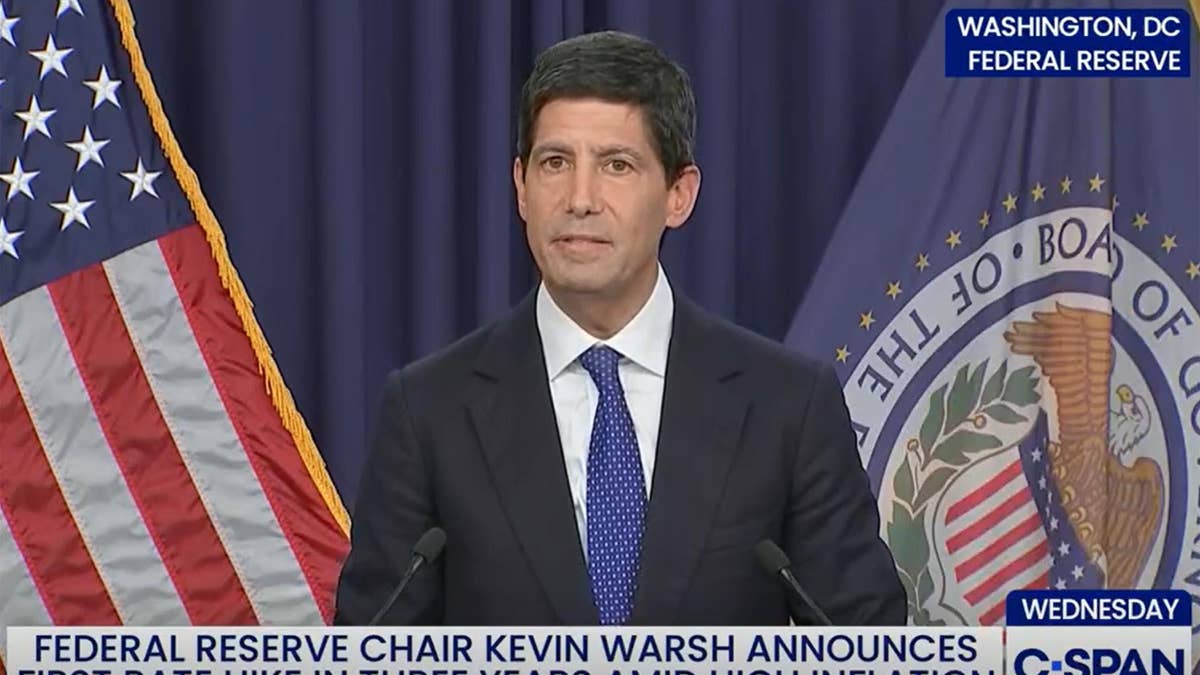
It might be only a quarter point but the Federal Reserve raised interest rates this week for the first time since 2023, and the hike is likely to hit car buyers in the pocketbook at a time when affordability is becoming a bigger issue than ever.
The move, which brings the benchmark interest rate to 4.00%, is expected to translate into an increase in what buyers can expect with new car loans. But it will also raise borrowing costs for automakers and that could translate into still more inflation at the showroom where vehicle prices have reached new records.
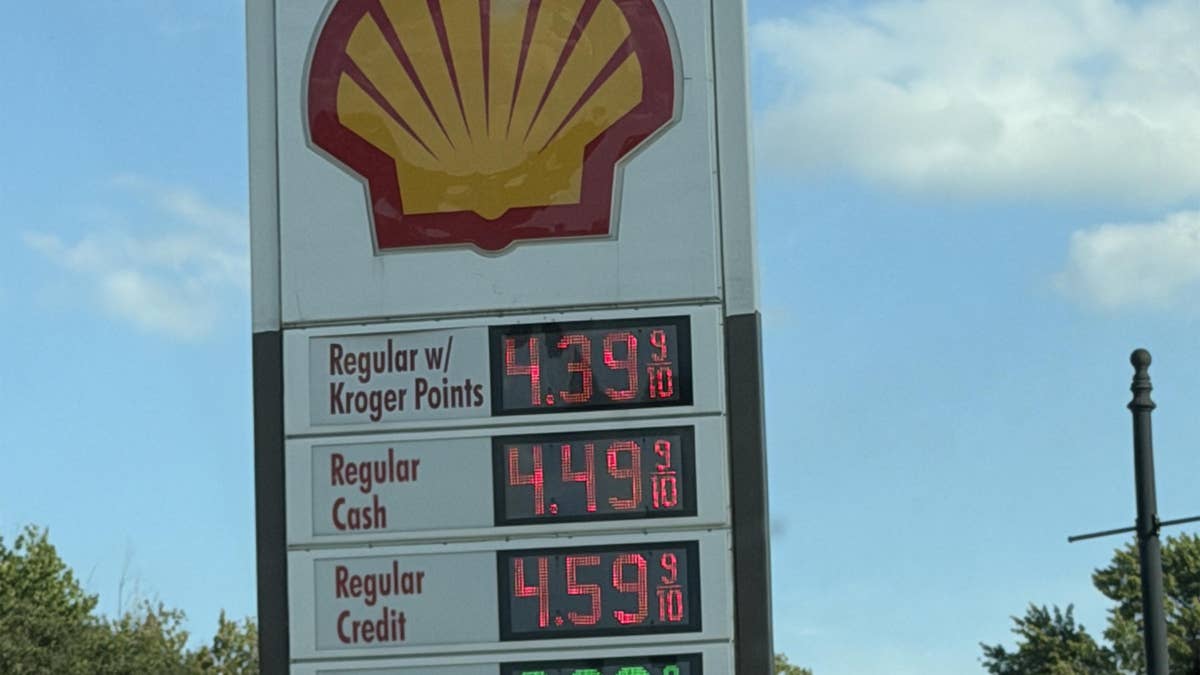
Add the higher cost of gas motorists are paying due to disruptions in petroleum supplies caused by the Iran War and analysts warn millions of potential buyers may be forced out of the new vehicle market.
Mounting Misery
To be clear, the president doesn’t set federal interest rates, though he clearly thought he would have a strong say in the matter when appointing Kevin Warsh to be the new Federal Reserve Chairman. Warsh soon began signaling more independence than Trump apparently anticipated, however. That led the president earlier this month to warn he might respond to any rate hike by cutting trade with countries where the U.S. runs a trade deficit.
Whether Trump will follow through is far from certain, but what’s clear is that his policies are seen as having an increasingly negative impact on the auto industry. As with interest rates, he can’t be blamed for all of the industry’s problems. In the decade before he took office for a second term the car market was hammered by inflation, average transaction prices – factoring in MSRPs, options and discounts – jumped from $33,993 in January 2015 to $48,641 when Trump was sworn in. But since then, Kelley Blue Book reports, ATPs have surged to $50,089 and are expected to keep climbing.
“I can’t say the sky is falling but the pressures on affordability are not easing up,” said Stephanie Brinley, associate director at Mobility Global, when asked about the Fed rate hike.
Auto Loans on the Line
Even before the new Fed rate hike automotive interest rates stood at a challenging 6.35% APR for new vehicles, up from a low of 4.1% in 2015. (Used vehicle customers could expect a rate of 11.26% — if they had good credit.) The typical new vehicle buyer is now saddled with financing of $43,920, reports Experian, that debt stretched out over an average 60 months. The average monthly car loan is $748, said Experian, though 20.3% of customers now pay over $1,000 a month. And fully 23.9% of new vehicle loans now are stretched out for 96 months or more.
Expect to see all those figures increase – perhaps substantially – in the very near future. “Auto loan rates tend to track the 10-year Treasury notes and longer-term market rates, and those have been moving higher lately,” Jeremy Robb, chief economist at Cox Automotive, wrote in a recent report. The Fed rate hike is about to provide even more upward momentum, however, Robb warning in a report that buyers could soon see the average loan bill rise by $6 a month. And that doesn’t factor in further increases in the actual vehicle price.